
How to Fix a Water Bubble on Walls in Frisco Tx (Step-by-Step Guide)
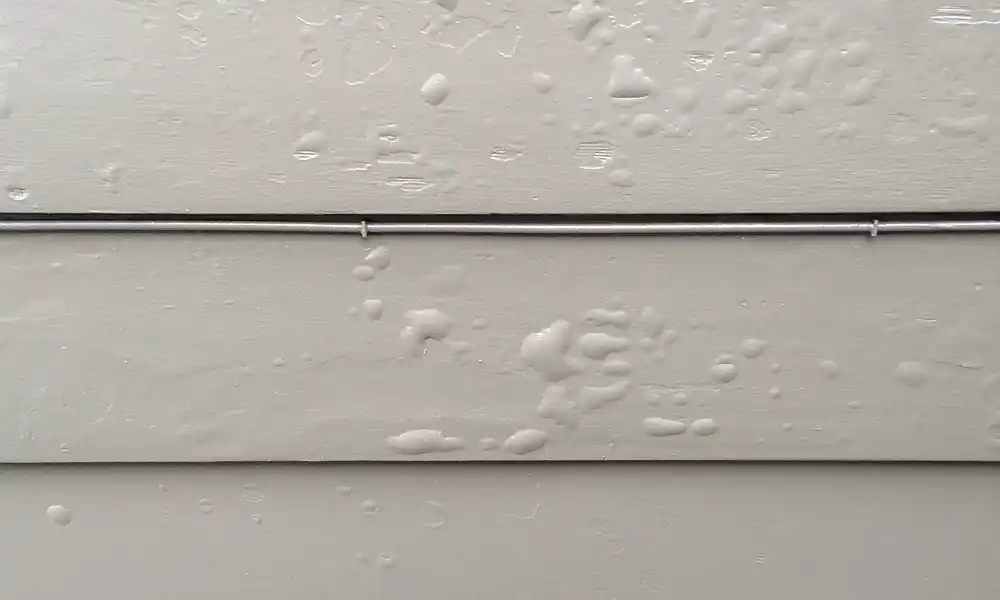
Water bubbles on walls usually start when moisture gets trapped under the paint. In many homes, this happens because of hidden leaks from plumbing or roofing. When water sits behind the surface, it slowly pushes the paint outward, which creates a raised bubble.
Another common reason is high humidity inside the house. For example, areas like bathrooms and kitchens often collect moisture in the air. Over time, this moisture sticks to the walls and weakens the paint layer, which leads to blistering.
Poor sealing also plays a big role in this problem. If walls are not properly sealed or waterproofed, outside water can seep in. As a result, the paint loses its grip, and bubbles start to form on the surface.
Signs of Water Damage You Shouldn’t Ignore
One of the first signs you will notice is bubbling or peeling paint. At first, the damage may look small, but it often spreads if ignored. So, it is important to act early before the problem gets worse.
Discoloration is another clear warning sign. You may see yellow or brown stains forming on the wall, which often means water is sitting behind it. In many cases, these stains grow larger over time.
You might also notice a musty smell in the room. This smell often points to mold growth, which can develop in damp areas. If the wall feels soft when touched, then the damage has likely reached deeper layers.
Step 1 – Identify and Stop the Water Source
Before fixing anything, you need to find where the water is coming from. This could be a leaking pipe, a damaged roof, or even cracks in external walls. Until the source is fixed, the problem will keep coming back.
Start by checking nearby plumbing and ceilings for leaks. If the issue is outside, inspect the walls for gaps or damaged areas. Fixing these problems early will save time and effort later.
This step matters more than any repair work. If you skip it, the bubble will return even after you fix the wall. So, always stop the water first before moving forward.
Step 2 – Dry the Affected Area Completely
Once the leak is fixed, the next step is to dry the area fully. You can let it air dry, but this may take a long time. Instead, using fans or dehumidifiers can speed up the process.
Proper drying helps prevent further damage. If moisture stays trapped inside, it can weaken the wall again. So, take your time and make sure the area feels completely dry.
In most cases, drying can take a few hours to a couple of days. The exact time depends on how much water was present. However, do not rush this step, as it affects the final result.
Step 3 – Remove the Damaged Paint or Drywall
After drying, you need to remove the damaged parts of the wall. Start by scraping off the bubbling or peeling paint using a putty knife. This helps expose the surface underneath.
If the drywall is badly damaged, you may need to cut it out. Use simple tools and remove only the weak sections. This will give you a clean base for repairs.
Always wear safety gear during this step. Dust and debris can irritate your eyes and lungs. So, using gloves and a mask can keep you safe while working.
Step 4 – Repair and Smooth the Surface
Now it is time to fix the surface. Apply a filler or joint compound to the damaged area. This helps cover gaps and makes the wall even again.
Once the filler dries, sanding becomes important. Use sandpaper to smooth out the surface so it blends with the rest of the wall. A smooth finish will make painting easier later.
Take your time during this step. Rushing can leave bumps or uneven spots. So, check the surface carefully before moving to the next stage.
Step 5 – Prime and Repaint the Wall
Before painting, you should always apply a primer. A good stain-blocking primer helps cover marks and prevents future damage. It also helps the paint stick better.
Next, choose the right type of paint for your wall. For example, moisture-resistant paint works well in humid areas. This adds extra protection against future problems.
While painting, use even strokes for a clean finish. Apply more than one coat if needed. This will give your wall a fresh and smooth look.
Preventing Water Bubbles in the Future
Prevention starts with good ventilation. Keep air moving in rooms where moisture builds up. Using exhaust fans in bathrooms and kitchens can help reduce humidity.
Waterproofing your walls is also a smart step. Seal cracks and apply protective coatings where needed. This keeps outside water from entering your home.
Regular checks can save you from bigger problems. Inspect your walls, pipes, and roof from time to time. Early action can stop small issues from turning into major damage.
When Should You Call a Professional?
Sometimes, the damage is too large to handle alone. If you see big or repeated bubbles, it may need expert attention. Professionals can find hidden issues that are not easy to spot.
Structural damage is another serious concern. If the wall feels weak or unstable, do not try to fix it yourself. Instead, get help to avoid further risk.
Mold growth is also a warning sign. It can affect your health if left untreated. In such cases, a trained expert can safely remove it and repair the damage.
FAQs About Water Bubbles on Walls
Can I paint over a water bubble?
No, painting over a bubble will not fix the issue. The trapped moisture will still be there, and the paint will peel again. So, it is better to repair the damage first.
How long does it take to fix a wall bubble?
The process can take one to three days. Drying time plays a big role in this. However, proper repair ensures better results.
Will water bubbles go away on their own?
No, they usually do not disappear by themselves. In fact, they often get worse over time. So, fixing the root cause is important.
Is bubbling paint always caused by water?
Not always, but water is the most common cause. Heat or poor paint application can also lead to bubbling. Still, checking for moisture is always a good first step.