
How to Prevent Pipes from Freezing in Frisco Tx (and What to Do If They Do)
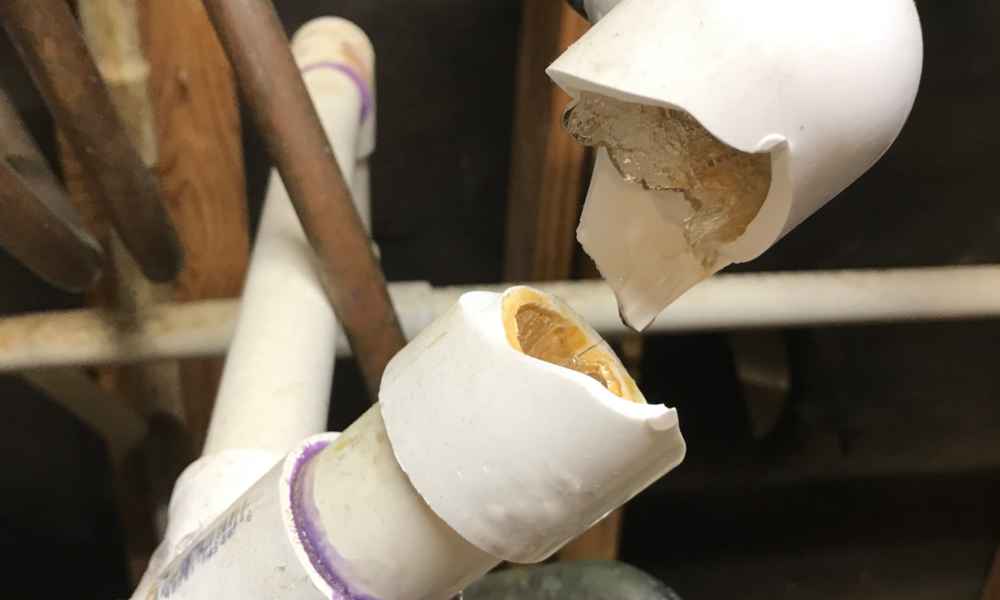
Water inside pipes can freeze when the temperature drops too low. As a result, the water turns into ice and expands. This pressure builds inside the pipe and can lead to cracks. Over time, even a small crack can turn into a serious leak.
In most homes, pipes start to freeze when the temperature falls below 32°F or 0°C. However, risk increases quickly when it drops below 20°F. Pipes in colder spots freeze faster than others. That is why location inside your home matters a lot.
Frozen pipes are a problem because they can burst without warning. When the ice melts, water rushes through the broken section. This can flood walls, floors, and ceilings. In many cases, the damage costs more than simple repairs.
Which Pipes Are Most at Risk
Some pipes freeze faster because they sit in colder areas. Outdoor pipes and garden hoses are the first to be affected. Since they are exposed, they lose heat quickly. That makes them very easy to freeze during winter.
Pipes in uninsulated spaces also face high risk. Areas like attics, basements, and garages often lack proper heating. Because of this, cold air surrounds the pipes for long periods. As a result, freezing becomes more likely.
Pipes along exterior walls are another concern. These walls are closer to outdoor temperatures. Even if your home feels warm, these spots can still be cold. So, pipes in these areas need extra attention.
Simple Ways to Prevent Pipes from Freezing
Keeping your home warm is one of the easiest ways to stop freezing. Set your thermostat to a steady temperature day and night. Even when you are away, avoid turning the heat off. This helps maintain a safe environment for your pipes.
Letting faucets drip during very cold nights can also help. Moving water is less likely to freeze. Even a small trickle can reduce pressure inside the pipes. This simple step can prevent a major problem.
Opening cabinet doors under sinks allows warm air to move around pipes. This works well in kitchens and bathrooms. In addition, sealing cracks and gaps keeps cold air out. Disconnecting outdoor hoses also protects your plumbing system.
Extra Precautions During Very Cold Weather
During a cold wave, it is important to act early. Check weather updates and prepare your home in advance. Small actions taken early can prevent big repairs later. So, staying alert makes a real difference.
Before leaving home, keep the heat running at a safe level. Ask someone to check your house if you will be gone for long. This ensures any issue gets noticed quickly. It also lowers the risk of hidden damage.
Power outages can make things worse. Without heat, pipes freeze much faster. In such cases, using safe heating methods like space heaters can help. However, always keep them away from flammable items.
How to Prevent Pipes from Freezing Without Heat
If heat is not available, draining your water system is a smart step. Turn off the main water supply and empty the pipes. This removes the water that could freeze inside. As a result, there is nothing left to expand and cause damage.
Using insulation can also protect pipes in cold spaces. Foam sleeves or pipe wraps add a layer of protection. They slow down heat loss and keep pipes warmer for longer. This method works well in garages and basements.
Letting water trickle through pipes can also help. Even without heat, moving water resists freezing. Focus on pipes in colder areas of the home. This simple habit can reduce the chances of freezing.
What to Do If Your Pipes Freeze
Frozen pipes often show clear signs. You may notice little or no water coming from a faucet. In some cases, frost appears on the pipe surface. These signs should not be ignored.
As soon as you suspect a frozen pipe, act quickly. Turn on the faucet connected to that pipe. This helps relieve pressure inside the system. It also allows water to flow once the ice starts melting.
Avoid using open flames or sharp tools. These can damage the pipe or cause injury. Instead, stay calm and take safe steps. Acting carefully can prevent the situation from getting worse.
How to Safely Thaw Frozen Pipes
There are safe ways to thaw frozen pipes at home. A hair dryer or warm towels can slowly heat the pipe. Start from the faucet end and move backward. This helps water flow out as ice melts.
Electric heating pads can also be used. They provide steady heat without causing damage. Always keep the heat source moving. This prevents overheating in one spot.
Open flames are dangerous and should never be used. They can weaken the pipe or start a fire. If the frozen area is hard to reach, call a professional. A plumber has the right tools to handle the situation safely.
What Happens If a Pipe Bursts
A burst pipe can release a large amount of water quickly. The first step is to turn off the main water supply. This stops the flow and limits damage. Acting fast is very important in this situation.
After that, remove any standing water if possible. Dry the area to prevent mold growth. Opening windows and using fans can help speed up drying. Quick action reduces long-term issues.
You should contact a plumber as soon as possible. They can repair or replace the damaged pipe. In some cases, professional help is the safest option. This ensures the problem is fixed properly.
Final Tips to Protect Your Home from Winter Pipe Damage
Preventing frozen pipes starts with simple daily habits. Keep your home warm, seal gaps, and check vulnerable areas. These small steps work together to protect your plumbing. Consistency is key during winter.
It also helps to prepare before the cold season begins. Inspect pipes and add insulation where needed. Early action reduces stress when temperatures drop. So, planning ahead always pays off.
In the end, staying aware makes the biggest difference. Watch for warning signs and act quickly when needed. This keeps your home safe and dry. A little effort now can save you from major trouble later.