
How to Prevent Mold After Water Damage in Frisco Tx
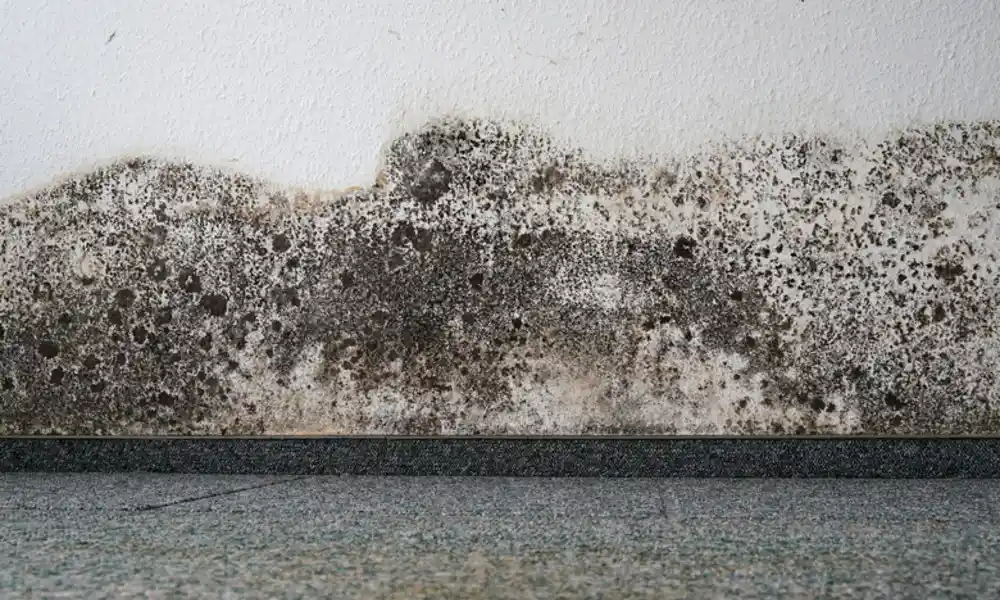
Mold does not take long to appear after water damage. In many homes, it can start forming within one to two days. Because of this, even a small delay can lead to bigger problems.
Moisture creates the right environment for mold spores to settle and grow. Once surfaces stay damp, mold begins spreading across walls, floors, and furniture. This process happens quietly but quickly.
So, timing matters a lot. Acting early reduces the chances of mold taking hold. A fast response often saves both time and repair costs.
Common causes of moisture buildup indoors
Moisture inside a home often comes from leaks or poor airflow. For instance, damaged pipes, roof gaps, or loose window seals allow water to enter. Over time, this trapped moisture creates a problem.
Humidity also adds to the issue. When the air stays damp, it supports mold growth. This is why areas like bathrooms and basements are more affected.
In addition, everyday tasks increase indoor moisture. Cooking, bathing, and drying clothes indoors release water into the air. Without ventilation, this moisture builds up.
Signs of Mold After Water Damage
Visible and hidden mold indicators
Mold can sometimes be seen right away. It often appears as dark or green patches on walls, ceilings, or corners. These spots usually show up in damp areas.
At the same time, mold may stay hidden. It can grow behind walls, under flooring, or inside cabinets. In such cases, you might notice peeling paint or swelling surfaces.
So, visual checks alone are not enough. Looking into hidden spaces helps catch the issue early.
Musty odors and air quality changes
A musty smell is a strong sign of mold. Even if nothing is visible, the odor suggests moisture problems. This smell often becomes stronger with time.
You may also feel a change in the air. Rooms can feel heavy or slightly damp, which makes them uncomfortable. This can happen even with small mold growth.
Because of this, paying attention to smell and air quality helps detect hidden mold sooner.
Immediate Steps to Take After Water Damage
Remove standing water as soon as possible
Start by removing all standing water quickly. Tools like pumps or wet vacuums can help speed up the process. The sooner water is removed, the better.
Even shallow water can cause damage. It can seep into floors and walls if left for too long. So, do not overlook smaller areas.
After removing water, check nearby surfaces. Moisture often spreads beyond the visible area.
Dry affected areas within 24–48 hours
Drying the space is the next step. Open windows and use fans to move air around. This helps reduce moisture faster.
Dehumidifiers are also helpful. They pull excess moisture from the air and keep humidity low. This limits the chances of mold forming.
Make sure to dry hidden areas as well. Spaces under furniture or rugs may stay damp longer.
Discard water-damaged materials
Some items cannot be saved after water exposure. Materials like soaked carpets and insulation tend to hold moisture. Keeping them increases the risk of mold.
Removing these items may seem difficult, but it prevents future issues. Damp materials can spread mold to other parts of the home.
Check each item carefully. If it remains wet or smells unpleasant, it is better to remove it.
Practical Tips to Prevent Mold Growth
Improve ventilation in damp areas
Airflow plays a big role in moisture control. Opening windows and using exhaust fans helps remove damp air. This keeps the space drier.
Closed rooms trap humidity easily. Regular ventilation helps prevent that buildup. Fresh air supports faster drying.
Simple habits also help. For example, leaving the bathroom door open after use improves airflow.
Use dehumidifiers to control humidity
Dehumidifiers help manage indoor moisture levels. They reduce humidity and make conditions less suitable for mold. This is useful in damp spaces.
Place them in areas that stay humid, such as basements. These spots often need extra drying support.
Keep track of humidity levels as well. Lower humidity means less chance for mold growth.
Clean and disinfect all surfaces
Cleaning removes dirt and possible mold spores. Wiping surfaces with proper solutions helps maintain hygiene. This step lowers the risk of growth.
Disinfecting adds extra protection. It helps deal with any remaining spores on surfaces. So, both steps work together.
Regular cleaning after water exposure helps keep areas safe over time.
Fix leaks in roofs, windows, and plumbing
Leaks are a major source of moisture problems. Even small drips can lead to long-term damage. Fixing them early is important.
Check common problem areas like pipes and window frames. Early repairs stop water from entering your home.
Do not ignore minor leaks. They often turn into bigger issues if left untreated.
Pay special attention to carpets and insulation
Carpets absorb water quickly and hold it for a long time. Once soaked, they become difficult to dry fully. This makes them a risk for mold.
Insulation behaves in a similar way. When wet, it traps moisture and loses its purpose. Replacing it is often the safer choice.
Regular checks help spot these issues early. Focus on areas that feel damp or smell unusual.
Areas Most Prone to Mold Growth
Bathrooms, basements, and kitchens
Some areas face higher moisture levels than others. Bathrooms and kitchens deal with water daily. Without proper care, they can become problem spots.
Basements often stay damp due to limited airflow. This makes them a common place for mold growth.
These areas need extra attention. Regular cleaning and ventilation help keep them dry.
Behind walls and under flooring
Hidden spaces can hold moisture without clear signs. Mold can grow behind walls or under floors unnoticed. This makes early detection harder.
Water trapped inside structures spreads slowly. Over time, it weakens materials and supports mold growth.
Checking these areas when possible helps prevent long-term damage. Early action reduces bigger risks.
Health Risks Associated with Mold Exposure
Common symptoms and allergic reactions
Mold can affect health in several ways. Many people experience sneezing, coughing, or eye irritation. These signs often appear after exposure.
Some may also face skin irritation. Sensitive individuals may react more strongly to mold.
Children and older adults may feel the effects more. Keeping indoor air clean helps reduce these risks.
When mold becomes a serious concern
Mold becomes more serious when it spreads widely. Larger growth affects both the home and indoor air. At that stage, simple cleaning may not work.
Long exposure can lead to breathing problems. This is especially important for people with asthma.
If the issue grows, professional help may be needed. Early control always reduces the impact.
What to Do If Mold Has Already Started Growing
Small-scale cleaning and DIY removal
Small patches of mold can be cleaned at home. Use proper cleaning solutions and basic safety gear. This helps remove mold safely.
After cleaning, make sure the area is fully dry. Remaining dampness can lead to mold growing back.
Keep the space ventilated during and after cleaning. Airflow supports better results.
When to call a professional remediation service
Small areas affected by mold can be safely handled with home cleaning methods. Professionals have the tools to handle wider damage. They also know how to treat hidden areas.
If mold spreads across walls or ceilings, it is better to seek help. Experts can remove it completely and prevent return.
Delaying action can make things worse. Timely help protects both your home and health.
Long-Term Mold Prevention Strategies
Regular home inspections
Routine checks help spot problems early. Look for damp areas, leaks, or unusual smells. Early detection makes prevention easier.
Make inspections part of your routine. Even simple checks can prevent larger issues.
Pay attention to areas that often stay moist. These spots need regular monitoring.
Moisture control and maintenance habits
Simple habits help control indoor moisture. Wiping wet surfaces and fixing small leaks quickly makes a difference. These steps reduce the risk of mold.
Keeping your home clean and dry is important. Consistent care helps avoid future problems.
Monitoring humidity also helps. Balanced indoor air supports a healthy space.
Upgrading drainage and ventilation systems
Improved systems help manage water better. Effective drainage systems help direct water away from your house. This reduces the chance of damage.
Ventilation systems help remove moisture from indoor air. They support better airflow and reduce dampness.
Investing in these improvements helps long term. It keeps your home safer from mold.
Conclusion
Mold after water damage can be avoided with the right steps. Quick action, proper drying, and regular checks help reduce the risk. Small efforts can prevent bigger problems.
Keeping moisture under control is key. Fix issues early and maintain good airflow in your home.
In the end, acting without delay makes the biggest difference. Early response keeps your home safe and healthy.