
Storm Flooding in DFW: Causes, Risks, and What Homeowners Can Do
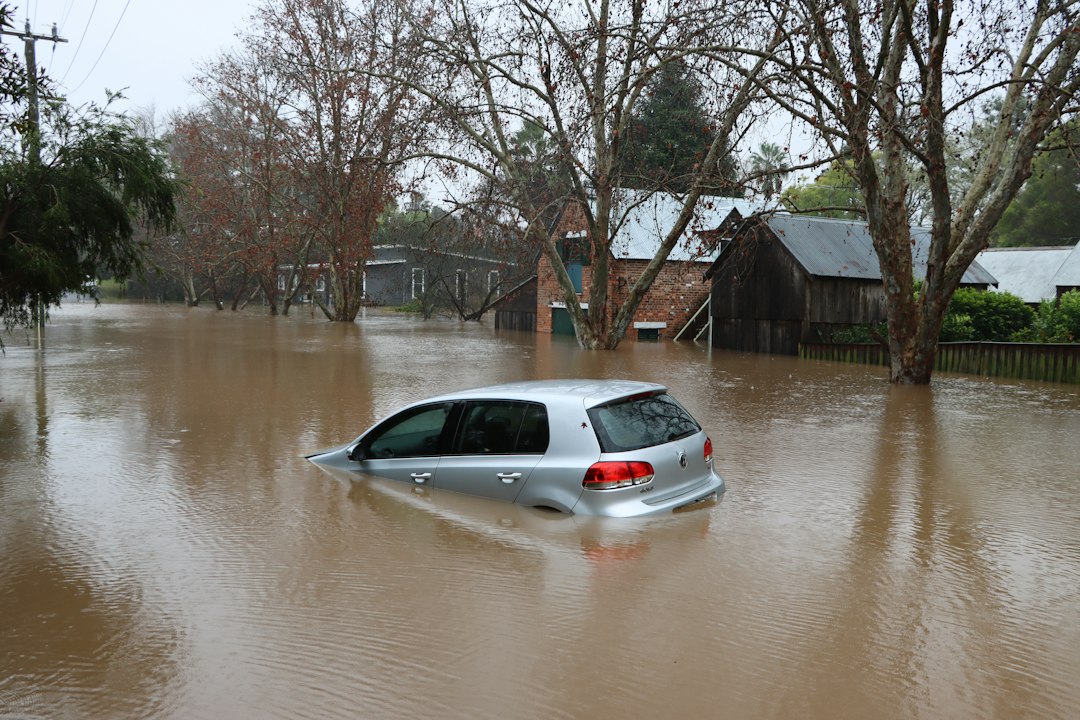
Storm flooding can develop quickly across the Dallas-Fort Worth area. Heavy rainfall, saturated ground, drainage limitations, and runoff can combine to move water into streets, yards, garages, and homes.
Why storm flooding can happen so quickly
Intense rainfall can deliver more water than soil, drainage systems, or channels can handle at one time. Water then follows the lowest available path, which may include roads, yards, driveways, and structures.
Common ways storm water reaches a home
- Overland runoff from heavy rain
- Water entering through low areas around doors and garages
- Drainage problems around the property
- Overflow from nearby drainage channels
- Roof or exterior drainage failures that add water near the structure
Why floodwater is different from a simple plumbing leak
Stormwater can pick up soil, chemicals, microorganisms, debris, and other contaminants as it travels. Homeowners should avoid unnecessary contact with floodwater and be cautious around electrical systems.
What to do during or after storm flooding
- Follow local emergency and evacuation instructions.
- Do not enter moving or contaminated water.
- Stay away from electrical hazards.
- Document damage when it is safe.
- Address the water source and begin appropriate mitigation as soon as conditions allow.
Preparing before the next storm
Keep gutters and drainage paths clear, understand how water moves around your property, protect important belongings, and review your insurance coverage before severe weather arrives.
See our guides to why North Texas floods so fast and storm-season flood preparation for related information. After flooding affects your home, review our water damage restoration services for Frisco homeowners.