
AC Leak Water Damage Cleanup in Frisco, TX
A leaking air conditioner can soak your attic, ceiling, and walls before you ever see a drip. We remove the water, dry the wet areas, and check for mold.
- Local team in Frisco
- 24/7 emergency line
- Attic and ceiling drying
- Help with insurance records
Response
Why Is My AC Leaking Water Inside My Home?
Most AC leaks start with a clogged drain line. Your AC pulls water out of the air as it cools, and that water is meant to drain away through a small pipe. When the pipe clogs or the coil freezes, the water spills into the drain pan, then onto your ceiling, walls, or floor. Turn the AC off first. An HVAC technician fixes the unit, and we dry out the damage.
How an AC Leak Damages a Frisco Home
In North Texas, the AC runs for most of the year. Every hour it runs, it collects water from the air inside your home. If that water has nowhere to go, it can leak for days before anyone notices.
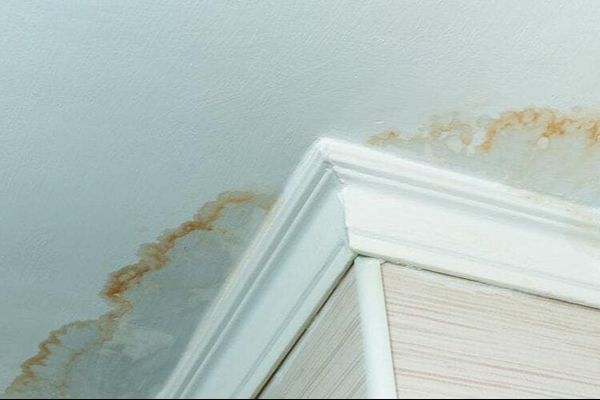
Many homes in our area have the air handler in the attic. When it leaks there, the water soaks the insulation first, then moves down into the ceiling drywall. By the time a stain shows up, the wet area above it is often much bigger than the stain itself.
Common signs of an AC leak:
- A brown stain or ring on the ceiling
- Paint that bubbles, peels, or sags
- A musty smell near vents or a closet
- Water in the drain pan or around the indoor unit
- Wet carpet or baseboards near the air handler
- A dripping sound inside the ceiling
Seeing one of these signs? Turn off the AC and give us a call before the water spreads further.
Two Jobs After an AC Leak
An AC leak needs two kinds of help. It is best to book both, in this order.
Job 1 · Stop the leak
HVAC Technician
A licensed HVAC technician finds why the AC is leaking and repairs it. This may mean clearing the drain line, fixing the pan, or replacing a part. We do not repair air conditioners, so this step comes from a heating and cooling company.
Job 2 · Fix the water damage
Our Restoration Team
We remove the water, dry the structure, and repair what was damaged. If you are not sure where the water came from, we can still start drying right away. See our ceiling water damage repair page for the repair side.
Why Air Conditioners Leak
Knowing the cause helps you stop it from happening again.
Clogged Drain Line
Algae and dirt build up in the drain pipe. The water backs up and spills over the pan.
Frozen Coil
Low airflow can make the coil freeze. When the ice melts, it can be more water than the pan can hold.
Cracked or Full Pan
An old drain pan can rust or crack, and water drips straight through it.
Dirty Filter or Failed Switch
A clogged filter blocks airflow. A failed float switch lets the AC keep running when the pan is full.
Our AC Leak Cleanup Process
We follow the same five steps on every job. Our process is built around the widely used IICRC S500 water damage restoration standard.
- 1Safety Check & Inspection
We check the area for safety, then use moisture meters to find every wet spot in the attic, ceiling, walls, and floors.
- 2Water Removal
We remove standing water and take out soaked insulation or drywall that cannot dry in place.
- 3Drying & Dehumidifying
Air movers and dehumidifiers pull moisture out of the structure. We keep checking readings until they are back to normal.
- 4Clean & Mold Check
AC drain water can carry algae and bacteria, so we clean affected surfaces and watch for early signs of mold.
- 5Final Check & Repairs
We confirm everything is dry, share photos and moisture records for your insurance claim, and explain any ceiling, paint, or flooring repairs.
Where AC Leak Water Ends Up
Where your air handler sits decides where the water goes. In an attic, it runs through insulation and into the ceiling. In a closet or garage, it spreads across the floor and into the walls behind it.
Slow leaks are the trickiest. A small drip inside a wall or above a ceiling can run for weeks, and the first sign may be a musty smell. If your home may have a hidden leak, our moisture detection service can find it without tearing things open.
Spots we check after an AC leak:
- Attic insulation around the air handler
- Ceiling drywall below the unit
- Walls behind a closet or utility room
- Carpet, padding, and baseboards nearby
- Ductwork and the drain pan area
- Rooms next to the wet area
Wet insulation is heavy and can pull a ceiling down. Please do not climb into a wet attic yourself.
What Happens When an AC Leak Is Ignored
Waiting a few days can turn a small leak into a ceiling repair.
Ceiling Stains Grow
Water keeps soaking into drywall, and the stain spreads to nearby rooms.
Mold Can Start
The EPA says mold can begin to grow within 24 to 48 hours on damp materials.
Drywall Can Fail
Soaked drywall gets soft, sags, and can fall. It then needs to be replaced.
Costs Go Up
More wet materials usually means more to remove, dry, and repair.
What To Do While You Wait
A few safe steps can limit the damage until our team gets there.
Do
- Turn the AC off at the thermostat, then at the breaker.
- Place buckets or towels under drips and move furniture away.
- Check the air filter and replace it if it is clogged.
- Take photos and video of stains, drips, and wet areas.
- Call an HVAC technician and our team on the same day.
Don’t
- Do not keep running the AC while it is leaking.
- Do not go into a wet attic with soaked insulation.
- Do not stand under a ceiling that is bulging or sagging.
- Do not use a regular vacuum on wet carpet.
- Do not wait to see if the stain goes away.
Why Choose Our Frisco Water Damage Team?
You are already dealing with a broken AC in the Texas heat, so we keep things simple. We tell you what we found, what we plan to do, and how we will know the job is done.
We go by moisture readings, not by guesses or a set number of days. A ceiling that looks dry can still be wet above it.
Our team focuses on:
- Local service in Frisco
- Moisture readings, not guesses
- Drying the attic, ceiling, and walls
- Plain-language updates during the job
- Photos and records for your insurance claim
- Repairs handled after drying, if you need them
We dry first and repair second, and only replace what truly needs it.
How To Prevent AC Water Damage
Most AC leaks are easy to prevent. A little care before the hot season can save you from a wet ceiling later.
If your air handler is in the attic, ask your HVAC company about a backup drain pan and a float switch. These shut the system off before the pan overflows.
Simple prevention tips:
- Change the air filter on a regular schedule
- Book an AC tune-up before summer
- Ask for the drain line to be cleared each year
- Add a leak sensor near the air handler
- Look for stains and damp spots during hot months
- Fix a small ceiling stain right away
Other Services You May Need
An AC leak often needs these services too.
- Ceiling Water Damage RepairFix stained or sagging ceilings.
- Drywall Water Damage RepairReplace soaked walls and board.
- Moisture DetectionFind hidden wet spots.
- Structural DryingDry walls, floors, and framing.
- DehumidificationPull moisture out of the air.
- Mold RemediationSafe removal if mold has started.
Frequently Asked Questions About AC Leak Water Damage
Why is my air conditioner leaking water inside my house?
The most common cause is a clogged drain line. Other causes include a frozen coil that melts and overflows, a cracked or full drain pan, a dirty air filter, or a failed float switch.
Should I keep running my AC if it is leaking?
No. Turn it off at the thermostat and the breaker. Running it keeps making water that has nowhere to go, and a frozen coil can be damaged further.
Who should I call first, an HVAC company or a restoration company?
You can call both on the same day. The HVAC technician fixes the cause of the leak. Our team removes the water and dries the damage. Calling us early helps stop the water from soaking in deeper.
Can an attic AC leak damage my ceiling?
Yes. Water from an overflowing pan soaks the insulation and then the ceiling drywall below. You may see stains or bulging paint before anyone finds the leak.
Does homeowners insurance cover AC leak damage?
It depends on your policy and how the leak happened. A sudden leak is often treated differently from one that built up slowly over time. The AC repair itself is usually not covered, but damage to the ceiling and floors may be. Check with your insurance provider. We take photos and keep moisture records to support your claim.
Can an AC leak cause mold?
Yes. Wet insulation and drywall in an attic or closet do not get much airflow, so mold can start in 24 to 48 hours. Fast drying is the best way to prevent it.
How long does it take to dry after an AC leak?
Water removal can often be done in a few hours. Drying usually takes several days, depending on how wet the materials are. We go by moisture readings instead of a fixed number of days.
What equipment do you use after an AC leak?
We may use different equipment depending on the job, including:
- Moisture meters
- Thermal imaging cameras
- Wet vacuums
- Air movers
- Dehumidifiers
Each tool has a job, from finding hidden water to proving that everything is dry.
AC Leaking in Your Frisco Home?
Turn off the AC and call our team. We will help you dry your home and protect it from more damage.