
Leak Detection & Repair in Frisco, TX
A hidden water leak doesn’t announce itself. It works quietly behind walls, under concrete, and beneath flooring until real damage shows. Our licensed plumbers use non-invasive technology to find and fix leaks fast — without tearing apart your home.
- Non-invasive detection
- Licensed & insured
- 24/7 emergency response
- TSBPE verified
& Repair Process
How Do I Know If I Have a Slab Leak?
Watch for warm spots on your floor, unexplained water bill spikes, the sound of running water with everything off, low water pressure, damp baseboards, or musty odors. Any of these call for a professional inspection.
Why Leak Detection Matters More in Frisco, TX
Frisco sits on reactive black gumbo clay that expands and contracts with every rain-drought cycle, stressing buried pipes. Nearly every home rests on a concrete slab, and many neighborhoods now have aging copper lines reaching the end of their service life.
What drives leak risk here:
- Clay soil expansion & contraction
- Slab foundation construction
- Aging copper plumbing
- Rapid-development installations
Signs You Have a Hidden Leak in Frisco
Most leaks stay hidden until they cause real damage. These signs tell you something is wrong before you can see it.
Water Bill Spikes
Your usage hasn’t changed, but the bill jumped $50 or more.
Running Water Sounds
A faint hiss or trickle with every fixture off.
Warm Floor Spots
A classic sign of a hot water line leak beneath the slab.
Damp or Buckling Floors
Wet carpet, warped wood, or separating tile grout.
Low Water Pressure
Water may be escaping the supply line before reaching fixtures.
Musty Odors
Mold needs moisture and darkness — a hidden leak provides both.
New Cracks
Shifting soil from a slab leak can crack drywall and flooring.
Wet Yard Spots
An unexplained wet patch can mean a cracked main or sewer line.
Green Grass Patches
One section staying green in a dry summer isn’t luck.
Types of Leaks We Detect & Repair
Leaks hide in many places, and each type needs a different detection and repair approach.
Slab Leaks
The most serious and expensive type when left undetected.
In-Wall & Ceiling Leaks
The leading cause of indoor mold growth in Frisco homes.
Main Water Line Leaks
Shows up as a sudden drop in whole-home water pressure.
Irrigation Line Leaks
Slow, low-pressure leaks that are easy to ignore.
Gas Leaks
A silent emergency — leave the home immediately if smelled.
Fixture & Faucet Leaks
The most visible leaks, but also the most ignored.
Water Heater Leaks
Hard water accelerates tank corrosion in Frisco.
Pool & Spa Leaks
Wastes thousands of gallons weekly if undetected.
Non-Invasive Leak Detection Technology
Old-school leak detection meant breaking open walls and jackhammering concrete. Our team uses advanced technology that locates leaks precisely — before a single tile is broken.
Methods we use:
- Acoustic leak detection
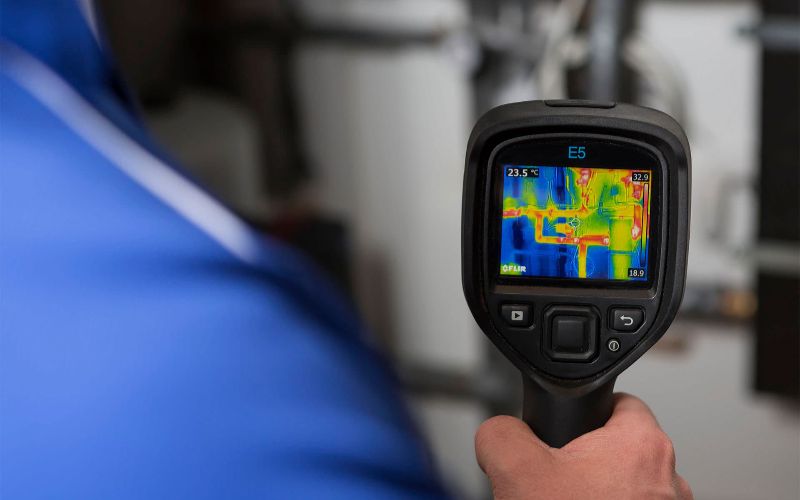
- Thermal imaging
- Electronic line tracing
- Hydrostatic pressure testing
- Video pipe inspection
- Tracer gas detection
- Moisture mapping
Our Leak Detection & Repair Process
From the first call to the final repair, here is exactly what you can expect.
- 1Symptom Review & AssessmentWe discuss what you’ve noticed so technicians arrive prepared with the right equipment.
- 2Visual InspectionWe check all visible plumbing to rule out simple fixture leaks first.
- 3Advanced Non-Invasive DetectionThermal imaging, acoustic listening, pressure testing, and line tracing pinpoint the leak.
- 4Leak Location & DocumentationYou receive a clear report with the exact location and repair options.
- 5RepairWe choose the right method — spot repair, rerouting, epoxy lining, trenchless repair, or full repipe.
- 6System Testing & VerificationWe pressure-test the system and give you written documentation of the repair.
Leak Detection & Repair Cost in Frisco, TX
Cost depends on leak type, detection method, repair approach, and the extent of damage.
| Service | Cost Range |
|---|---|
| Basic visual inspection | Included with service call |
| Acoustic leak detection | $250 – $500 |
| Thermal imaging inspection | $300 – $600 |
| Pressure testing | $150 – $400 |
| Video pipe camera inspection | $200 – $500 |
| Full leak detection (multi-method) | $300 – $700 |
| Repair Type | Cost Range |
|---|---|
| Faucet / fixture repair | $150 – $400 |
| In-wall pipe repair | $500 – $2,000 |
| Main water line repair | $1,000 – $4,000 |
| Slab leak spot repair | $1,500 – $4,000 |
| Slab leak pipe rerouting | $2,000 – $5,000 |
| Epoxy pipe lining | $1,500 – $4,500 |
| Trenchless main line repair | $2,500 – $7,000 |
| Full whole-home repiping | $4,000 – $15,000+ |
What drives the final cost:
- Leak location — under-slab or in-wall costs more
- Pipe material — copper, PEX, or galvanized
- Extent of existing damage
- Age of the plumbing system
- City permit requirements for slab work
Does insurance cover it?
Most Texas policies cover sudden, accidental pipe failures and the resulting damage, but often exclude gradual leaks from neglect and the pipe repair itself. Review your policy and document the cause thoroughly for your adjuster.
Residential vs. Commercial Leak Detection
The technology overlaps, but the scope, urgency, and stakes differ.
Residential
- Under-slab supply lines
- In-wall pipe runs
- Irrigation systems
- Water heaters, fixtures, appliances
- Main service lines
Commercial
- Restaurants with commercial slabs
- Office buildings with concealed lines
- Retail centers and shopping complexes
- Medical and dental facilities
- Multi-family apartment complexes
Gas Leak Detection — What You Must Know
Natural gas is odorless by nature. Mercaptan gives it the recognizable rotten-egg smell, and by the time you notice it, gas may have already accumulated.
If you smell gas:
- Do not flip any light switches
- Do not use electrical appliances or ignition sources
- Leave the home immediately with everyone else
- Call 911 and your gas provider from outside
- Call a licensed plumber for inspection and repair
Common causes:
- Aging or corroded gas lines
- Loose appliance connections
- Damaged gas connectors
- Ground movement on buried lines
Never attempt to find or repair a gas leak yourself — this work requires a licensed Texas plumber.
DIY Leak Detection vs. Professional Service
Some checks are safe to try yourself — others need professional equipment.
Safe to try yourself
- Water meter test — shut off water, check the meter after 30 minutes
- Toilet dye test — add food coloring to the tank and watch the bowl
Where DIY ends
- Unnecessary demolition in the wrong spot
- Missed leaks that travel far from the source
- Worsened damage from disturbing a pipe
- Voided insurance from undocumented repairs
- Code violations from unpermitted work
Leak Prevention Tips for Frisco Homeowners
Prevention costs far less than repair.
Monitor Your Meter
Read it monthly to catch unusual usage early.
Know Your Water Pressure
Keep it between 40–80 psi with a pressure reducing valve.
Inspect Under Sinks
Check for staining or corrosion four times a year.
Service Your Water Heater
Flush the tank annually to slow corrosion.
Protect Pipes Before Winter
Insulate exposed pipes ahead of hard freezes.
Inspect Irrigation Each Spring
Check for broken heads and cracked lateral lines.
Install Smart Leak Detection
Devices like Flo by Moen alert you and can auto shut-off water.
Why Choose Us for Leak Detection & Repair
Not every plumber has the equipment or training for precise, non-invasive leak detection. Here is what we bring to every job.
What sets us apart:
- Licensed & insured Texas plumbers (TSBPE verified)
- Non-invasive technology first
- Transparent upfront pricing
- Full-service: detection through restoration
- 24/7 emergency response
Frequently Asked Questions
How do I know if I have a slab leak?
Watch for warm floor spots, unexplained water bill increases, running water sounds with fixtures off, low pressure, damp baseboards, and musty odors. Call a plumber if you notice several of these together.
How long does leak detection take?
Most residential inspections take 1 to 3 hours, depending on property size and leak complexity.
Can you find leaks without breaking my walls or floors?
Yes. Thermal imaging, acoustic detection, and line tracing locate leaks without opening anything until the exact spot is confirmed.
How much does slab leak repair cost in Frisco?
Most slab leak repairs range from $1,500 to $5,000 depending on the repair method, with early detection keeping costs lower.
Does my homeowner’s insurance cover slab leaks?
Most Texas policies cover sudden, accidental pipe failures and the resulting damage. The pipe repair itself is often excluded — confirm with your insurer.
What causes slab leaks in Frisco specifically?
Frisco’s clay soil expands and contracts with wet and dry cycles, stressing copper pipes beneath the slab, especially in older homes.
How do I check for a water leak myself?
Turn off all water, record your meter reading, wait 30 minutes, and check again. A changed reading confirms a leak, but not its location.
What’s the difference between leak detection and a plumbing inspection?
An inspection is a general check of visible plumbing. Leak detection uses specialized equipment to locate a specific, often hidden, active leak.
Get Fast Leak Detection & Repair in Frisco Today
Every day a hidden leak runs, it costs you money and feeds mold inside your walls. Caught early, most leaks are fast and affordable to fix.