
Texas Mold Insurance Claim Denied in Frisco: What Homeowners Should Know
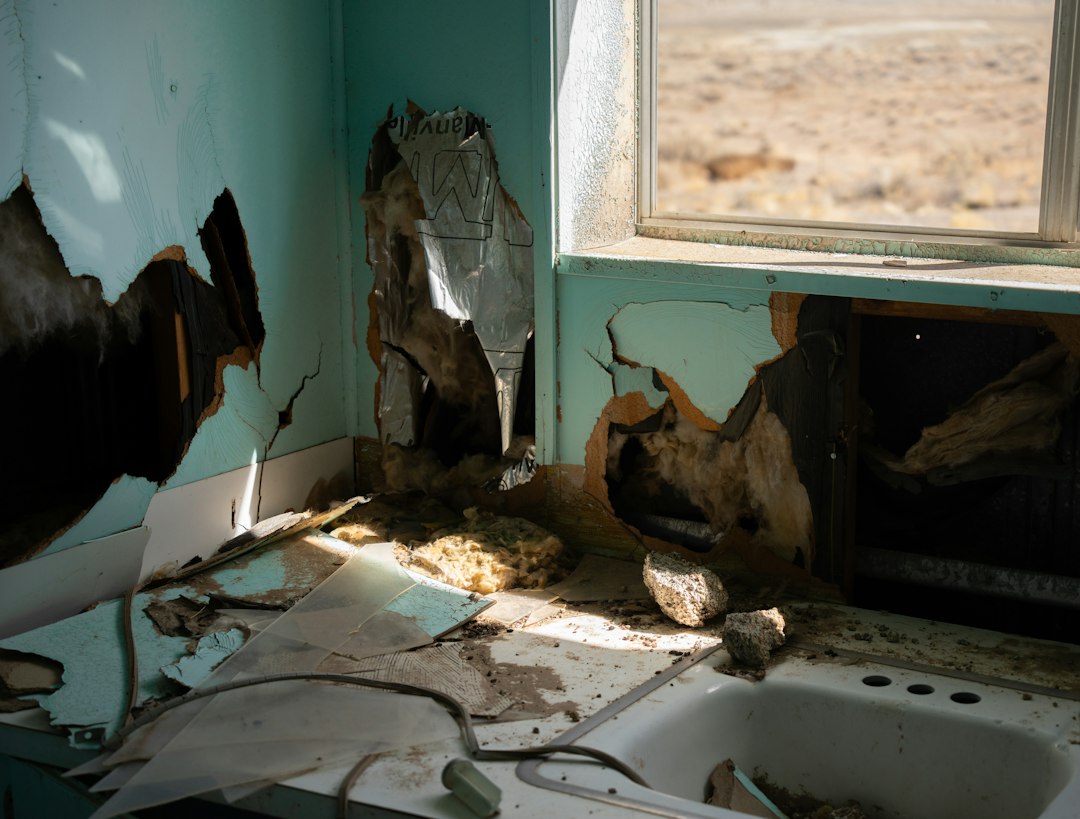
A denied mold insurance claim can be frustrating, especially when mold developed after a water event. In Texas, coverage depends on the policy, endorsements, exclusions, the cause of the damage, and the facts of the claim. A denial does not automatically mean every related expense is excluded.
Why might a mold claim be denied?
- The policy excludes or limits certain mold losses.
- The underlying cause is not covered.
- The insurer considers the condition long-term or related to maintenance.
- Required documentation is missing.
- A policy limit or deductible affects the claim.
Start with the written denial
Ask the insurer for the written explanation and identify the policy language they relied on. Understanding the stated reason is more useful than guessing why the claim was denied.
Document the underlying water damage
Keep photos, videos, dates, repair records, mitigation invoices, moisture documentation, and communications. If mold followed a water loss, records showing what happened and when can be important.
Check your policy and endorsements
Do not rely on general statements about Texas insurance. Review your actual policy and any mold, water-backup, or other relevant endorsements. Coverage varies by policy.
What if you disagree?
You can ask the insurer to review the claim and provide clarification. Depending on the situation, homeowners may also choose to speak with a qualified insurance professional or attorney about their rights and options.
Our Texas water damage insurance guide provides related claim documentation tips, while our mold after water damage guide covers the property side. For help with property damage, visit our water damage restoration in Frisco page.