Most Common Home Water Damage Spots in Frisco Tx
Water damage is a common problem in many homes across Frisco. This happens because of changing weather, shifting soil, and daily water use inside the house. Over time, even small leaks can turn into bigger issues if no one notices them early.
Also, plumbing systems work all day, so wear and tear is normal. Pipes, fixtures, and appliances can fail without warning. As a result, water starts to spread in hidden places.
That is why early detection matters a lot. If you catch a leak quickly, you can avoid costly repairs. In most cases, a simple fix today can save a lot of trouble later.
1. Bathrooms
Bathrooms are one of the most common places where water damage begins. Since water is used here every day, leaks can happen around sinks, toilets, and showers. Over time, poor sealing can also let water slip behind tiles.
In many homes, small drips go unnoticed for weeks. As a result, moisture builds up under floors or behind walls. This can weaken surfaces and even lead to mold growth.
Because of this, regular checks are important. Even a quick look at seals and fixtures can help prevent bigger problems.
Signs to Watch For
First, look for water stains near sinks or around the toilet base. If you notice peeling paint or soft walls, that can be a warning sign. Also, a musty smell often means hidden moisture.
Sometimes, tiles may feel loose under your feet. In other cases, you might see mold in corners. These signs should not be ignored.
If you act early, you can stop the damage from spreading. So, always keep an eye on small changes in your bathroom.
Simple Prevention Tips
Start by checking seals around tubs and sinks every few months. If you see cracks, replace the sealant right away. This simple step can block water from getting inside walls.
Also, fix dripping faucets as soon as you notice them. Even a slow drip can waste water and cause damage over time. In addition, keep the bathroom well ventilated to reduce moisture.
Finally, consider using basic leak detection tools. These devices can alert you before damage gets worse.
2. Kitchens
Kitchens handle a lot of water every day, so they are a high-risk area. Sinks, dishwashers, and refrigerators all depend on water lines. If one part fails, it can quickly cause a mess.
For example, a loose pipe under the sink can leak slowly for days. Meanwhile, a faulty dishwasher can release water onto the floor. In both cases, damage can spread before you notice it.
Because of this, regular inspection is key. Make sure all connections are tight and working well.
Another common issue is clogged drains. When water cannot flow out, it backs up and spills over. So, keeping drains clear is just as important as checking pipes.
3. Foundations and Slab Leaks
Homes in North Texas often have slab foundations, which can be at risk. Soil in this area expands and shrinks with moisture changes. As a result, pipes under the slab may crack.
When a slab leak starts, it is usually hidden. You may not see water right away, but the damage is still happening below. Over time, this can affect the structure of your home.
Common signs include warm spots on the floor or sudden cracks in walls. In some cases, your water bill may increase without reason.
If you notice these signs, act quickly. Early repair can prevent serious structural damage.
4. Roofs and Attics
Roofs protect your home, but they can also be a source of leaks. Storms, broken shingles, and aging materials can let water in. Once water enters, it often collects in the attic.
In many cases, poor ventilation makes the problem worse. Moist air gets trapped, which leads to condensation. Over time, this moisture damages wood and insulation.
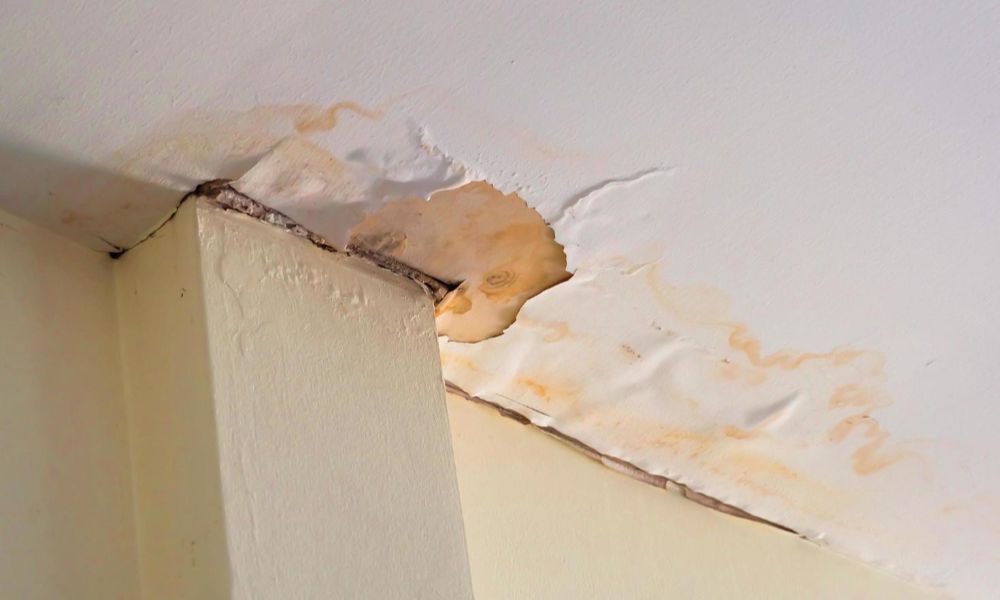
You might notice dark spots on the ceiling or damp insulation. These are signs that water has already entered your home.
Regular roof checks can help catch problems early. It is better to fix a small issue before it grows.
5. HVAC Systems and Drain Lines
HVAC systems play a big role in keeping your home comfortable. However, they can also cause water damage if not maintained. Condensate drain lines can clog over time.
When this happens, water has nowhere to go. As a result, it starts to overflow and collect around the unit. This can damage nearby walls and floors.
Many homeowners overlook this issue because it is not visible. Still, regular maintenance can prevent it.
Cleaning the drain line and checking for blockages can make a big difference. Small steps like this help avoid bigger repairs later.
6. Laundry Rooms
Laundry rooms deal with large amounts of water in a short time. Washing machine hoses can wear out or burst suddenly. When that happens, water spreads quickly across the floor.
In addition, drainage problems can cause overflow. If the drain is blocked, water backs up during a wash cycle. This can lead to serious damage.
You should check hoses for cracks or bulges. Replacing old hoses can prevent sudden leaks.
Also, make sure the drain is clear and working well. A simple check can save you from a major cleanup.
7. Hidden Leaks Inside Walls
Some of the worst water damage comes from leaks you cannot see. Pipes inside walls can drip slowly over time. Because they are hidden, the damage often goes unnoticed.
At first, you might see small stains or peeling paint. Later, walls may feel soft or weak. These signs mean water has been there for a while.
If left untreated, hidden leaks can lead to mold and structural issues. That is why early detection is so important.
Using moisture detection tools can help find these leaks. It is better to act early than deal with major repairs later.
8. Windows, Gutters, and Exterior Drainage
Water can also enter your home from outside. Poor sealing around windows allows rainwater to seep in. Over time, this can damage walls and frames.
Clogged gutters are another common issue. When water cannot flow away, it spills over and collects near the foundation. This increases the risk of leaks.
Heavy rain makes these problems worse. Water finds its way into small gaps and cracks.
Regular cleaning and sealing can help prevent this. Keeping gutters clear is one of the easiest ways to protect your home.
Common Warning Signs of Water Damage
Water damage often shows clear signs if you know what to look for. Musty odors are one of the first indicators. They usually mean moisture is trapped somewhere.
You may also see stains or discoloration on walls and ceilings. These spots often grow over time if the issue is not fixed.
In some cases, floors may warp or feel soft. This happens when water seeps into the material below.
Another sign is a sudden increase in your water bill. If usage has not changed, a hidden leak could be the cause.
How to Prevent Water Damage in Your Home
Preventing water damage starts with regular checks. Look at your roof, plumbing, and appliances often. Small issues are easier to fix early.
Keeping gutters clean and seals intact also helps. These steps stop water from entering your home. In addition, proper drainage keeps water away from the foundation.
You can also install leak detection devices. These tools alert you when water is detected in unwanted areas.
Taking these steps can reduce the risk of damage. A little effort now can save a lot later.
When to Call a Professional
Some problems need expert help. If you see major leaks or structural damage, it is best to call a professional. They have the tools to find and fix hidden issues.
Also, mold growth requires proper handling. Trying to clean it yourself can make the problem worse.
Quick action is very important in these cases. The longer you wait, the more damage can occur.
Professionals can assess the situation and provide the right solution. This helps protect your home and your health.
Conclusion
Water damage can start in many places, from bathrooms to roofs. Each area has its own risks, but all require attention. Regular checks can help you catch problems early.
By staying alert, you can protect your home from costly repairs. Small steps like fixing leaks and cleaning gutters make a big difference.
In the end, prevention is always better than repair. Taking action now can save you time, money, and stress.
FAQs
What is the most common cause of water damage in homes?
Leaking pipes and faulty appliances are the most common causes. These issues often start small but grow over time.
How quickly can water damage spread?
Water damage can begin within hours. The longer it sits, the worse it becomes.
Does homeowners insurance cover water damage?
It depends on the cause. Sudden damage is often covered, but slow leaks may not be.
Can small leaks cause serious damage over time?
Yes, even small leaks can lead to major problems. Over time, they can damage walls, floors, and structures.