
How to Dry Out a House After Flooding in Frisco
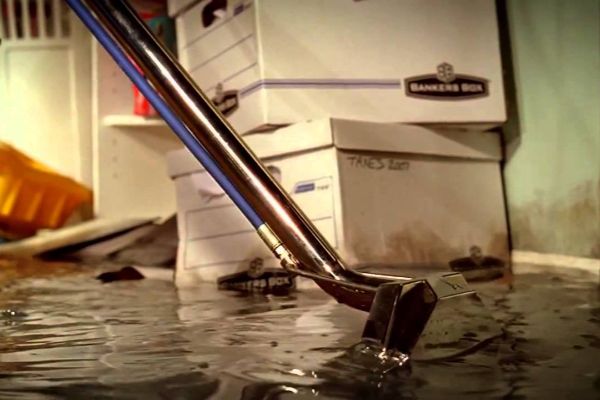
Finding your home filled with water is one of the most overwhelming experiences a homeowner can face. Whether it is from a severe storm, a overflowing local creek, or a burst pipe upstairs, the clock starts ticking the moment water enters your living space.
Mold can begin to grow within 24 to 48 hours of water exposure. Beyond mold, water compromises your home’s structural integrity, warping wood, destroying drywall, and ruining electrical systems.
Taking fast, decisive, and safe action can mean the difference between a straightforward drying process and an incredibly expensive, long-term reconstruction project. This comprehensive, step-by-step guide will walk you through exactly how to dry out your house safely and effectively, keeping your family healthy and your property secure.
Step 1: Safety First, Everything Else Second
Before you touch a single drop of water or step into a flooded room, you must ensure the environment is completely safe. Standing water hides dozens of invisible hazards.
Disconnect the Power
Never walk into a flooded room if the electricity is still on. If you can safely access your home’s main breaker box without standing in water, turn off all electrical breakers. If the breaker box is in a flooded basement or you have to stand in water to reach it, do not touch it. Call an electrician or your power company immediately to pull the meter or disconnect the power from the outside.
Wear the Right Protective Gear
Floodwater is rarely clean. It often carries sewage, chemicals, fertilizers, and sharp hidden objects. Always dress in protective clothing before entering the area:
- Heavy-duty rubber boots with thick soles.
- Thick rubber or leather gloves.
- An N95 mask or respirator to avoid breathing in airborne mold spores or dangerous bacteria.
- Goggles to protect your eyes from splashes.
Check for Structural Risks
Water softens drywall and rots wood quickly. Look up before you walk in. Are the ceilings sagging? Are the floors bulging or feeling spongy beneath your feet? If you notice buckling walls or sagging ceilings, exit the home immediately. The structure may be unstable.
Step 2: Document Everything for Insurance
It is incredibly tempting to start throwing things away and cleaning up immediately, but doing so can severely hurt your insurance claim. You need undeniable proof of the damage.
- Take Photos and Videos: Before you move a single piece of furniture or scoop up any water, document every single room. Take wide shots of the flooding and close-up photos of the water lines against the walls.
- Photograph Individual Items: Capture the damage done to electronics, furniture, appliances, and personal belongings.
- Keep a Running Log: Start a digital document or use a notebook to list every damaged item, its approximate age, and what it would cost to replace it.
- Call Your Insurance Agent Immediately: Let them know your home has flooded. They will assign an adjuster to your case and give you specific instructions on what they need to process your claim smoothly.
Step 3: Remove the Standing Water
The faster you get the bulk water out, the faster the actual drying process can begin. Depending on the volume of water, you have a few options to remove it.
| Tool / Method | Best Used For | Notes |
| Sump Pump | Deep standing water (inches or feet deep) in basements or low points. | Requires electricity; use an extension cord plugged into a safe, dry outlet or a gas generator kept outdoors. |
| Wet/Dry Vacuum | Shallow standing water (less than an inch) on hard floors or carpets. | Empty the canister frequently. Keep the vacuum unit itself in a completely dry area. |
| Mops, Buckets, & Squeegees | Final puddles and hard-to-reach corners. | Great for pushing water out of sliding doors or tracking down small pockets of trapped water. |
Pro Tip: If your basement is completely filled with water, do not pump it all out at once. If the ground outside is completely saturated, pumping the water out too quickly removes the internal pressure holding your basement walls up. This can cause the foundation walls to collapse inward. Pump out about one-third of the water per day to let the outside ground pressure equalize.
Step 4: Tear Out Unsizable, Wet Materials
Many materials in a home act like a sponge. They soak up contaminated water and simply cannot be saved or dried out safely. Removing these materials opens up the wall cavities and allows the hidden wood framing to dry.
Remove Wet Carpets and Padding
Carpet padding cannot be saved after a flood. Cut the carpet and padding into small, manageable strips using a utility knife, roll them up, and discard them. While some specialized professionals can save certain area rugs, standard wall-to-wall carpet exposed to contaminated floodwater must go.
The “Flood Cut” for Drywall
Drywall wicks water upward. If the water water rose 12 inches high, the moisture inside the wall might have climbed 2 or 3 feet.
- Measure at least 12 to 24 inches above the highest visible water line.
- Snap a chalk line horizontally along the wall.
- Use a drywall saw to cut along the line and remove the damaged drywall.
- Remove the insulation behind it: Fiberglass and cellulose insulation lose their insulating properties and hold water indefinitely when wet. Pull it out completely.
Remove Swollen Baseboards and Trim
Plywood, particleboard, and MDF trim will swell and crumble when wet. Pry them away from the walls carefully. This exposes the bottom plate of your wall framing, which is a critical area that needs direct airflow to dry.
Step 5: Establish Aggressive Airflow and Dehumidification
Once the standing water is out and the unsalvageable materials are removed, you are left with damp structural wood, concrete, and subfloors. Now, you need to evaporate that moisture.
Strategic Ventilation
If the humidity outside is lower than it is inside (usually on dry, sunny days after a storm passes), open all windows and doors to let fresh air circulate. However, if it is raining or incredibly humid outside, keep the windows closed and rely entirely on mechanical drying.
Deploy High-Powered Fans
Standard household fans will not cut it here. You need industrial air movers. These are designed to blow high-velocity air directly across floors and walls, pulling moisture out of the materials and into the air.
- Place fans every 10 to 12 feet, facing the walls at a slight angle to create a circular vortex of airflow around the room.
- Keep them running 24 hours a day.
Use Commercial Dehumidifiers
Fans pull moisture out of the wood, but that moisture has to go somewhere. If it stays in the air, the room becomes a greenhouse for mold.
- Set up refrigerant or desiccant dehumidifiers in the center of the rooms to pull water vapor out of the air.
- Ensure the dehumidifier drains directly into a sink, floor drain, or outside so it can run continuously without shutting off when a bucket fills up.
Step 6: Clean, Sanitize, and Monitor
Just because a surface looks dry does not mean it is safe. Floodwater leaves behind a fine layer of silt, bacteria, and organic matter that will smell and cause health issues later if not thoroughly cleaned.
Wash Down All Structural Elements
Scrub all exposed wood studs, concrete floors, and non-porous surfaces with a mixture of warm water and a heavy-duty household cleaner or liquid dish soap. Remove all visible mud and dirt.
Disinfect to Prevent Mold
After cleaning, apply a disinfectant to kill any lingering bacteria or mold spores. You can use a commercial antimicrobial spray or a mixture of 1 cup of household bleach to 5 gallons of water. Spray it onto the wood studs and concrete, let it sit for 10 minutes, and then wipe or let it air dry.
Monitor with a Moisture Meter
How do you know when a house is truly dry? You cannot judge it by sight or touch alone. Professional restoration teams use moisture meters to test the inside of wood framing. Wood is generally considered safe from mold growth when its moisture content drops below 15% (ideally around 12%). Keep your fans and dehumidifiers running until you hit these safe levels consistently across the entire house.
When to Call a Certified Professional
Drying out a home is a massive, physically exhausting undertaking. While a handy homeowner can manage minor localized flooding, you should call a certified water damage restoration professional if:
- The water came from a “Black Water” source (like a sewage backup), which poses extreme biohazard risks.
- The flooding has affected multiple floors or structural ceilings.
- The water has been sitting stagnant for more than 48 hours.
- You or your family members suffer from severe allergies, asthma, or compromised immune systems.
Professionals have access to truck-mounted water extractors, industrial-grade structural drying equipment, and thermal imaging cameras that trace hidden water traveling behind walls without tearing them down unnecessarily. Taking the right steps now protects your home’s value and ensures your living space remains safe, dry, and healthy for years to come.