
Why North Texas Floods So Fast
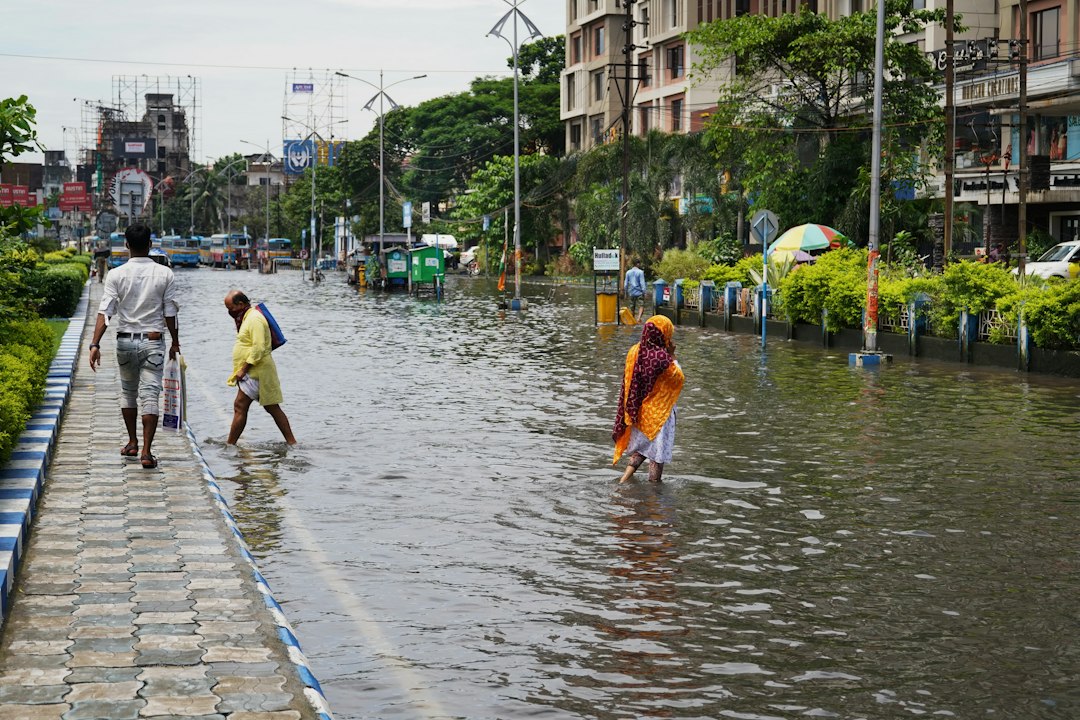
North Texas can go from dry conditions to heavy rain very quickly. In and around Frisco, intense storms can produce a large amount of water in a short period, creating drainage problems, street flooding, and water intrusion risks for homes and businesses.
If stormwater gets inside your property, our water damage restoration services in Frisco page explains the next step for assessing and drying affected areas.
Understanding why North Texas floods so fast can help Frisco property owners recognize the warning signs and prepare before the next major storm.
Why Can North Texas Flood So Quickly?
Several factors can work together during a heavy storm. Rain may fall faster than the ground, streets, storm drains, and drainage channels can move it away.
When rainfall intensity is high, water begins collecting in low areas and flowing across surfaces instead of soaking into the ground. This can happen quickly, especially during thunderstorms that produce heavy rain over a short period.
Heavy Rain Can Overwhelm Drainage Systems
Stormwater systems are designed to move runoff away from developed areas, but very intense rainfall can create more water than a drainage system can handle at one time.
When drains and channels reach capacity, water can collect on roads, around buildings, and in other low areas. Blocked or restricted drainage can make the situation worse.
North Texas Has Expansive Areas of Developed Land
Urban and suburban development changes how rainwater moves. Roads, driveways, sidewalks, parking areas, and rooftops do not absorb water in the same way as natural ground.
Instead, rainfall runs across these hard surfaces and enters drainage systems or lower areas. As communities grow, managing stormwater becomes increasingly important.
Soil and Ground Conditions Matter
The amount of water the ground can absorb depends on soil conditions, moisture levels, vegetation, and rainfall intensity.
If the ground is already wet, additional rainfall may produce more surface runoff. During an intense storm, rain can also fall faster than water can infiltrate the soil.
Low Areas Can Collect Water Quickly
Water naturally moves toward lower elevations. A property may not need to be next to a river or large body of water to experience water accumulation.
Low sections of yards, streets, driveways, and other areas can collect runoff during a heavy storm. Water can also move toward buildings if grading and drainage do not direct it away effectively.
Why Flash Flooding Can Be Dangerous
Fast-moving floodwater can create dangerous conditions with very little warning. Roads can become difficult or impossible to cross, and water can enter buildings through doors, garages, low openings, or other vulnerable points.
Floodwater can also contain contaminants. Avoid contact with floodwater when possible and follow local emergency instructions during severe weather.
How Flooding Can Affect a Frisco Home
Once water enters a home, it can affect more than the visible surface. Water may move into flooring, drywall, insulation, cabinets, and other materials.
Knowing the most common home water damage spots in Frisco can help homeowners pay closer attention to vulnerable areas.
After water enters a property, quick action matters. Our guide on what to do in the first 24 hours after water damage covers important immediate steps.
Ways Frisco Homeowners Can Prepare
- Keep gutters and downspouts clear.
- Make sure downspouts direct water away from the foundation.
- Check that exterior drains are not blocked by leaves or debris.
- Look for areas where water repeatedly collects in the yard.
- Inspect doors, windows, and other potential water-entry points.
- Know where the home’s main water shut-off is located.
- Keep important documents and valuables in locations less vulnerable to water.
- Review your insurance coverage and understand how flood damage is treated.
What to Do If Heavy Rain Causes Water Intrusion
Safety should come first. If water has entered the home and electrical hazards may be present, do not enter standing water.
If the area is safe, document the affected rooms and materials with photos and videos. Move belongings away from water only when it can be done safely.
Do not wait for visible damage to become severe before addressing moisture. Wet building materials may need professional assessment and drying.
If a significant amount of water has entered the property, our guide on how to dry out a house after flooding in Frisco provides additional information.
Flood Prevention Starts Before the Storm
No homeowner can control how much rain a severe North Texas storm produces. However, preparation can reduce some avoidable risks.
Routine maintenance, good drainage, early detection of leaks, and a clear emergency plan can all help. Homeowners can also consider technologies such as smart leak detectors for plumbing leaks inside the home. These devices address a different risk than outside flooding, but they can provide useful early warnings.
Final Thoughts
North Texas can flood quickly because heavy rainfall, developed surfaces, soil conditions, drainage capacity, and local elevation can combine to move a large amount of water in a short period.
For Frisco homeowners, preparation is important. Keep drainage paths clear, understand where water may collect around your property, review your insurance coverage, and know what to do if water enters your home.
If your property experiences significant water damage, choosing an experienced restoration company can help you determine the appropriate cleanup and drying steps. See our guide on how to choose a water damage restoration company in Frisco, TX.