
Wet Carpet Padding: Dry or Discard After Water Damage?
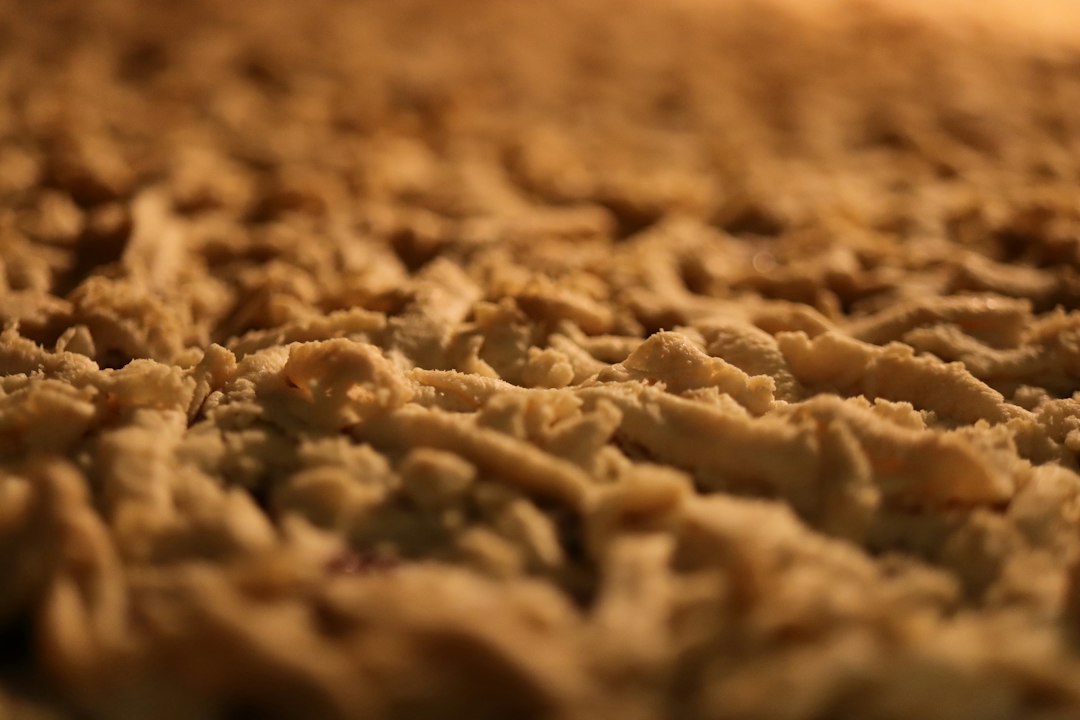
Whether wet carpet padding should be dried or discarded depends on the type of water, how long the padding remained wet, the amount of contamination, and its condition. Padding can hold a surprising amount of moisture, so simply drying the carpet surface is not always enough.
When carpet padding stays wet, a local water damage restoration team in Frisco can assess moisture beneath the carpet and help determine what needs drying or replacement.
When carpet padding may be salvageable
Padding affected by a small, clean-water loss may sometimes be evaluated for drying if it can be safely accessed and thoroughly dried. The condition of the padding and the circumstances of the loss matter.
When replacement is more likely
- The padding was exposed to sewage or heavily contaminated water.
- It has remained wet for an extended period.
- The material is damaged, deteriorated, or cannot be dried effectively.
- Persistent odor remains after appropriate cleaning and drying.
Why padding is important
Carpet padding sits underneath the carpet and can retain moisture even when the carpet surface feels dry. Moisture trapped underneath can contribute to odors and secondary damage.
What to do after a carpet gets wet
- Stop the water source if safe.
- Identify whether the water may be contaminated.
- Remove standing water promptly when it is safe.
- Have the carpet and padding evaluated rather than assuming they are dry.
Our water damage categories guide explains why the source of the water matters, and our extraction vs. structural drying guide explains why surface drying is not the whole process.