
Water Extraction vs. Structural Drying: What’s the Difference?
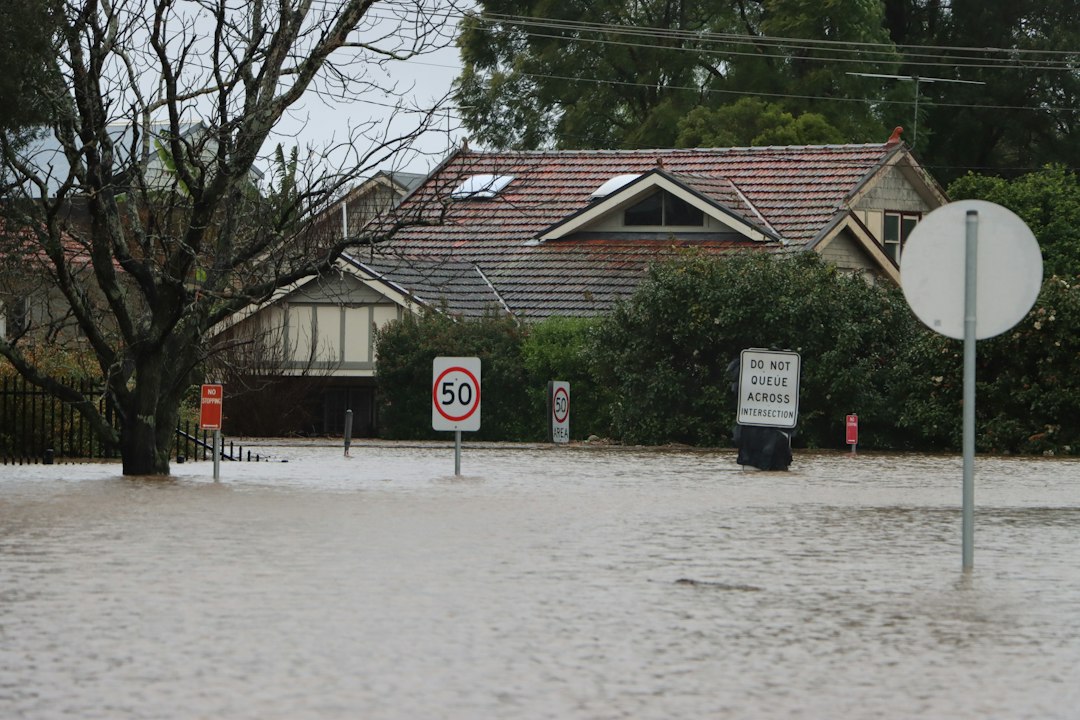
Water extraction and structural drying are two different parts of water damage mitigation. Extraction removes water that can be physically collected, while structural drying addresses moisture that remains in building materials and the indoor environment.
What is water extraction?
Water extraction is the process of removing standing or absorbed water from affected areas. Depending on the loss, this can include removing pooled water and extracting moisture from carpet or other materials.
What is structural drying?
Structural drying focuses on reducing moisture in building materials such as flooring, drywall, framing, cabinets, and other affected assemblies. Air movement and dehumidification may be used according to the conditions.
Why extraction alone may not be enough
A floor can look dry while moisture remains beneath the surface. Water can also migrate into walls, cabinets, and other concealed areas. If those materials remain wet, additional damage can occur.
How the two processes work together
- Identify the source and affected areas.
- Remove standing water.
- Evaluate materials for retained moisture.
- Set appropriate drying equipment.
- Monitor moisture conditions.
- Complete repairs after mitigation and drying are appropriate.
When structural drying is especially important
Drying becomes important when water has reached porous building materials, traveled under flooring, entered walls, or affected cabinets and other assemblies.
Our water mitigation process guide explains the broader workflow, and our Frisco house drying guide covers another common drying situation. When building materials remain wet, explore our professional water damage restoration services.