
Do I Need Flood Insurance in Frisco?
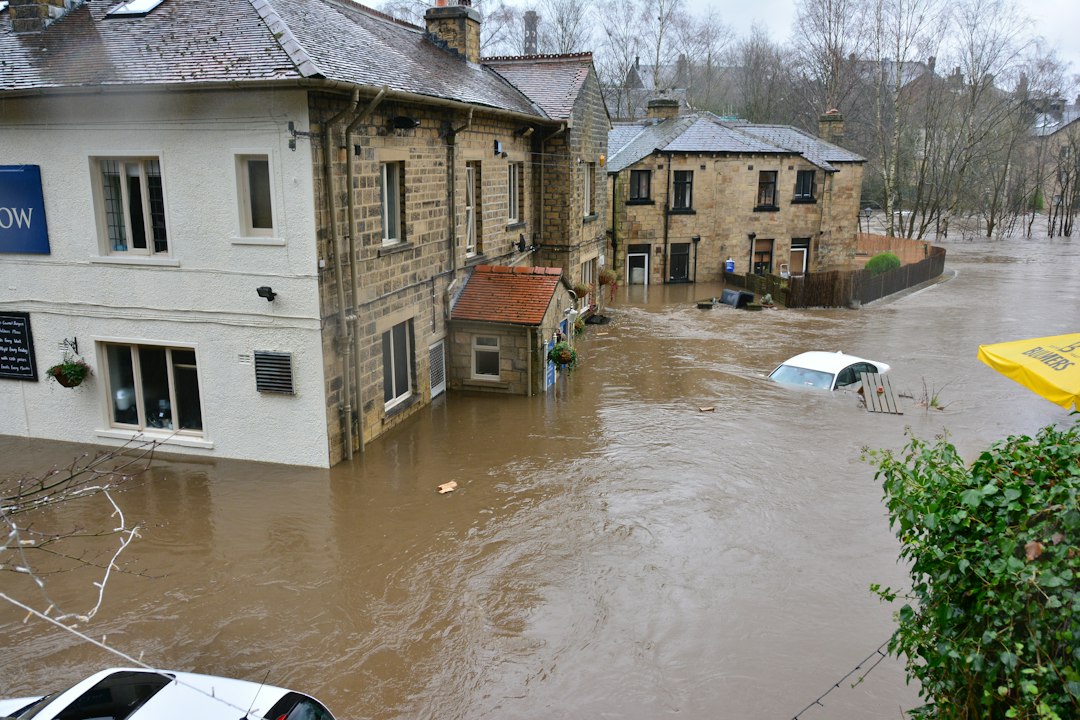
Flood insurance is easy to overlook until water enters a home. Many Frisco homeowners assume their regular homeowners insurance will cover every type of water damage, but flood damage can be treated differently from other plumbing or indoor water losses.
If flooding does damage your property, our water damage restoration in Frisco page explains the cleanup and restoration help available.
Whether you need flood insurance depends on your property, location, mortgage requirements, risk tolerance, and the type of water event you want to protect against. Understanding the difference can help you make a more informed decision before a storm or flood occurs.
What Is Flood Insurance?
Flood insurance is coverage specifically designed for certain losses caused by flooding. It is separate from the standard homeowners insurance policy in many situations.
A flood generally involves water affecting normally dry land from an external source, such as heavy rainfall, overflowing water, or certain drainage and storm events. The exact definition and coverage depend on the policy.
Does Homeowners Insurance Cover Flood Damage?
Do not assume that your homeowners policy automatically covers flooding. Standard homeowners coverage and flood insurance serve different purposes, and coverage depends on the cause of the water damage and the terms of the policy.
For example, a sudden plumbing failure inside the home may be handled differently from water that enters the property because of flooding. Before a storm occurs, homeowners should review their policy and ask their insurance provider exactly what types of water damage are covered.
Do Frisco Homeowners Need Flood Insurance?
There is no single answer for every Frisco property. A home can have some flood risk even when it is not located in an area that a homeowner considers a traditional flood zone.
Heavy rainfall can overwhelm drainage systems, low-lying areas can collect water, and water can enter properties through doors, garages, foundations, or other vulnerable areas.
Your property’s elevation, drainage, nearby waterways, construction, and location all matter when evaluating risk.
What If Your Home Is Not in a High-Risk Flood Zone?
Being outside a high-risk flood area does not mean flooding is impossible. Lower-risk properties can still experience flooding from unusually heavy rainfall, drainage problems, or other events.
If you are deciding whether flood insurance is worthwhile, consider more than the flood-zone label. Think about the cost of repairing your home, replacing belongings, and paying for cleanup if water enters the property.
When Can Flood Insurance Be Especially Worth Considering?
Flood insurance may deserve closer consideration if:
- Your property is in or near an area with known flood risk.
- Your home has a history of water entering the property.
- Your property is in a low-lying location.
- You are concerned about heavy rainfall and storm-related flooding.
- You have significant personal belongings that would be expensive to replace.
- Your mortgage lender requires flood coverage.
- You want additional financial protection against a flood-related loss.
Flood Damage vs. Other Types of Water Damage
Understanding the source of the water is important. Water from a burst supply pipe, leaking appliance, overflowing fixture, roof issue, or external flooding can be treated differently by insurance policies.
For example, a plumbing leak inside the home may create a different insurance situation than water entering from outside after widespread flooding.
Knowing the most common home water damage spots in Frisco can also help you identify areas that deserve regular inspection.
What Should You Check Before Buying a Policy?
Before purchasing flood insurance, ask the insurer about the specific risks and limits covered by the policy. Important questions can include:
- What qualifies as flood damage under the policy?
- What parts of the home are covered?
- Are personal belongings covered, and under what limits?
- What exclusions apply?
- What deductible would apply to a flood claim?
- Are there waiting periods before coverage becomes effective?
- What documents or property information are required?
Insurance terms can vary, so the policy itself should be your source for coverage decisions rather than a general online statement.
What to Do If Flood Water Enters Your Frisco Home
If flood water enters your property, safety should come first. Do not enter standing water when electrical hazards may be present, and avoid contact with contaminated flood water.
If it is safe to do so, document the damage with photos and videos. Contact your insurance provider promptly and follow its instructions for reporting the loss.
After the immediate danger has passed, drying and cleanup should begin as soon as conditions allow. Our guide on what to do in the first 24 hours after water damage covers important early steps.
For larger losses, professional water damage assessment and drying may be necessary. You can also review our guide on how to dry out a house after flooding in Frisco.
Can Flood Insurance Prevent Water Damage?
No. Insurance does not stop water from entering a home. It is designed to provide financial protection for covered losses.
Homeowners should combine insurance planning with practical prevention. Keep gutters and drainage areas maintained, inspect plumbing connections, know where the main water shut-off is located, and address signs of water intrusion promptly.
A smart leak detection system can also provide an early warning for certain plumbing leaks. It is important to remember that leak detection technology and flood insurance address different risks.
Final Thoughts
So, do you need flood insurance in Frisco? The right answer depends on your property’s flood exposure, your insurance coverage, your mortgage requirements, and how much financial risk you are comfortable taking.
Do not wait until after a major storm to find out what your policy covers. Review your current homeowners insurance, ask your insurer about flood exclusions and available flood coverage, and consider the potential cost of repairing your property after a flood.
If water damage has already happened, acting quickly can help limit additional damage. For restoration decisions, see our guide on how to choose a water damage restoration company in Frisco, TX.