
Flood Damage Restoration Frisco
Floodwater doesn’t wait. It moves fast, soaks deep, and starts destroying your home within minutes.
Frisco gets hit hard every storm season. Flash floods, backed-up drainage systems, and overflowing creeks push water into homes and businesses across Collin and Denton Counties. One inch of standing water inside your home can cause over $25,000 in damage. Two inches can ruin flooring, drywall, insulation, and structural framing entirely.
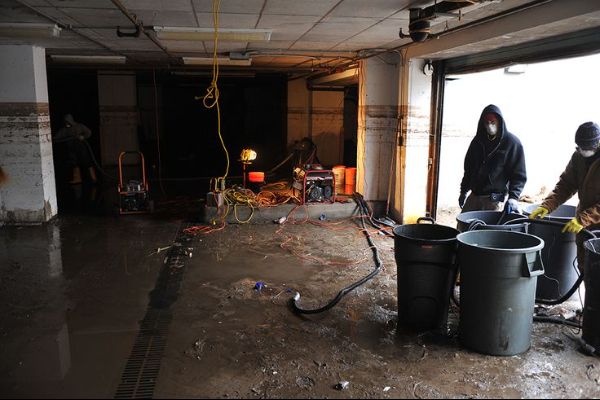
The first 24 to 48 hours after a flood determine how much you lose — and how much you save.
Our IICRC-certified team responds to flood emergencies across Frisco, TX around the clock. We extract water fast, dry your structure completely, and restore your property to pre-flood condition. Call now for immediate response.
Why Frisco Faces Serious Flood Risk Year-Round
Frisco sits in one of the most storm-active corridors in North Texas. The city’s geography, rapid development, and climate patterns combine to create real, recurring flood risk for homeowners and businesses alike.
North Texas Storm Season Is Violent and Unpredictable
The City of Frisco’s own emergency management guidance acknowledges it directly — North Texas is known for ever-changing, violent weather. Lightning, tornadoes, high winds, hail, and flooding are all common byproducts of Collin County thunderstorms. Storms can drop several inches of rain in under an hour. Flash floods develop fast and give little warning.
In May 2024, a severe storm hit Collin County with winds reaching 80 mph and widespread flooding. A flash flood warning covered Frisco through the morning hours. These events are not rare. They happen multiple times per year.
Frisco Participates in FEMA’s National Flood Insurance Program
The City of Frisco participates in FEMA’s National Flood Insurance Program (NFIP) and has adopted floodplain management ordinances limiting development in 100-year floodplain zones. That alone tells you the flood risk here is real enough to require federal program participation.
About 8% of buildings in Frisco carry significant flood risk. In certain census tracts, that number is far higher. Properties near Frisco’s creek corridors, drainage basins, and low-lying areas face elevated exposure every storm season.
Impervious Surfaces Accelerate Runoff
Frisco grew from a small town to a major city in under two decades. That growth means miles of roads, parking lots, rooftops, and driveways — all impervious surfaces that shed rainfall instead of absorbing it. Stormwater systems designed for earlier development levels now handle far greater runoff volumes during heavy rain events. When those systems get overwhelmed, water goes somewhere — and that somewhere is often residential neighborhoods and commercial properties.
Clay Soil Blocks Natural Drainage
Frisco’s reactive clay soil absorbs water slowly. During heavy rain, the clay surface seals off before water can percolate down. Runoff pools quickly on yards, driveways, and low points around foundations. Water finds the path of least resistance — often through doors, window wells, garage floors, and foundation cracks — directly into your home.
Common Causes of Flood Damage in Frisco Homes & Businesses
Flood damage comes from more sources than just storm water outside. These are the most common causes seen across Frisco properties.
Flash Flooding & Storm Surge
Intense North Texas storms dump heavy rainfall in short windows. Storm drains and municipal systems back up. Low-lying streets and neighborhoods flood. Water enters homes through doors, window wells, garage openings, and any gap at grade level.
Burst or Frozen Pipes
Winter freezes hit Frisco harder than most residents expect. Pipes along exterior walls, in unconditioned attics, and in crawlspaces freeze and burst when temperatures drop sharply — as they did during winter storm events in recent years. A single burst pipe releases hundreds of gallons in minutes. That water spreads across floors, soaks walls, and floods lower levels fast.
Water Heater Failures
A 50-gallon water heater that fails releases its full tank immediately — and keeps running if the supply line isn’t shut off. Water heater failures are one of the most common indoor flooding events in Frisco homes.
Roof Leaks After Hail or Wind Damage
Frisco sees significant hail storms every spring. Damaged or missing shingles allow rainwater entry into attics, ceilings, and walls. A roof leak during a prolonged storm event can introduce hundreds of gallons into your home’s structure before the damage becomes visible from inside.
Appliance Failures
Washing machines, dishwashers, refrigerator ice makers, and HVAC condensate lines all fail. A washing machine supply hose that ruptures can flood a laundry room and adjoining rooms in minutes. These events happen without warning.
Sewer & Drain Backups
When city sewer systems are overwhelmed by storm runoff, wastewater reverses into residential lines. Floor drains, toilets, and shower drains become entry points for contaminated water. This is classified as Category 3 black water — the most dangerous flood contamination type. (See our Sewage Cleanup page for full detail on this type of event.)
Foundation & Crawlspace Flooding
Water pooling against your foundation during prolonged rain events eventually finds entry points — cracks, pipe penetrations, and unsealed joints. Crawlspaces flood silently. By the time homeowners notice, mold has often already established in the enclosed space.
HVAC Condensate Line Failures
Air conditioning systems produce condensate that drains through dedicated lines. In Frisco’s hot summers, AC systems run constantly. A clogged or disconnected condensate line can silently release gallons of water into ceilings, walls, and flooring over days before the damage appears.
The True Cost of Delayed Flood Response
Speed is everything after a flood. Here is exactly what happens to your home when water sits untreated.
Within 1 hour: Water penetrates drywall, insulation, and subfloor materials. Hardwood floors begin to swell. Carpet and padding soak through completely.
Within 24 hours: Drywall softens and loses structural integrity. Wood framing begins to warp. Metal surfaces start to rust. Furniture finishes blister and peel. Bacteria begin to multiply in standing water.
Within 48 hours: Mold colonies establish in wet materials. The IICRC defines this as the critical threshold — after 48 hours, flood water contamination escalates and remediation requirements increase significantly. Category 1 clean water degrades toward Category 2 gray water as it absorbs building materials and bacteria.
Within 1 week: Structural framing warps and weakens. Mold spreads through wall cavities and HVAC systems. Floors buckle. Odors become permanent. Remediation costs multiply.
The financial impact: Every day of delay adds cost. Quick response in the first 24 hours consistently produces 30 to 50 percent lower total restoration costs compared to a 72-hour or longer response. A job that costs $4,000 at 24 hours may cost $12,000 at one week — because damage has compounded into structural repairs and mold remediation.
Call for help the moment flooding occurs. Do not wait for the rain to stop.
Understanding Flood Water Categories — Why It Matters for Your Cleanup
Not all flood water is the same. The IICRC S500 Standard classifies water damage by contamination level. That classification determines the cleanup protocol, the safety precautions required, and what materials can be saved versus what must be replaced.
Category 1 — Clean Water
Source: Sanitary supply lines, rain water, appliance overflow with clean water.
Category 1 water carries no immediate health risk. A burst supply pipe, overflowing sink, or rainwater entering through a roof leak falls into this category. Clean water restoration is the most straightforward and least expensive.
Warning: Category 1 water degrades to Category 2 within 24 to 48 hours if untreated. The clock starts the moment flooding begins.
Category 2 — Gray Water
Source: Washing machine discharge, dishwasher overflow, sump pump failure, toilet overflow (urine only).
Category 2 water contains contaminants that can cause illness if ingested or through skin contact. It requires antimicrobial treatment and protective measures during cleanup. Porous materials like carpet and drywall that absorb gray water often require removal.
Category 3 — Black Water
Source: Sewage backup, storm surge, groundwater flooding, river or creek flooding.
Category 3 is the most dangerous. It contains bacteria, viruses, parasites, and hazardous chemicals. Floodwater from storms that has contacted soil, streets, or drainage infrastructure is automatically classified as Category 3 — regardless of appearance.
All porous materials in contact with black water must be removed. This includes carpet, carpet padding, drywall, insulation, and upholstered furnishings. Antimicrobial treatment is required on all remaining surfaces. Category 3 cleanup requires full PPE and biohazard disposal protocols.
Most Frisco storm flooding is Category 2 or Category 3. Water that enters from outside — through doors, storm drains, or ground flooding — contacts contaminated soil and surfaces before reaching your home.
Water Damage Classes — How Much Was Affected
Beyond contamination, the IICRC also classifies damage by the extent of absorption:
- Class 1: Minimal absorption. Water affected a small area with low-porosity materials. Drying is straightforward.
- Class 2: Significant absorption. Water soaked into walls, carpet, and structural materials across a full room.
- Class 3: Entire rooms saturated — ceilings, walls, floors, and insulation. Common in major flooding events.
- Class 4: Specialty drying required. Water absorbed into low-porosity materials like concrete, brick, or hardwood. Requires extended drying time and specialized equipment.
Most Frisco flood events produce Class 2 or Class 3 damage. Knowing the class determines the drying equipment deployed, the timeline, and the total cost.
Immediate Steps to Take After Flooding in Your Frisco Home
What you do in the first 30 minutes shapes the entire restoration outcome.
Step 1 — Stay Safe First
Do not enter a flooded area if you suspect electrical hazards. Standing water conducts electricity. If floodwater reached electrical outlets, panels, or appliances — shut off power at the main breaker before entering. Do not wade through water you cannot see the bottom of. Flood water from outside can carry debris, sharp objects, and contaminants.
Step 2 — Stop the Water Source
If flooding came from inside your home — a burst pipe, appliance failure, or water heater — shut off the main water supply immediately. This stops additional water from entering. Locate your main shutoff valve before an emergency happens.
Step 3 — Call a Flood Cleanup Professional
Call now. Do not spend time moving furniture or mopping floors. Water spreads faster than manual cleanup can address. A professional team with extraction equipment removes far more water in 30 minutes than hours of manual effort.
Step 4 — Document Everything
Before anything is moved or cleaned — take photos and videos of all affected areas. Capture standing water levels, affected rooms, damaged materials, and any visible structural damage. This documentation is the foundation of your insurance claim.
Step 5 — Move Valuables to Dry Areas
If it is safe to do so, move electronics, important documents, photos, and small valuables to dry rooms or upper floors. Do not attempt to move saturated furniture alone — waterlogged pieces are extremely heavy and structurally compromised.
Step 6 — Ventilate Carefully
Open windows and doors in unaffected areas to improve airflow. Do not run ceiling fans directly over standing water. Do not use a standard household vacuum on standing water. Do not use portable heaters — they can accelerate mold growth by warming a wet environment.
Our Flood Damage Cleanup Process in Frisco, TX
Every flood cleanup follows the IICRC S500 Standard — the definitive professional protocol for water damage restoration. Here is the full process from arrival to final clearance.
Step 1 — Emergency Response & Arrival
We respond 24 hours a day, 7 days a week — including holidays. Our target response time across Frisco is under 60 minutes for emergency flood calls. Crews arrive with fully loaded vehicles carrying extraction equipment, drying systems, and assessment tools. We do not triage remotely and schedule for the next day. We come now.
Step 2 — Damage Assessment & Moisture Mapping
Technicians conduct a full property assessment on arrival. We use:
- Moisture meters to measure water content in walls, floors, ceilings, and structural materials
- Thermal imaging cameras to identify hidden moisture behind surfaces and in wall cavities
- Hygrometers to measure ambient humidity throughout affected areas
This assessment maps the full extent of moisture damage — including areas that appear dry but are wet beneath the surface. It forms the foundation of your drying plan and insurance documentation.
Step 3 — Water Extraction
Industrial truck-mounted and portable extraction units remove standing water far faster than any consumer equipment. Depending on volume, this step takes 30 minutes to several hours. We extract water from:
- Hard floor surfaces (tile, hardwood, concrete)
- Carpet and padding
- Crawlspaces and below-grade areas
- HVAC systems when flooded
Extraction removes the bulk water. It does not complete drying — that requires the next phase.
Step 4 — Contaminated Material Removal
Based on the water category and the material type, affected porous materials must be removed. This step protects against hidden mold growth and prevents ongoing contamination.
Materials typically requiring removal after Category 2 or 3 flooding:
- Carpet and carpet padding — absorb contaminants at a cellular level
- Drywall — cut to 12–24 inches above the water line to remove saturated sections
- Insulation — loses all R-value when wet and cannot be reliably dried in place
- Baseboards and trim — trap moisture against walls
- Subfloor materials — if moisture penetration reached through flooring
Hardwood floors, tile, and concrete may be retained with aggressive drying when water category allows. Your technician assesses each material individually.
Step 5 — Structural Drying & Dehumidification
This is the most time-critical phase. Industrial air movers and commercial dehumidifiers run continuously — often 24 hours a day — until structural moisture readings return to baseline levels set by the IICRC S500 drying goals.
Equipment deployed in this phase includes:
- High-velocity air movers — accelerate evaporation from structural surfaces
- Commercial LGR dehumidifiers (low-grain refrigerant) — remove moisture from the air at high efficiency
- Desiccant dehumidifiers — for extreme humidity or cold weather drying conditions
- Injectidry wall drying systems — direct airflow into wall cavities for in-place structural drying
- Drying mats — for hardwood floors when in-place drying is attempted
Moisture readings are recorded daily. Drying is not complete until all structural materials reach target moisture levels — not simply when surfaces feel dry to the touch.
Most residential flood jobs require 3 to 5 days of continuous drying. Class 3 or Class 4 damage with deep structural absorption may require 7 to 10 days.
Step 6 — Antimicrobial Treatment & Sanitization
After water removal and drying, all affected surfaces receive treatment with EPA-registered antimicrobial and antibacterial agents. This step eliminates bacteria, mold spores, and biological contaminants from surfaces and materials.
For Category 2 and Category 3 flood events, antimicrobial treatment is not optional. It is a required step under IICRC S500 protocols. Standard household cleaners are not adequate for this purpose.
Step 7 — Odor Elimination
Flood events leave behind persistent odors from wet materials, bacteria, and organic decomposition. We deploy:
- Hydroxyl generators — neutralize odor molecules in the air and on surfaces
- Thermal foggers — penetrate porous materials to eliminate embedded odors
- Ozone treatment — for severe odor cases in vacated spaces
We eliminate odors at the source — not with masking agents that return within days.
Step 8 — Mold Prevention Monitoring
Mold begins establishing within 24 to 48 hours of water exposure. During the drying phase, we monitor moisture levels and apply additional antimicrobial treatment if readings suggest mold-risk conditions persist. Post-drying clearance confirms that moisture levels are below the threshold where mold growth occurs.
If mold has already established before cleanup began — a separate mold remediation protocol is initiated. (See our Mold Removal page for the complete process.)
Step 9 — Restoration & Reconstruction
After drying clearance, reconstruction begins. We restore your property to pre-flood condition — handling all repair work through one team with one point of contact.
Restoration services include:
- Drywall replacement and finishing
- Flooring installation — tile, hardwood, laminate, carpet
- Insulation replacement
- Painting and trim restoration
- Cabinetry repair or replacement
- Structural framing repairs when required
We manage the entire process — from the first extraction pump to the final coat of paint.
Step 10 — Final Documentation & Clearance
Every job closes with a written clearance report including moisture readings at all monitoring points, drying logs, photographic documentation, and a scope of completed work. This documentation goes directly to your insurance adjuster — organized and ready for claim processing.
Flood Damage Cleanup Cost in Frisco, TX
Cost depends on flood source, water category, affected area, and how fast cleanup begins. Here is a clear breakdown of current Frisco market pricing.
Cost by Flood Source
| Flood Type | Typical Cost Range |
|---|---|
| Minor appliance overflow (small area) | $1,500 – $3,500 |
| Burst pipe — single room | $2,000 – $5,000 |
| Burst pipe — multiple rooms | $5,000 – $12,000 |
| Storm flooding — partial first floor | $4,000 – $10,000 |
| Storm flooding — full first floor | $8,000 – $20,000 |
| Basement or crawlspace flooding | $3,000 – $15,000 |
| Roof leak with attic/ceiling flooding | $3,000 – $8,000 |
| Severe multi-room Category 3 event | $10,000 – $40,000+ |
Cost Per Square Foot
- Category 1 clean water: $3.75 – $7.00 per sq ft
- Category 2 gray water: $7.00 – $10.00 per sq ft
- Category 3 black water: $10.00 – $12.00+ per sq ft
What Drives the Final Cost
- Water category — black water cleanup costs more due to biohazard protocols
- Size of affected area — square footage of flooded space
- Materials damaged — hardwood and tile restoration costs differ from carpet replacement
- Structural damage — warped framing, damaged subfloor, or compromised foundation add cost
- Mold presence — a secondary mold remediation adds $1,500 to $6,000 depending on scope
- Response time — every 24-hour delay increases restoration cost and scope significantly
Does Insurance Cover Flood Damage?
This question has two very different answers depending on flood source.
Homeowner’s insurance typically covers:
- Burst pipes and plumbing failures
- Appliance overflow and water heater failures
- Roof leaks from storm damage
- HVAC condensate failures
Homeowner’s insurance typically does NOT cover:
- Natural flooding from storms, rising water, or overland flow
- Groundwater seeping through foundations
- Flash flooding from outside the home
For natural flood damage, you need a separate flood insurance policy through FEMA’s National Flood Insurance Program (NFIP) or a private flood insurer. Frisco participates in the NFIP. If you live in or near a designated floodplain, lenders may require this coverage.
Review both your homeowner’s policy and any flood policy before storm season. Know your coverage before you need it. Our team provides complete documentation to support your claim under either policy type.
Residential vs. Commercial Flood Cleanup in Frisco
Flood damage hits homes and businesses differently. The core restoration process is the same — but scale, urgency, and business continuity stakes change the approach.
Residential Flood Cleanup
For Frisco homeowners, flood cleanup is deeply personal. Your family’s safety, your belongings, and your largest financial asset are all at risk. Our residential team focuses on:
- Fast response to minimize displacement time
- Protecting and salvaging personal belongings and contents when possible
- Communicating clearly at every step — you know what is happening and why
- Full insurance documentation for hassle-free claims
- Complete restoration — your home returns to exactly the condition it was in before
Common residential flood sources in Frisco: burst pipes in winter freezes, appliance failures, storm water intrusion through doors and garage floors, roof damage from hail, and HVAC condensate failures in summer.
Commercial Flood Cleanup
Every hour a Frisco business is closed costs revenue. Flood damage in a commercial space also creates liability — especially in restaurants, retail environments, medical facilities, and multi-tenant office buildings.
Commercial flood cleanup priorities:
- Immediate response to minimize business interruption
- Containment of affected zones to keep unaffected areas operational
- After-hours and weekend work when possible to avoid closing during business hours
- Coordination with building management, tenants, and insurance adjusters
- Full OSHA and health department compliance documentation
Commercial jobs in Frisco’s restaurant districts near The Star, retail corridors along Preston Road and the Dallas North Tollway, and multi-story office buildings near Frisco Square require experienced crews with commercial-grade equipment. Volume, scope, and documentation requirements all exceed residential jobs.
DIY Flood Cleanup — What Works and What Causes More Damage
Some steps are safe for homeowners before professionals arrive. Others cause permanent damage.
What You Can Do Safely
- Shut off the water supply if the flood came from a pipe or appliance
- Turn off the main electrical breaker if water reached outlets or panels
- Move valuables and electronics to dry areas before water reaches them
- Document with photos and video before touching anything
- Open windows and interior doors in dry rooms to improve airflow
What Makes the Damage Worse
Using household fans on wet areas — fans push humid air into walls and increase moisture content in materials. Without dehumidification, fans spread moisture rather than removing it. This accelerates mold growth.
Renting a consumer wet-dry vacuum — consumer vacuums lack the power to extract water from carpet padding, subfloor materials, or wall cavities. Surface extraction without structural drying leaves moisture in place for mold to establish.
Bleaching Category 3 water areas — household bleach does not penetrate porous materials. It discolors the surface while leaving bacteria and mold spores active inside the material.
Drying in place without moisture testing — materials can feel dry on the surface while remaining wet inside. Without moisture meters confirming baseline readings, restoration is incomplete. Mold establishes in seemingly dry walls within days.
Waiting to call — the single most costly mistake. Every additional hour of water contact deepens damage, elevates contamination category, and increases total restoration cost.
Flood Prevention Tips for Frisco Homeowners
You cannot stop a major storm. But these steps reduce your flood risk significantly.
Know Your Property’s Flood Zone
Check FEMA’s Flood Map Service Center for your address. Know whether any portion of your property falls within a designated floodplain. Frisco’s Flood Insurance Rate Maps identify properties near the 100-year floodplain. Even properties outside flood zones face flash flood risk from rapid runoff.
Grade Your Yard Away From the Foundation
Soil should slope away from your home’s foundation on all sides — at least 6 inches of drop over the first 10 feet. Flat or inward-sloping grades direct water toward the foundation during rain events. Re-grading the yard is far cheaper than a flooded home.
Clean Gutters and Downspouts Every Season
Clogged gutters overflow and direct water against the foundation and through fascia into the attic. Clean gutters at least twice per year — fall and spring. Extend downspouts at least 4 feet away from the foundation to direct water away from the home.
Install Window Well Covers
Basement and below-grade window wells collect water during storms. Unsealed or uncovered window wells become entry points during heavy rain. Install clear polycarbonate covers that allow light in while keeping rain out.
Seal Foundation Cracks
Even hairline cracks in a concrete foundation allow water entry under hydrostatic pressure during heavy rain. Inspect your foundation annually. Seal visible cracks with hydraulic cement or epoxy injection. Address any crack larger than 1/4 inch immediately.
Install a Sump Pump with Battery Backup
If your home has a basement or crawlspace at risk of groundwater flooding, a sump pump is your primary defense. Standard sump pumps fail when power goes out — exactly when you need them most during a storm. Install a battery backup system that activates automatically during power outages.
Winterize Pipes Before Cold Snaps
Freeze events are more common in Frisco than many residents plan for. Insulate pipes along exterior walls, in attics, and in crawlspaces before temperatures drop. Know where your main water shutoff is. If pipes freeze, shut the water off before they thaw to prevent a burst-pipe flood.
Consider Flood Insurance
If you live near a creek corridor, drainage basin, or low-lying area in Frisco — talk to your insurance agent about a separate flood policy through FEMA’s NFIP or a private insurer. Standard homeowner policies do not cover natural flood damage. The premium for flood coverage in lower-risk areas is often far less than one flood claim.
Why Choose Us for Flood Damage Cleanup in Frisco, TX
Flood response quality varies widely. Here is what separates a certified restoration team from a general contractor with a wet vac.
IICRC-Certified Water Damage Restoration Technicians
The IICRC (Institute of Inspection, Cleaning and Restoration Certification) S500 Standard is the definitive guide for professional water damage restoration. Certified technicians follow evidence-based protocols for contamination classification, structural drying goals, antimicrobial treatment, and post-restoration verification. Always ask for current IICRC certification before hiring any flood restoration company.
True 24/7 Emergency Response
Floods do not happen during business hours. A company with real 24/7 response gets crews on site within the hour — not first thing in the morning. Fast extraction in the first hour saves structure, materials, and thousands of dollars in secondary damage costs.
Industrial-Grade Equipment
Professional flood restoration uses equipment not available to consumers or general contractors:
- Truck-mounted extraction units pulling hundreds of gallons per minute
- LGR and desiccant dehumidifiers rated for commercial volumes
- Injectidry systems for in-wall structural drying
- Thermal imaging cameras for hidden moisture mapping
- Hydroxyl generators for molecular-level odor elimination
Complete Insurance Documentation
Flood claims are complex. A qualified restoration company provides moisture logs, daily drying records, photographic documentation, itemized scopes of work, and written clearance reports. This paperwork is what turns a flood into a paid insurance claim — not an out-of-pocket disaster.
One Team, Full Service
We handle everything — water extraction, drying, material removal, antimicrobial treatment, mold prevention, reconstruction, and contents restoration. You do not coordinate multiple contractors. One call handles the entire job.
Serving All Frisco and Surrounding North Texas
- Frisco zip codes: 75033, 75034, 75035, 75036
- Nearby service areas: The Colony, McKinney, Prosper, Little Elm, Plano, Allen, Celina, Denton
Frequently Asked Questions About Flood Cleanup in Frisco
How fast should flood cleanup start after a water event?
Start within the first hour if possible. Absolutely within 24 hours. After 48 hours, mold establishes in wet materials and contamination categories escalate. Restoration costs increase significantly with every additional 24 hours of delay. Call the moment flooding occurs — before the event is even over.
How long does flood damage restoration take?
Most residential flood jobs take 5 to 10 days from the first extraction to final restoration clearance. Structural drying alone takes 3 to 5 days of continuous equipment operation. Reconstruction adds 1 to 2 weeks for moderate damage. Severe flooding with structural repairs or mold remediation can take 3 to 6 weeks.
Can I stay in my home during flood restoration?
For small, contained events in one room or area — yes, if the rest of the home is unaffected. For larger events involving multiple rooms, significant contamination, or whole-floor flooding — you should relocate temporarily. Running industrial drying equipment generates heat, noise, and disturbs normal daily life. For Category 3 contamination events, relocation during cleanup is strongly recommended for health reasons.
Does homeowner’s insurance cover storm flooding?
Not automatically. Homeowner’s policies cover sudden internal flooding events — burst pipes, appliance failures, and roof leaks from storm damage. They do not cover natural flooding from storm runoff, rising water, or groundwater entry. Natural flood damage requires a separate flood insurance policy through FEMA’s NFIP or a private insurer.
Can flood-damaged hardwood floors be saved?
Sometimes. Hardwood floors that are dried quickly with moisture content restoration and professional equipment can often be saved. The success depends on wood species, finish type, how long water contacted the floor, and water category. Category 1 water on solid hardwood caught within 12 to 24 hours has a reasonable chance of restoration. Category 3 water or prolonged soaking usually requires replacement.
What is the difference between water damage restoration and flood damage cleanup?
They describe the same service in different contexts. Water damage restoration is the broader category — it covers all water intrusion events including pipe leaks, appliance failures, and flooding. Flood damage cleanup specifically refers to water intrusion events from storm surge, rising water, or rapid accumulation of stormwater. The cleanup protocols are the same. The insurance coverage rules differ significantly.
How do I know if mold started growing after a flood?
Visible signs include dark patches or fuzzy growth on walls and surfaces. Less visible signs include a persistent musty odor, worsening allergy symptoms, and soft or discolored drywall. In Frisco’s humid climate, mold establishes within 24 to 48 hours of water exposure. If cleanup did not begin within 48 hours of a flood event — assume mold assessment is needed before restoration continues.
What should I do if storm flooding contains sewage?
Evacuate the area immediately. Do not touch, wade through, or attempt to clean Category 3 black water yourself. The pathogens in sewage-contaminated floodwater cause serious illness. Call for professional biohazard cleanup. Our team handles Category 3 sewage events with full PPE, biohazard extraction protocols, and EPA-registered antimicrobial treatment.
Get Emergency Flood Cleanup in Frisco Right Now
Every minute counts after a flood.
Water spreads. Contamination escalates. Mold starts. Structural damage deepens. The longer you wait, the more you lose — and the more you pay.
Frisco’s storm season is real. Flash floods, burst pipes, and appliance failures hit homes and businesses across Collin County every year. When they hit yours, you need a certified team on site within the hour — not a voicemail and a next-day appointment.
Our IICRC-certified flood cleanup team covers all of Frisco and surrounding North Texas. We respond fast, extract completely, dry to IICRC standards, and restore your property to pre-flood condition — with full insurance documentation every step of the way.
What you get when you call:
- Emergency response — average arrival under 60 minutes in Frisco
- 24/7/365 availability including holidays and weekends
- IICRC S500 certified water damage restoration
- Industrial extraction and structural drying equipment
- EPA-registered antimicrobial treatment
- Complete moisture mapping and drying documentation
- Mold prevention monitoring throughout the process
- Full reconstruction through one team
- Insurance claim documentation support
Do not let standing water sit another hour. Call now.
📞 [Your Phone Number] 📋 [Book Emergency Service / Free Assessment Button]
Serving Frisco, TX — zip codes 75033, 75034, 75035, 75036 — and surrounding North Texas communities including The Colony, McKinney, Prosper, Little Elm, Plano, Allen, Celina, and Denton.