Sewage Cleanup Frisco, TX — Emergency Biohazard Removal & Restoration
Sewage backup is not a cleanup job. It is a biohazard emergency.
Raw sewage carries bacteria, viruses, and pathogens that cause serious illness. It soaks into drywall, flooring, and insulation within minutes. Every hour you wait makes the damage worse and the cleanup more expensive.
Our IICRC-certified team responds 24/7 across Frisco, TX. We remove contaminated water, sanitize affected areas, and restore your property to safe, pre-loss condition. Call now — this cannot wait.
Why Sewage Backup Is Frisco’s Most Dangerous Home Emergency
Most water damage is unpleasant. Sewage backup is dangerous.
The restoration industry classifies water damage into three categories. A sewage backup falls under Category 3 — Black Water. This is the highest level of contamination. The IICRC S500 Standard defines Category 3 water as water containing pathogenic, toxigenic, or harmful agents that pose a substantial health risk.
One milliliter of raw sewage can contain over one million bacteria. That includes E. coli, Salmonella, Hepatitis A, Norovirus, and Rotavirus. These pathogens cause gastrointestinal illness, skin infections, respiratory problems, and in severe cases — life-threatening conditions.
Black water does not stay in one place. It wicks into porous materials immediately. Carpet, drywall, insulation, wood framing — all absorb contamination deep beneath the surface. Surface cleaning does not fix this. It only masks the problem.
Frisco homeowners face this risk more than most realize. The city sits in the Dallas-Fort Worth metro area. It deals with heavy spring storms, clay soil that shifts sewer lines, and a mix of older and newer construction — each with its own failure points. A single backup event can render a room, floor, or entire level of your home uninhabitable within hours.
This is not a situation for DIY cleanup. It requires professional biohazard remediation.
Common Causes of Sewage Backup in Frisco, TX
Understanding the cause stops the next backup from happening. These are the most frequent culprits in Frisco homes and commercial properties.
Clogged Sewer Lines
Grease, hair, food waste, and debris build up in drain pipes over time. A partial clog slows drainage. A full clog forces sewage backward into the home through toilets, sinks, and floor drains. This is the most common cause of residential sewage backup.
Tree Root Intrusion
Frisco’s mature neighborhoods have well-established trees. Roots search for moisture underground and find sewer lines. They infiltrate pipe joints and cracks, growing inside the line until flow stops completely. Root intrusion is a leading cause of sewer line failure across North Texas.
Aging or Corroded Pipes
Homes built in the 1980s and 1990s in older Frisco neighborhoods may still have original cast iron or Orangeburg sewer lines. Cast iron corrodes from the inside as hydrogen sulfide gases eat through pipe walls. Orangeburg pipe — a compressed wood fiber product — was never designed to last beyond 50 years. Both fail without warning.
Heavy Rainfall and Storm Surge
Frisco experiences intense spring storms. During heavy rainfall, city sewer systems can exceed capacity. When the municipal line becomes overwhelmed, sewage pushes back through residential connections into homes. This is called a sanitary sewer overflow (SSO) — and it hits fast.
Clay Soil Movement
North Texas clay soil expands when wet and contracts when dry. This ground movement shifts and cracks underground sewer lines over time. A cracked line allows sewage to escape into the soil — and eventually back into your home.
Flushing Non-Flushable Items
Wipes labeled “flushable” are not safe for residential plumbing. Paper towels, feminine products, and other debris cause blockages deep in the line. These blockages build slowly and fail suddenly.
Collapsed Sewer Lines
Aging pipes, soil pressure, and corrosion eventually cause full pipe collapse. A collapsed line creates a total blockage. Sewage has nowhere to go except back into the property.
Health Risks of Sewage Exposure — What Frisco Residents Need to Know
Sewage backup is a health emergency first. Property damage comes second.
The Centers for Disease Control and Prevention (CDC) links sewage exposure to a range of serious infectious diseases. The EPA recommends immediate evacuation of affected areas and professional remediation.
Bacterial Pathogens
Raw sewage contains dangerous bacteria including:
- E. coli — causes severe gastrointestinal infection
- Salmonella — causes fever, diarrhea, vomiting, and dehydration
- Leptospira — causes Weil’s disease, which can lead to organ failure
- MRSA — antibiotic-resistant skin and bloodstream infections
Viral Contaminants
- Hepatitis A — transmitted through contact with fecal matter; attacks the liver
- Norovirus — highly contagious; causes severe vomiting and diarrhea
- Rotavirus — dangerous for children and elderly; causes acute gastroenteritis
Airborne Dangers
Disturbing sewage during improper cleanup releases bioaerosols into the air. These are microscopic particles carrying live pathogens. The CDC confirms bioaerosols increase respiratory exposure risk — especially for children, elderly adults, and anyone with a compromised immune system.
Secondary Mold Growth
Sewage water contains moisture that drives aggressive mold growth. Mold colonies establish within 24 to 48 hours of sewage exposure. Black water-affected areas that dry without proper treatment almost always develop mold inside walls and under floors.
Who Faces the Highest Risk
- Children under 12
- Adults over 65
- Pregnant women
- Anyone with a weakened immune system or respiratory condition
Keep all people and pets away from sewage-affected areas. Do not attempt to clean or enter the space without full PPE — rubber boots, gloves, eye protection, and an N-95 respirator at minimum.
Immediate Steps to Take After a Sewage Backup in Frisco
Act fast. The first 30 minutes matter most.
Step 1 — Evacuate the Area
Get everyone — including pets — out of the contaminated area immediately. Close all doors to affected rooms. This limits airborne contamination from spreading into unaffected areas of the home.
Step 2 — Shut Off the Water
Stop using all plumbing fixtures in the home. Do not flush toilets, run sinks, or use the shower. Additional water use adds pressure and worsens the backup.
Step 3 — Turn Off the HVAC System
Your heating and cooling system circulates air throughout every room. Running the HVAC after a sewage backup spreads airborne pathogens and spores to clean areas. Turn it off at the thermostat or breaker panel immediately.
Step 4 — Cut Power to Affected Areas
If sewage water has reached electrical outlets, panels, or appliances — do not touch them. Turn off the circuit breaker for the affected zone before any water contact. Call an electrician if you are unsure.
Step 5 — Document the Damage
Take photos and videos of all affected areas before cleanup begins. Photograph the sewage source, affected flooring, walls, furniture, and personal belongings. This documentation supports your insurance claim.
Step 6 — Call a Certified Sewage Cleanup Professional
This is not optional. Category 3 black water requires biohazard-trained technicians, specialized equipment, and EPA-registered antimicrobial treatments. DIY cleanup spreads contamination, misses hidden pathogens, and may void your insurance coverage.
Call now for 24/7 emergency sewage cleanup in Frisco.
Our Sewage Cleanup Process in Frisco, TX
Every sewage cleanup job follows the IICRC S500 standard — the industry’s highest protocol for Category 3 contaminated water. Here is exactly what the process looks like from start to finish.
Step 1 — Emergency Response & Assessment
Our team arrives within hours of your call — day or night, weekends included. Technicians wear full PPE upon arrival. The first task is a complete damage assessment. We identify the sewage source, map the contamination spread, and check for hidden moisture behind walls and under floors using moisture meters and thermal imaging cameras.
Step 2 — Containment
We set up physical containment barriers using heavy-duty plastic sheeting and negative air pressure machines. This isolates the affected zone from clean areas of the property. All HVAC systems remain off during this phase. Without containment, airborne pathogens move freely to unaffected rooms.
Step 3 — Sewage Extraction
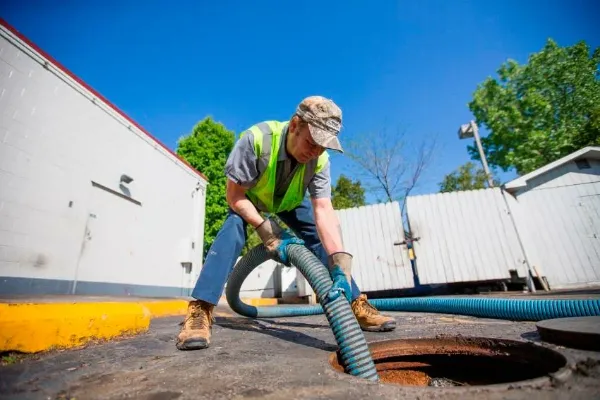
Industrial-grade pumps and wet vacuums remove standing sewage water. This equipment extracts far more than any consumer-grade shop vac or mop. All extracted sewage water goes into sealed containers and gets disposed of following Texas state regulations. It cannot be discharged into storm drains or yard drainage.
Step 4 — Removal of Contaminated Materials
Any porous material that contacted black water must come out. This is non-negotiable. Porous materials absorb contamination at a cellular level — surface cleaning cannot remove it.
Materials that typically require removal include:
- Carpet and carpet padding
- Drywall and gypsum board
- Insulation (fiberglass and foam)
- Baseboards and trim
- Upholstered furniture
- Subfloor materials when soaked through
Wood framing and concrete get treated and scrubbed — not automatically demolished. Non-porous hard surfaces can be disinfected and retained when contamination has not soaked in.
Step 5 — Antimicrobial Treatment & Disinfection
Every remaining surface in the affected zone receives treatment with EPA-registered antimicrobial and disinfectant agents. Household bleach is not sufficient for Category 3 contamination. Professional-grade biocides penetrate surface pores and kill pathogens that bleach cannot reach.
Walls, flooring, framing, fixtures, and concrete all get treated. This step eliminates bacteria, viruses, and mold spores from every surface.
Step 6 — Structural Drying & Dehumidification
After removal and disinfection, the area needs to dry completely. We deploy industrial air movers and commercial dehumidifiers. Moisture meters track progress in real time. The goal is to bring structural moisture levels back to pre-loss baselines. Skipping this step leads directly to mold growth within days.
Step 7 — Deodorization
Sewage leaves behind persistent odor-causing compounds in the air and on surfaces. We use hydroxyl generators and thermal fogging equipment to neutralize these compounds at the molecular level. This eliminates the odor permanently — not just masks it.
Step 8 — Restoration & Repairs
Once the area is clean, dry, and cleared, reconstruction begins. We replace removed drywall, install new flooring, repaint, and restore the space to its pre-loss condition. Minor jobs may take one to two days. Larger restorations involving structural elements can take one to two weeks.
Step 9 — Post-Remediation Clearance Testing
A final inspection confirms that contamination levels have returned to safe baselines. We provide a written clearance report — documentation for your insurance company and a record that the remediation was completed to professional standards.
Sewage Cleanup Cost in Frisco, TX
Costs vary widely depending on the severity, location, and scope of the backup. Here is an honest breakdown based on current 2025 industry data.
| Category | Service | Cost |
|---|---|---|
| Inspection & Assessment | Initial assessment | $150 – $400 |
| Moisture mapping & thermal imaging | Included in most assessments | |
| Sewage Extraction & Cleanup | Small backup (single bathroom or drain) | $2,000 – $4,000 |
| Moderate backup (multiple rooms/partial floor) | $4,000 – $8,000 | |
| Severe backup (full floor/basement/commercial) | $8,000 – $15,000+ | |
| Material Removal & Disposal | Drywall removal and disposal | $1 – $3 per sq. ft. |
| Carpet removal and disposal | $1 – $2 per sq. ft. | |
| Subfloor replacement | $3 – $10 per sq. ft. |
Structural Drying
- Commercial drying equipment rental per day: $200 – $600
- Most residential drying takes 3–5 days
Restoration & Repairs
- Minor repairs (drywall, paint, trim): $500 – $2,500
- Moderate restoration (flooring, drywall, fixtures): $2,500 – $8,000
- Major reconstruction: $8,000 – $25,000+
What Drives the Final Cost
- Volume of sewage — larger backups cost more to extract and dispose of
- Area affected — one bathroom versus an entire basement
- Materials contaminated — carpet and drywall cost more to replace than tile
- Time elapsed — the longer sewage sits, the deeper contamination spreads
- Mold presence — a secondary mold remediation adds cost if cleanup was delayed
Does Insurance Cover Sewage Cleanup?
Many homeowner policies in Texas cover sewage backup damage, but coverage often requires a separate endorsement — not standard in every policy. Policies triggered by sudden, covered events like a burst pipe or municipal sewer failure typically qualify. Gradual neglect or maintenance failures may not.
Important: DIY cleanup attempts can void your insurance coverage entirely. Insurers require professional documentation and certified remediation for Category 3 claims. Always call a professional before touching anything.
Review your policy carefully. Work with your restoration company to document every step for your adjuster.
Residential vs. Commercial Sewage Cleanup in Frisco
Sewage backup affects both homes and businesses. The health risks are identical — but the urgency and stakes differ significantly.
Residential Sewage Cleanup
Home sewage backups most often occur in:
- Basement floor drains during heavy rain
- Ground-floor bathrooms after main line blockage
- Under kitchen sinks from grease-clogged lines
- Laundry rooms after washing machine drain failures
- Crawlspaces from cracked or collapsed sewer lines
Families cannot live safely in a home with active sewage contamination. Fast remediation protects health, prevents mold, and preserves property value.
Commercial Sewage Cleanup
Businesses face additional pressure. Every hour of closure costs revenue. Sewage in a commercial space also creates regulatory and liability exposure — especially in food service, healthcare, childcare, and retail environments.
Commercial jobs require:
- After-hours or weekend work to minimize business disruption
- Rapid containment to isolate the affected zone
- Detailed documentation for health department inspectors
- Compliance with Texas Commission on Environmental Quality (TCEQ) disposal regulations
Whether the property is a single-family home in Stonebriar or a multi-tenant commercial building near the Dallas North Tollway — the response protocol is the same: fast, certified, and thorough.
DIY Sewage Cleanup — Why It Makes Things Worse
The internet has no shortage of DIY sewage cleanup guides. Most of them are dangerous.
What DIY Misses
Household cleaners like bleach kill surface bacteria. They do not penetrate drywall, subfloor materials, or insulation. Black water contamination absorbs into porous materials within minutes. Wiping a surface clean does not remove the pathogens inside the material.
DIY cleanup also misses hidden contamination. Sewage wicks upward into wall cavities through capillary action. A flooded bathroom floor often means contamination exists 12 to 18 inches up the drywall — invisible from the surface.
DIY Spreads Contamination
Scrubbing and mopping without containment pushes contaminated water to clean areas. Walking through the affected zone without PPE tracks pathogens across the home. Running fans without HEPA filtration spreads bioaerosols into every room through the air.
DIY Voids Insurance
Most homeowner insurance policies require professional, certified remediation for Category 3 water damage claims. Attempting DIY cleanup before calling your insurer can void your coverage — leaving you responsible for the full cost of professional remediation plus repairs.
When DIY Is Acceptable
DIY is only appropriate for Category 1 clean water spills — a broken supply line or overflowing sink with sanitary water, under 10 square feet, caught within the first hour. Any toilet overflow, sewer backup, or drain backup from the main line is Category 2 or Category 3. It requires professional response.
Sewage Backup Prevention for Frisco Homeowners
You cannot prevent every backup. But these steps significantly reduce your risk.
Install a Backwater Prevention Valve
A backwater valve (also called a sewer backflow preventer) installs on your home’s main sewer line. It allows sewage to flow out but automatically closes if flow reverses. This device prevents municipal sewer surges from flooding your home during heavy storms. It is one of the most cost-effective protections available to Frisco homeowners.
Schedule Annual Sewer Camera Inspections
A sewer camera inspection sends a video camera through your main line. Technicians spot tree root intrusion, pipe cracks, grease buildup, and partial blockages before they cause a full backup. Annual inspections cost $150 to $350. A single backup costs thousands. The math is simple.
Never Pour Grease Down the Drain
Hot grease cools and hardens in your pipes. It accumulates layer by layer until the line partially — then fully — blocks. Pour cooled grease into a container and throw it in the trash. Wipe greasy pans with a paper towel before washing.
Stop Flushing Non-Flushable Items
Only flush toilet paper. “Flushable” wipes, paper towels, cotton balls, and feminine products cause blockages in residential lines. No exceptions.
Maintain Trees Near Sewer Lines
Know where your sewer lines run. Avoid planting large trees above or near them. If mature trees already grow near the line, schedule hydro-jetting every two to three years to clear root intrusion before it causes a blockage.
Clean Floor Drains Annually
Basement and utility room floor drains often go unnoticed. Pour a bucket of water down them annually to keep the P-trap filled. A dry trap allows sewer gases and pests to enter the home through the drain.
Add Sewage Backup Coverage to Your Policy
Standard homeowner policies in Texas often exclude sewage backup damage. A sewage backup endorsement typically costs $40 to $100 per year. One backup event without coverage can cost $5,000 to $15,000 out of pocket. Talk to your insurer today.
Why Choose Us for Sewage Cleanup in Frisco, TX
Not every restoration company is equipped for Category 3 biohazard cleanup. Here is what separates a qualified sewage cleanup company from a standard water damage crew.
IICRC Certification in Water Damage Restoration
The IICRC (Institute of Inspection, Cleaning and Restoration Certification) sets the professional standard for sewage and Category 3 water cleanup. Certified technicians follow the IICRC S500 protocol — the industry’s definitive guide for contaminated water remediation. Always verify your contractor holds current IICRC certification.
Biohazard Training & Full PPE
Sewage cleanup requires more than mops and buckets. Certified technicians wear full personal protective equipment — including Tyvek suits, respirators, face shields, and chemical-resistant gloves. Without proper PPE, technicians spread contamination and expose themselves to serious illness.
Industrial Equipment
Professional sewage cleanup uses equipment homeowners cannot access. This includes:
- Truck-mounted extraction units
- Negative air pressure machines
- HEPA air scrubbers
- Thermal imaging cameras
- Commercial dehumidifiers and air movers
- Hydroxyl generators for odor elimination
24/7 Emergency Response
Sewage backups do not happen on business hours. A company offering true 24/7 response arrives within hours — not the next morning. Fast response in the first 24 hours dramatically limits contamination spread, material loss, and total remediation cost.
Insurance Documentation Support
Proper documentation is the difference between a covered claim and an out-of-pocket disaster. A qualified company provides photo documentation, written scope reports, moisture logs, and clearance testing results — everything your adjuster needs to process the claim.
Serving All of Frisco and Surrounding North Texas
- Frisco zip codes: 75033, 75034, 75035, 75036
- Nearby service areas: The Colony, McKinney, Prosper, Little Elm, Plano, Celina, Allen, Denton
Frequently Asked Questions About Sewage Cleanup in Frisco
How fast does sewage contamination spread?
Sewage water wicks into porous materials within minutes of contact. Mold growth begins within 24 to 48 hours. The longer sewage sits, the deeper the contamination penetrates — and the higher the remediation cost. Call a professional immediately.
Can I stay in my home during sewage cleanup?
For small, well-contained backups in one isolated area, you may stay if the affected zone is properly sealed. For larger backups involving multiple rooms or an entire floor, you should relocate until clearance testing confirms the space is safe. Your remediation team advises you based on the scope.
How long does sewage cleanup take in Frisco?
Most residential jobs take 3 to 7 days from extraction to final clearance. Small, single-room backups may finish in 1 to 2 days. Larger restorations involving structural repairs and flooring replacement can take 1 to 3 weeks.
Does homeowner’s insurance cover sewage backup in Texas?
Coverage depends on your specific policy. Sewage backup coverage is often a separate endorsement — not included in standard homeowner policies. Call your insurer as soon as the backup occurs. Document everything before any cleanup begins.
What pathogens are in sewage water?
Raw sewage contains bacteria (E. coli, Salmonella, Leptospira), viruses (Hepatitis A, Norovirus, Rotavirus), and parasites (Giardia, Cryptosporidium). These pathogens cause gastrointestinal illness, liver disease, skin infections, and respiratory problems. Exposure requires immediate medical attention if symptoms develop.
Can sewage-affected drywall be saved?
No. Drywall is a porous material. Once it contacts Category 3 black water, it absorbs contamination that cannot be removed by cleaning. Sewage-affected drywall must be cut out and replaced. Attempting to dry or bleach it in place leaves active contamination inside the wall cavity.
What is the difference between sewage cleanup and water damage restoration?
Standard water damage frisco restoration handles Category 1 and Category 2 water — clean water and moderately contaminated water. Sewage cleanup is Category 3 biohazard remediation. It requires additional training, full PPE, biohazard disposal protocols, and EPA-registered antimicrobial treatments. Not all water damage companies are certified for Category 3 work. Always confirm IICRC S500 certification before hiring.
How do I know if my sewer line is at risk?
Warning signs include slow drains in multiple fixtures, gurgling sounds from toilets or drains, sewage odors inside or near the foundation, wet spots in the yard during dry weather, and toilets that back up when you run the sink. Schedule a sewer camera inspection at the first sign of trouble.
Get Emergency Sewage Cleanup in Frisco Today
Sewage backup is a biohazard emergency. Every minute counts.
The longer black water sits in your home, the more it spreads — into walls, under floors, and through the air. Mold follows within 24 hours. Structural damage compounds daily. The cost of waiting always exceeds the cost of acting.
Our certified team serves all of Frisco and surrounding North Texas communities. We respond fast, work safely, and restore your property to pre-loss condition — with full insurance documentation every step of the way.
What you get when you call:
- 24/7 emergency response — we arrive within hours
- IICRC-certified Category 3 biohazard cleanup
- Full PPE and industrial-grade equipment
- EPA-registered antimicrobial treatment
- Complete insurance documentation and adjuster support
- Post-remediation clearance testing and written report
Do not enter the affected area. Do not attempt cleanup. Call now.
Serving Frisco, TX — zip codes 75033, 75034, 75035, 75036 — and surrounding areas including The Colony, McKinney, Prosper, Little Elm, Plano, Celina, and Allen.