
How Fast Does Mold Grow After Water Damage?
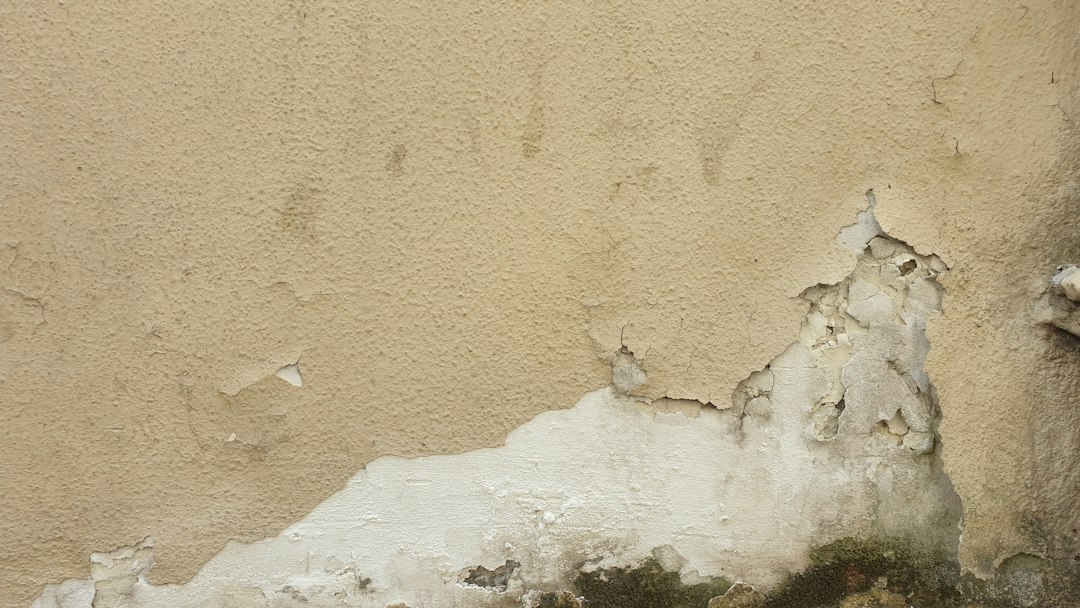
Mold does not need a long period of standing water to become a concern. When materials stay damp and conditions are favorable, mold can begin developing relatively quickly. That is why prompt water removal and drying are important after a leak, overflow, or flood.
After a leak or flood in your home, our guide to water damage restoration in Frisco explains where to start with cleanup and drying.
Why There Is No Exact Mold Growth Timer
The timing varies with moisture, temperature, material, airflow, and the type of mold present. A wet building does not produce the same result in every situation, so there is no single guaranteed number of hours for every property.
What Makes Conditions Favorable?
- Persistent moisture.
- High indoor humidity.
- Warm conditions.
- Porous materials that stay damp.
- Limited airflow.
Do Not Wait for a Musty Smell
A musty odor can be a warning sign, but relying on smell alone is not a good moisture check. Water can remain under floors or behind walls without producing an obvious odor at first.
What to Do After Water Damage
- Stop the water source when safe.
- Remove standing water promptly.
- Begin drying wet materials.
- Control indoor humidity.
- Check hidden areas for moisture.
Professional Moisture Detection
Moisture detection can help identify damp areas that are not obvious from a visual inspection. Finding those areas early gives you a better opportunity to complete drying before additional problems develop.
When Mold Is Already Visible
If visible mold is already present, the response should address both the affected material and the moisture source. Larger or difficult-to-access areas may require professional evaluation. Our mold removal service in Frisco is available for mold-related cleanup.
Final Takeaway
The safest approach is not to wait for a specific mold-growth deadline. Begin safe water removal and drying as soon as possible, and investigate hidden moisture when the damage is more than surface level.