
Sewage Cleanup in Frisco, TX — Emergency Biohazard Removal & Restoration
Sewage backup isn’t a cleanup job — it’s a biohazard emergency. Raw sewage soaks into drywall and flooring within minutes and carries pathogens that cause serious illness. Our IICRC-certified team responds 24/7.
- IICRC S500 Certified
- Full Biohazard PPE
- 24/7 Emergency Response
- EPA-Registered Treatments
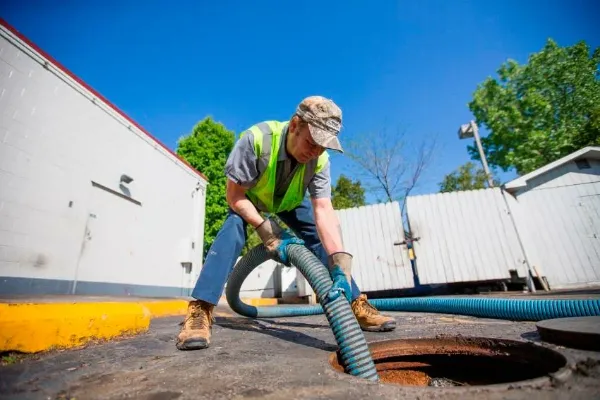
biohazard response
Is sewage backup actually dangerous?
Yes — it’s Category 3 “black water,” the highest contamination level. One milliliter of raw sewage can contain over a million bacteria, including E. coli and Salmonella. This isn’t a DIY job; it requires certified biohazard remediation.
S500The industry standard we follow on every job.
Why Sewage Backup Is the Most Dangerous Home Emergency
Most water damage is unpleasant. Sewage backup is dangerous — and it moves fast.
- 1Contains live pathogensBacteria, viruses, and parasites including E. coli, Salmonella, and Hepatitis A pose a real health risk.
- 2Wicks into materials fastCarpet, drywall, and insulation absorb contamination beneath the surface within minutes — surface cleaning doesn’t fix it.
- 3Mold follows within 24–48 hoursAny area that dries without proper treatment almost always develops mold inside walls and under floors.
- 4Spreads through the airDisturbing sewage without containment releases bioaerosols — airborne particles carrying live pathogens.
Frisco context: heavy spring storms, shifting clay soil, and a mix of older and newer sewer lines mean local homes face this risk more than most realize.
Common Causes of Sewage Backup in Frisco
Understanding the cause helps stop the next backup before it happens.
Clogged Sewer Lines
Grease, hair, and debris build up until sewage is forced backward through toilets and drains.
Tree Root Intrusion
Roots infiltrate pipe joints and cracks in Frisco’s mature neighborhoods, growing until flow stops.
Aging or Corroded Pipes
Older cast iron or Orangeburg lines corrode or degrade from the inside and fail without warning.
Heavy Rainfall & Storm Surge
Overwhelmed municipal lines can push sewage back through residential connections during storms.
Clay Soil Movement
North Texas clay expands and contracts, cracking underground sewer lines over time.
Non-Flushable Items
“Flushable” wipes and paper towels cause blockages that build slowly and fail suddenly.
What Sewage Exposure Can Do to Your Health
Property damage comes second. Sewage backup is a health emergency first.
Bacterial Pathogens
- E. coli — severe GI infection
- Salmonella — fever, dehydration
- Leptospira — can cause organ failure
- MRSA — resistant skin infections
Viral Contaminants
- Hepatitis A — attacks the liver
- Norovirus — severe vomiting & diarrhea
- Rotavirus — dangerous for kids & elderly
Bioaerosols & Mold
Disturbing sewage releases airborne particles carrying live pathogens. Moisture also drives mold growth within 24 to 48 hours.
Highest risk: children under 12, adults over 65, pregnant women, and anyone with a weakened immune system or respiratory condition should stay fully clear of the affected area.
Immediate Steps After a Sewage Backup
The first 30 minutes matter most.
Evacuate the area
Get people and pets out of the contaminated area and close doors to limit airborne spread.
Shut off the water
Stop using all plumbing fixtures — more water use adds pressure and worsens the backup.
Turn off the HVAC
Running it spreads airborne pathogens and spores to clean areas. Shut it off at the thermostat or breaker.
Cut power if needed
If sewage reached outlets or panels, don’t touch them — shut off the breaker for that zone.
Document everything
Photograph the source and all affected areas before cleanup begins, for your insurance claim.
Call a certified professional
Category 3 black water requires biohazard-trained technicians. DIY cleanup can void your coverage.
Our Sewage Cleanup Process, Step by Step
Every job follows the IICRC S500 standard — the industry’s protocol for Category 3 contaminated water.
Emergency assessment
Full PPE on arrival, then a complete damage assessment with moisture meters and thermal imaging.
Containment
Plastic barriers and negative air pressure isolate the affected zone. HVAC stays off throughout.
Sewage extraction
Industrial pumps remove standing water; waste is sealed and disposed of per Texas regulations.
Contaminated material removal
Porous materials that contacted black water — carpet, drywall, insulation — are removed and disposed of.
Antimicrobial treatment
EPA-registered biocides treat every remaining surface — far stronger than household bleach.
Structural drying
Industrial air movers and dehumidifiers bring moisture back to pre-loss levels, tracked in real time.
Deodorization
Hydroxyl generators and thermal fogging neutralize odor-causing compounds at the source, not just mask them.
Restoration & repairs
Drywall, flooring, and paint return the space to pre-loss condition.
Clearance testing
A final inspection confirms safe levels and provides a written report for your insurer.
Sewage Cleanup Cost in Frisco, TX
Costs vary by severity, area affected, and how long the sewage sat before cleanup began.
| Category | Service | Typical Cost |
|---|---|---|
| Inspection | Initial assessment, moisture mapping | $150 – $400 |
| Extraction & cleanup | Small backup (single bathroom/drain) | $2,000 – $4,000 |
| Moderate backup (multiple rooms) | $4,000 – $8,000 | |
| Severe backup (full floor/commercial) | $8,000 – $15,000+ | |
| Material removal | Drywall / carpet removal & disposal | $1 – $3 / sq ft |
| Subfloor replacement | $3 – $10 / sq ft | |
| Restoration | Minor to major repairs | $500 – $25,000+ |
Does insurance cover it? Many Texas policies require a separate sewage backup endorsement. Sudden, covered events like a burst pipe typically qualify; gradual neglect usually doesn’t.
Important: DIY cleanup attempts can void your coverage entirely — insurers require professional documentation for Category 3 claims.
Residential Sewage Cleanup
Most common in basement floor drains, ground-floor bathrooms, under kitchen sinks, and crawlspaces. Families can’t safely stay in a home with active contamination.
Commercial Sewage Cleanup
Restaurants, healthcare, childcare, and retail spaces face added liability and regulatory exposure, plus lost revenue for every hour closed.
DIY Sewage Cleanup — Why It Makes Things Worse
Household cleaners kill surface bacteria but don’t penetrate porous materials, and DIY attempts often spread contamination further.
DIY is only okay when…
- It’s Category 1 clean water (a broken supply line)
- The area is under 10 sq ft
- It’s caught within the first hour
- No sewage or drain backup is involved
Always call a pro when…
- Any toilet, drain, or sewer line backup occurs
- Contamination may be hidden inside wall cavities
- Cleanup would happen without full PPE or containment
- You want your insurance claim to stay valid
Sewage Backup Prevention for Frisco Homeowners
You can’t prevent every backup, but these steps cut your risk significantly.
Install a backwater valve
Lets sewage flow out but closes automatically if flow reverses during a municipal surge.
Annual sewer camera inspection
Spots root intrusion and cracks before they cause a full backup. $150–$350 versus a $5,000+ cleanup.
Never pour grease down the drain
Grease hardens in pipes and builds up layer by layer until the line blocks.
Only flush toilet paper
“Flushable” wipes and paper towels cause blockages in residential lines — no exceptions.
Maintain trees near sewer lines
Avoid planting large trees near lines; hydro-jet every 2–3 years if mature trees are already close.
Add sewage backup coverage
A $40–$100/year endorsement can save $5,000–$15,000 out of pocket on one backup event.
Why Choose Us for Sewage Cleanup in Frisco
Not every restoration company is equipped for Category 3 biohazard work.
IICRC S500 Certified
The industry’s definitive protocol for contaminated water remediation.
Full Biohazard PPE
Tyvek suits, respirators, and chemical-resistant gloves on every job.
Industrial Equipment
Truck-mounted extraction, HEPA scrubbers, and hydroxyl generators.
24/7 Response
We arrive within hours, with full insurance documentation support.
Standard we follow: the IICRC S500 Standard for Professional Water Damage Restoration.
Sewage Cleanup Questions, Answered
Tap a question to see the answer.
How fast does sewage contamination spread?
Sewage wicks into porous materials within minutes and mold growth begins within 24 to 48 hours. The longer it sits, the higher the remediation cost.
Can I stay in my home during sewage cleanup?
For small, well-contained backups in one sealed area, often yes. For larger backups affecting multiple rooms, relocating until clearance testing is usually recommended.
How long does sewage cleanup take?
Most residential jobs take 3 to 7 days from extraction to clearance. Larger restorations with structural repairs can take 1 to 3 weeks.
Does homeowner’s insurance cover sewage backup in Texas?
Coverage often requires a separate endorsement, not included in standard policies. Call your insurer as soon as the backup occurs and document everything.
What pathogens are in sewage water?
Bacteria like E. coli and Salmonella, viruses like Hepatitis A and Norovirus, and parasites like Giardia — all capable of causing serious illness.
Can sewage-affected drywall be saved?
No. Drywall is porous and absorbs contamination that can’t be cleaned out. It must be cut out and replaced.
How is this different from standard water damage restoration?
Standard restoration handles Category 1 and 2 water. Sewage cleanup is Category 3 biohazard remediation requiring extra training, PPE, and disposal protocols.
How do I know if my sewer line is at risk?
Watch for slow drains in multiple fixtures, gurgling sounds, sewage odors, or wet yard spots in dry weather — schedule a camera inspection at the first sign.
Serving Frisco & Nearby Communities
Frisco zip codes 75033, 75034, 75035, and 75036, plus The Colony, McKinney, Prosper, Little Elm, Plano, Celina, Allen, and Denton.
Related Water Damage Services
Sewage Backup in Frisco? Call Now.
Every minute counts. Don’t enter the affected area or attempt cleanup — a real person answers 24/7 and we aim to arrive within hours.
IICRC S500 certified · Serving Frisco & North Texas · Open 24 hours, 7 days a week