
What Can Be Saved After Flood Damage?
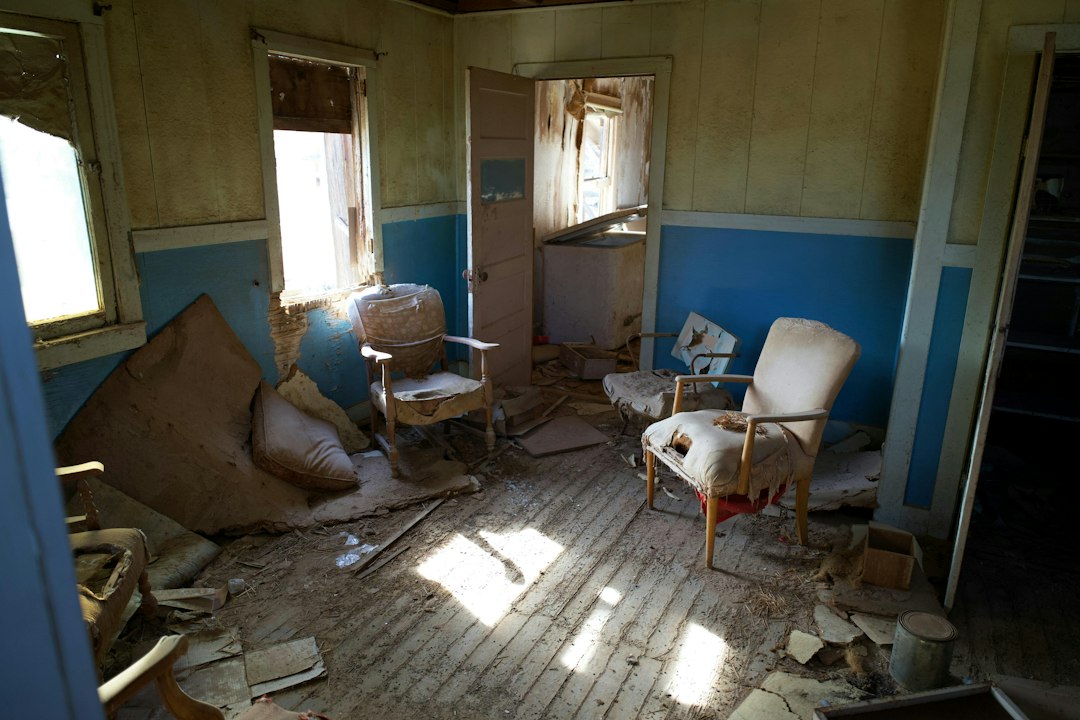
Flood damage can leave a home looking like everything has been ruined. Wet furniture, damaged flooring, soaked documents, and waterlogged belongings can make it difficult to know what should be thrown away and what may still be saved.
When floodwater affects a property, our Frisco water damage restoration team can help assess the damage and plan the next steps.
The good news is that not everything affected by flood water is automatically a total loss. Some belongings can often be cleaned, dried, disinfected, or professionally restored. The right decision depends on the type of flood water, how long the item stayed wet, the material it is made from, and how quickly cleanup begins.
If your Frisco, TX home has experienced flooding, knowing what can potentially be saved can help you avoid unnecessary replacement costs while protecting your family from contaminated materials.
Start With Safety Before Saving Belongings
Before handling anything affected by flooding, make sure the area is safe.
Flood water can contain sewage, bacteria, chemicals, debris, and other contaminants. Water may also create electrical hazards or weaken floors, ceilings, walls, and other parts of a home.
Do not enter standing water if electricity may be present. If you are unsure whether the property is safe, wait for qualified professionals to inspect it.
For information about immediate steps after water enters your home, see our guide on what to do in the first 24 hours after water damage.
What Determines Whether an Item Can Be Saved?
Several factors determine whether a flooded item can be restored.
1. What Type of Water Caused the Damage?
The source of the water is one of the most important considerations.
Clean water may come from certain supply-line leaks or other relatively uncontaminated sources.
Gray water may contain some contaminants and can create greater health concerns.
Black water is highly contaminated and may contain sewage, harmful microorganisms, chemicals, or other dangerous substances.
Belongings exposed to heavily contaminated flood water may not be safe to restore, especially porous materials that can absorb the water.
When the source of the flooding is unknown, it is safer to treat the water as potentially contaminated until it has been properly evaluated.
2. How Long Was the Item Wet?
Time matters. Materials that are dried quickly may have a better chance of being restored. As moisture remains trapped inside an item, the risk of mold growth, staining, swelling, odors, and structural deterioration increases.
This is especially important for materials such as wood, drywall, upholstery, carpeting, paper, cardboard, and mattresses.
Quick professional assessment can help determine whether an item should be restored or discarded.
3. What Is the Item Made Of?
Some materials tolerate water exposure better than others. Non-porous materials are generally easier to clean and disinfect. Porous materials can absorb contaminated water and may be much harder to restore safely.
Furniture: What May Be Salvaged?
Some furniture can potentially be saved after flood damage, but it depends heavily on the material and type of water involved.
Solid-Wood Furniture
Solid wood furniture may sometimes be restored if it has not been severely damaged or exposed to heavily contaminated water. Professionals may be able to remove excess moisture, dry the wood carefully, clean appropriate surfaces, treat odors, repair certain damaged components, and refinish the piece when appropriate.
Veneer and Pressboard Furniture
Furniture made from particleboard, MDF, or similar materials can be much harder to restore. Once these materials absorb significant amounts of water, they may swell, break apart, or lose structural strength.
Upholstered Furniture
Sofas, chairs, and other upholstered items require special attention because flood water can penetrate fabric, padding, foam, wood frames, springs, and internal materials. If upholstered furniture was exposed to contaminated flood water, professional evaluation is important before deciding whether it can be safely restored.
Can Carpets and Rugs Be Saved?
Sometimes, yes—but not always. The chances of saving carpet depend on the type of water, how long the carpet remained wet, and how deeply the water penetrated.
Carpet exposed to clean water may have a better chance of restoration when drying begins quickly. Flooding involving contaminated water presents a different situation because porous materials can retain contaminants.
Area rugs may have greater restoration potential depending on their material and value. High-value or specialty rugs should be evaluated by a professional restoration service.
Can Hardwood Floors Be Saved?
Flooded hardwood floors are not automatically ruined. Some hardwood flooring can be dried and restored, particularly when water exposure is limited and professional drying begins quickly.
Excessive moisture can cause cupping, buckling, warping, cracking, separation between boards, and mold growth. Moisture can also remain underneath flooring and inside subfloor materials even after the surface appears dry.
For related guidance, see our article on how to dry out a house after flooding in Frisco.
Can Drywall Be Saved?
Drywall is one of the materials that often needs careful evaluation after flooding. If drywall has absorbed contaminated flood water, sections may need to be removed.
Even when the visible surface looks acceptable, moisture can remain inside the wall cavity. This can create conditions for mold growth and further damage.
Can Appliances Be Saved?
Flood-damaged appliances should not simply be switched back on to see if they work. Water may reach electrical components, motors, wiring, insulation, or control boards.
Examples include refrigerators, washing machines, dryers, dishwashers, ovens, and HVAC equipment. An appliance exposed to flood water should be evaluated by a qualified professional before being used again.
Can Electronics Be Saved?
Some electronics may be salvageable, but flooding creates significant risks for electronic devices. Do not turn on a wet electronic device to test it. Disconnect power if it can be done safely and have the equipment evaluated by an appropriate professional.
Can Clothing and Shoes Be Saved?
Clothing, towels, blankets, and some washable fabrics may be salvageable depending on the type of flood water and the extent of contamination. Leather shoes and other specialty materials may require professional cleaning and restoration.
Can Important Documents Be Saved?
Water-damaged documents can sometimes be recovered, especially when action is taken quickly. Important items may include birth certificates, property records, insurance documents, photographs, family letters, business records, books, and tax documents.
Do not aggressively pull wet pages apart. Wet paper can tear very easily. Some documents may require specialized document drying or restoration techniques.
Can Photographs Be Saved?
Flooded photographs can sometimes be restored. If photographs are stuck together, forcing them apart can cause additional damage. Handle them carefully and avoid rubbing wet surfaces.
What Usually Needs to Be Thrown Away?
Some materials are much less likely to be safely restored after serious flooding. Depending on the circumstances, these may include severely contaminated mattresses, heavily saturated pillows, damaged carpet padding, waterlogged cardboard, severely swollen particleboard, materials with extensive mold growth, and items that have lost their structural integrity.
The decision should be based on safety, contamination, material condition, and the cost of restoration.
Don’t Judge an Item Only by Its Appearance
One of the biggest mistakes after a flood is assuming that an item is safe because it looks dry. Moisture can remain hidden inside walls, flooring, cabinets, furniture, upholstery, insulation, and subfloors.
Likewise, an item can look damaged but still be restorable. That is why professional assessment can be useful before you throw away valuable belongings or attempt to restore them yourself.
What Should You Do With Salvageable Items?
- Make sure the area is safe.
- Identify the source and type of water.
- Move salvageable belongings away from standing water when it is safe to do so.
- Keep wet items from remaining piled together.
- Document damage with photographs for your insurance claim.
- Avoid turning on wet electrical equipment.
- Contact a professional restoration company when the damage is extensive or contaminated.
- Follow professional recommendations for cleaning, drying, and disposal.
When Should You Call a Water Damage Restoration Professional?
Professional help is especially important when flooding involves contaminated water, extensive standing water, hidden moisture, structural materials, or possible mold growth.
A restoration professional can assess moisture levels, identify affected materials, remove water, establish proper drying conditions, and help determine which belongings may have a realistic chance of restoration.
If you are comparing restoration providers, our guide on how to choose a water damage restoration company in Frisco, TX can help you know what to look for.
Final Thoughts
Flood damage does not necessarily mean everything in your home must be replaced.
Some furniture, flooring, clothing, rugs, documents, photographs, and other belongings may be salvageable when the right steps are taken quickly. However, the type of flood water, material, duration of exposure, contamination, and condition of the item all matter.
When in doubt, do not risk your health just to save an item. Valuable belongings can be evaluated by restoration professionals, while heavily contaminated or structurally damaged materials may need to be discarded.
If your Frisco, TX property has experienced flooding, getting the water removed and affected materials evaluated as soon as possible can give salvageable belongings the best chance of recovery.