
Historic Places Around Frisco Tx
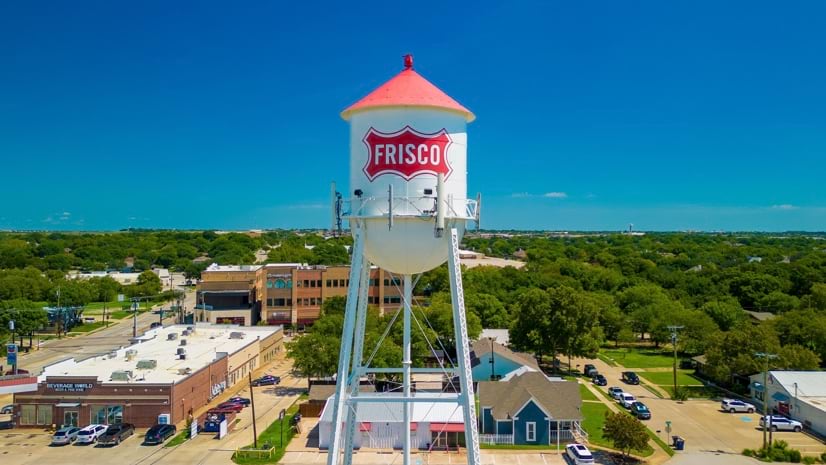
Whether you are a lifelong resident or a newcomer to the rapidly growing North Texas corridor, it is easy to see Frisco as a modern hub of sleek stadiums, tech headquarters, and luxury developments. However, beneath the polished glass and manicured suburbs lies a foundation built on the rugged spirit of the Blackland Prairie.
To understand Frisco is to look back to the late 1800s, when the arrival of the St. Louis-San Francisco Railway transformed a collection of small farming communities into a thriving center of commerce. Today, several historic sites and “living museums” allow us to step back into that era.
This guide explores the most significant historic places in and around Frisco, offering a deep dive into the architecture, stories, and people who built this city.
1. The Frisco Heritage Center: A Living Time Capsule
The Frisco Heritage Center (located at 6455 Page Street) is arguably the most critical destination for anyone looking to understand the city’s roots. This four-acre park is a curated collection of original and replicated buildings that represent the heartbeat of early Frisco life.
The Frisco Heritage Museum
The journey starts inside the 16,000-square-foot museum. Unlike traditional museums that can feel static, this space uses interactive exhibits and immersive storytelling. Highlights include:
- The Rails to North Texas: A dedicated exhibit by the Museum of the American Railroad explaining how the “Frisco” line gave the city its name.
- 1925 Model T: A beautifully maintained artifact from the era when the automobile began to challenge the locomotive’s dominance.
- The 1960s Living Room: A nostalgic exhibit that contrasts the pioneer days with the mid-century modern growth of the region.
The Heritage Village
Stepping outside the museum, you walk through a “village” that serves as a physical timeline of the late 19th and early 20th centuries.
- The Smith-Muse House (1905): A stunning example of a Prairie-style farmhouse. It was home to two of Frisco’s early prominent families and stands as a testament to the agricultural wealth of the time.
- The Crozier-Sickles Cabin (1895): This original log cabin gives visitors a visceral sense of how early settlers lived—vulnerable to the Texas elements but resilient in their craftsmanship.
- The Gaby’s Blacksmith Shop: A replica that honors the trade that kept the town’s horses shod and farming equipment functioning.
2. Lebanon Baptist Church: The Soul of a Lost Community
Before “Frisco” existed, there was Lebanon. Established in the 1840s, Lebanon was a thriving community located along the Preston Trail (a major cattle drive route). When the railroad bypassed Lebanon in 1902, the town effectively moved—literally. Residents loaded their homes and businesses onto logs and rolled them a few miles west to be near the tracks, forming the new town of Frisco.
The Lebanon Baptist Church, originally built in 1883, was one of the structures moved. Today, it sits restored at the Heritage Center. It is more than just a building; it represents the spiritual and social cohesion of the early settlers. Walking inside, you can still feel the “pioneer spirit” in the simple wooden pews and the classic steeple that once served as a landmark for miles across the flat prairie.
3. Historic Downtown Frisco (The Rail District)
While the Heritage Center preserves the past, Historic Downtown Frisco—now known as the Rail District—lives it every day. Located along Main Street between the Dallas Parkway and the old tracks, this area maintains the original street grid laid out over 120 years ago.
Architectural Heritage
Many of the brick buildings in the Rail District date back to the early 1900s. While they now house trendy boutiques and award-winning restaurants, the facades retain their historic charm.
- The Calaboose: Near the museum, you can find the original 1912 town jail. It’s a tiny, two-cell concrete structure that served as the primary law enforcement tool for decades.
- The Cotton Gin Sites: While the physical gins are largely gone, the Rail District marks where cotton—the “white gold” of North Texas—was processed and loaded onto trains.
4. The Museum of the American Railroad & TrainTopia
Frisco is one of the few places in the country that can claim a world-class collection of rolling stock. The Museum of the American Railroad moved to Frisco in 2011, bringing with it massive artifacts that define the American industrial age.
Highlights for History Buffs:
- “Big Boy” Locomotive: One of the largest steam locomotives ever built, symbolizing the sheer power of the rail era.
- The Santa Fe Collection: Includes historic Pullman cars that offer a glimpse into the luxury (and hierarchy) of early 20th-century travel.
- TrainTopia: A massive 2,500-square-foot model train exhibit that meticulously recreates landscapes from the 1950s, bridging the gap between historical fact and cultural memory.
5. Historic Sites Just Beyond Frisco
To get the full picture of Frisco’s history, one must look at the surrounding Collin and Denton County landmarks that shaped the regional economy.
The Collin County History Museum (McKinney)
Just a short drive east, this museum is housed in the beautifully preserved 1911 McKinney Post Office. It offers deep context on Collin McKinney (the namesake of the county) and features rotating exhibits on everything from Native American artifacts to World War II history.
The Texas State Railroad
While its main depots are a few hours south in Palestine and Rusk, Frisco residents often trace the history of the “official state railroad” because it shares the same DNA as the lines that birthed Frisco. If you want to experience a “moving” historic place, a trip to ride these vintage steam engines is the ultimate supplement to a day at the Frisco Heritage Museum.
Why Visiting These Places Matters
From an Expertise and Experience standpoint, understanding local history isn’t just about dates—it’s about the “Why.”
- Economic Context: Understanding the railroad explains why Frisco is a logistics and commerce powerhouse today.
- Cultural Continuity: Seeing the Lebanon Baptist Church explains the deep-rooted community and faith-based values that still permeate the city.
- Preservation Awareness: By visiting the Heritage Center, you support the Heritage Association of Frisco, a group of historians and volunteers dedicated to ensuring that as Frisco reaches for the future, it doesn’t lose its soul.
Tips for Your Historic Tour
- The Third Sunday Open House: The Frisco Heritage Center often hosts “Third Sunday” events where the historic homes are open for guided tours, and docents dress in period attire.
- Public Art Trail: Look for the “Ghost Train” sculpture near the tracks—a piece of public art that serves as a hauntingly beautiful reminder of the locomotives that used to thunder through the center of town.
- The Frisco Public Library: Now located in a converted rocket factory (the old Beal Bank building), the library itself is a feat of adaptive reuse, blending modern industrial history with cutting-edge education.
Conclusion
Frisco is a city that has mastered the art of the “pivot”—from a prairie outpost to a railroad hub, then a farming town, and finally a global sports and tech destination. By visiting these historic places, you aren’t just looking at old wood and rusted iron; you are witnessing the grit and vision that made Frisco the “City that could.”
Whether you’re standing in the quiet pews of Lebanon Church or gazing up at the massive wheels of a steam engine, you are connecting with a legacy of innovation and community that continues to define this North Texas gem.