
Overflowing Sink and Tub (Causes & Prevention) in Frisco Tx
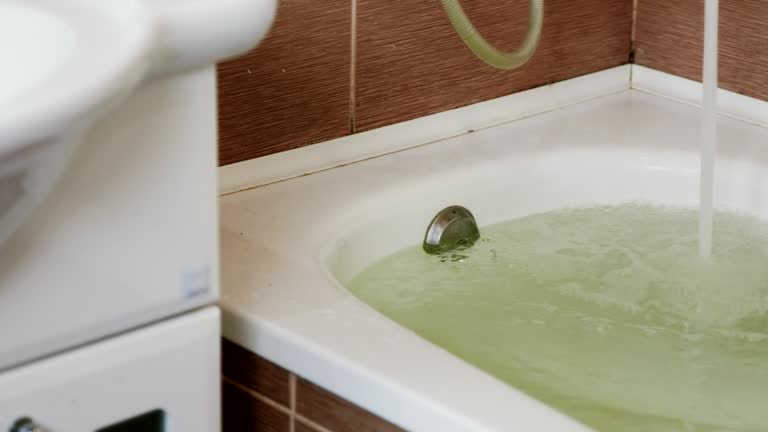
Few things trigger instant panic like the sound of splashing water where it shouldn’t be. Whether you’ve walked into a bathroom to find a “mini-lake” forming around the tub or discovered a kitchen sink that refuses to swallow its contents, an overflowing fixture is a plumbing emergency that demands immediate action.
Beyond the immediate mess, overflows can cause thousands of dollars in structural damage, mold growth, and electrical hazards. This guide breaks down why your fixtures are acting up and, more importantly, how to keep your home dry and stress-free.
1. Why Do Sinks and Tubs Overflow? (The Main Culprits)
An overflow usually occurs due to a combination of two things: a blockage and a source of water. However, the specific causes often differ depending on the fixture.
Common Causes for Sinks
- The “Fatberg” Effect: In kitchens, the primary villain is FOG (Fats, Oils, and Grease). When poured down the drain, they cool and solidify, trapping food particles and creating a waterproof “brick” in your pipes.
- Foreign Objects: From bottle caps to wedding rings, small items often fall into the basin and get stuck in the P-trap (the U-shaped pipe under the sink).
- Hair and Soap Scum: In bathrooms, hair binds with the sticky residue from bar soaps to create a thick, rope-like clog.
Common Causes for Bathtubs
- Accumulated Hair: This is the #1 cause of tub backups. Long strands wrap around the drain stopper and build up over months.
- Faulty Overflow Drains: Most tubs have an “overflow plate” (the silver disk near the top). If the gasket behind this plate is worn out or the pipe is disconnected, water won’t divert back into the drain system when the tub gets too full—it will simply leak into your walls or the floor below.
- Main Line Blockages: If your tub overflows when you flush the toilet or run the washing machine, the problem isn’t the tub—it’s a clog in your home’s main sewer line.
2. Immediate Steps: What to Do During an Overflow
If you are currently staring at rising water, stop reading and follow these steps immediately:
- Turn Off the Water: Find the shut-off valves (usually under the sink) and turn them clockwise. If the tub is overflowing and you can’t reach the faucet, turn off the main water shut-off valve for the entire house.
- Clear the Area: Move rugs, towels, and electronics away from the water.
- Contain the Spillage: Use a wet-dry vacuum if you have one. If not, sacrifice your oldest towels to create a perimeter.
- Don’t Use Chemical Cleaners: If the water is standing, pouring caustic chemicals into the pool is dangerous. It likely won’t reach the clog and will only create a basin of “acid water” that can burn your skin or damage your pipes.
3. How to Clear the Clog (DIY Solutions)
Once the immediate flood is contained, you can attempt to clear the path.
The Plunger Method
For sinks and tubs, use a cup plunger (the flat-bottomed one).
- Pro Tip: Block the overflow hole with a damp rag. This creates the vacuum seal necessary to force the clog out. If you don’t block the overflow, the air you’re pumping will just escape through that hole instead of pushing against the clog.
The Zip-It Tool
A plastic “drain snake” with small barbs is incredibly effective for bathroom sinks and tubs. It’s cheap, disposable, and excellent at pulling out hair masses without needing to disassemble the plumbing.
Baking Soda and Vinegar
For slow drains (not total blockages), try the natural route:
- Pour 1/2 cup of baking soda down the drain.
- Follow with 1/2 cup of white vinegar.
- Let it fizz for 15 minutes, then flush with a gallon of boiling water (Note: Do not use boiling water on PVC pipes; use hot tap water instead).
4. The Science of the “P-Trap”
Every sink and tub has a P-trap. Its job is to hold a small amount of water to prevent sewer gases from entering your home. However, gravity makes this the prime spot for clogs to settle.
When hair or grease builds up, the friction increases, slowing the water velocity until it reaches zero—resulting in an overflow. Periodically unscrewing the P-trap (put a bucket underneath first!) and cleaning it manually is the most effective way to prevent a major backup.
5. Proven Prevention Strategies
Prevention is significantly cheaper than restoration. Here is how to keep your pipes flowing:
For the Kitchen
- The “Cool and Trash” Rule: Never pour grease down the drain. Pour it into an old coffee can or glass jar, let it harden, and throw it in the trash.
- Scrape Your Plates: Even if you have a garbage disposal, it is not a trash can. Fibrous foods (celery, onion skins) and starches (pasta, rice) are notorious for causing overflows.
For the Bathroom
- Install Mesh Strainers: These are the single best investment you can make. A $5 mesh screen will catch 95% of hair before it ever enters your plumbing.
- Flush with Hot Water: Once a week, run the hot water at full blast for three minutes in every sink and tub to help move soap scum through the system.
Home Maintenance
- Check the Vent Stack: Sometimes, an overflow is caused by a blocked plumbing vent on your roof (often by bird nests or leaves). If air can’t get in, water can’t get out.
- Professional Inspection: If you live in an older home with galvanized or clay pipes, have a plumber perform a camera inspection every 2–3 years.
6. When to Call a Professional
Knowing when to put down the wrench can save you from a DIY disaster. You should call a licensed plumber if:
- Multiple Fixtures are Backed Up: This indicates a main sewer line issue.
- You Smell Sewage: This suggests a broken pipe or a deep-seated venting issue.
- The Water is “Black”: Standing water that is dark or contains debris from the sewer is a biohazard and requires professional remediation.
- The Overflow is Inside the Walls: If you see water stains on the ceiling below a bathroom, your tub’s overflow gasket or drain assembly has failed.
Summary Table: Prevention Checklist
| Feature | Action | Frequency |
| Kitchen Sink | Avoid FOG (Fats, Oils, Grease) | Every Use |
| Bathroom Sink/Tub | Clean hair from mesh strainers | Weekly |
| All Drains | Flush with hot water and baking soda | Monthly |
| Main Line | Professional camera inspection | Every 2-3 Years |
Final Thoughts
An overflowing sink or tub is more than just a nuisance; it’s a warning sign from your home’s “circulatory system.” By understanding the mechanics of your drains and implementing simple habits—like using mesh strainers and disposing of grease properly—you can avoid the stress of a midnight flood.
Remember: Your plumbing is designed to handle water and organic waste, not the rigors of modern chemical cleaners or heavy debris. Treat your pipes with respect, and they’ll keep your home dry for decades to come.