
The Hidden Health Effects of Mold Exposure in Frisco
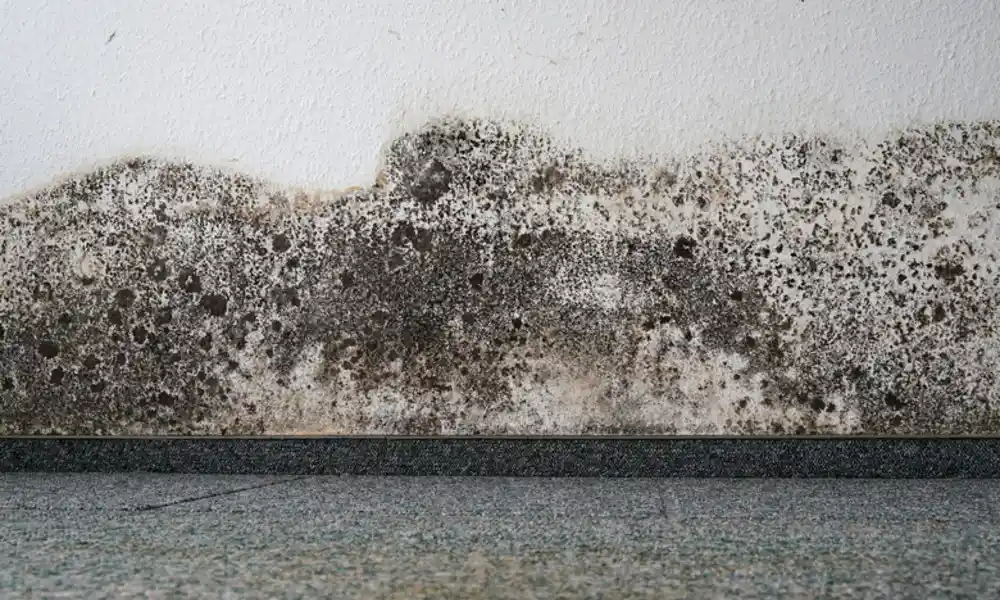
We’ve all seen it: that fuzzy green patch on a forgotten loaf of bread, or the dark, speckled staining in the corner of a damp bathroom shower. In nature, mold is a literal lifesaver. It breaks down organic matter, recycling nutrients back into the soil.
But when mold decides to move indoors and take up residence in your home, it transforms from an ecological hero into a silent health hazard.
Because mold often grows hidden away—behind drywall, beneath carpets, or inside HVAC systems—many people suffer from its side effects for months or even years without realizing the root cause. This comprehensive guide breaks down exactly how mold impacts your health, how to recognize the warning signs, and what you can do to reclaim your indoor air quality.
What is Mold, and Why Does It Grow Indoors?
Mold is a type of fungus that reproduces by releasing microscopic particles called spores into the air. These spores are constantly floating around us, both indoors and outdoors. They are completely harmless in small amounts.
However, mold spores are opportunistic. To survive and thrive, they only need three basic ingredients:
- Oxygen
- A food source (drywall, wood, carpet, ceiling tiles)
- Moisture
Since oxygen and organic materials are always present in a home, moisture is the ultimate trigger. Whether it’s a slow leak in a pipe under the kitchen sink, high humidity in a basement, or poor ventilation in a bathroom, excess water allows mold spores to settle, feed, and multiply rapidly.
How Mold Interacts With Your Body
To understand how mold makes you sick, it helps to understand how it enters your system. There are two primary ways your body interacts with indoor mold:
- Inhalation: When mold colonies are disturbed, they release millions of spores into the air. When you breathe, these tiny particles travel deep into your respiratory tract and lungs.
- Skin Contact: Direct physical contact with mold-infested surfaces can cause localized skin irritation or rashes.
Once inside or on the body, mold triggers health issues through three main mechanisms: allergens (which cause immune reactions), irritants (which inflame tissue), and in some specific cases, mycotoxins (toxic compounds produced by certain molds).
Common Health Effects of Mold Exposure
The way mold affects a person depends heavily on their overall health, genetics, and the duration of the exposure. Health effects are generally categorized into mild-to-moderate everyday symptoms and more severe, long-term complications.
1. Allergic Reactions (The Most Common Symptoms)
For the vast majority of people, mold acts as a potent allergen. If you have a mold allergy, your immune system views the inhaled spores as a dangerous threat and overreacts by releasing histamines.
This leads to symptoms that mimic a stubborn seasonal allergy or a “cold that never goes away,” including:
- Sneezing fits
- Runny or stuffy nose (nasal congestion)
- Itchy, watery, or red eyes
- Scratchy, sore throat
- Dry coughing and post-nasal drip
- Skin rashes or hives
2. Respiratory Irritation
Even if you aren’t technically allergic to mold, inhaling the compounds it releases can irritate the sensitive linings of your nose, throat, and lungs. This can cause a burning sensation in your airways, frequent coughing, and a general feeling of chest tightness.
3. Asthma Flare-Ups and Aggravation
For individuals living with asthma, mold is a notorious trigger. Exposure to mold spores can cause immediate inflammation of the airways, leading to:
- Severe wheezing
- Shortness of breath
- An increased need for rescue inhalers
- Full-blown, dangerous asthma attacks
Note: Research suggests that early childhood exposure to indoor mold may even contribute to the development of asthma in children who are genetically susceptible to it.
Severe and Long-Term Health Risks
While everyday allergies are frustrating, prolonged exposure to high volumes of mold—or exposure to specific toxigenic molds—can lead to more severe health conditions.
       [ Prolonged Mold Exposure ]
                   │
         ┌─────────┴─────────┐
         ▼                   ▼
[Chronic Infections]   [Toxic Reactions]
  (e.g., Aspergillosis)  (via Mycotoxins)
Chronic Sinus Infections
If your sinuses remain inflamed for months due to mold exposure, it can lead to chronic sinusitis. In rare cases, especially in individuals with compromised immune systems, the mold fungus can actually take root and grow inside the sinus cavities, requiring medical intervention.
Fungal Infections (Aspergillosis)
For individuals with severely weakened immune systems (such as those undergoing chemotherapy, living with HIV/AIDS, or taking immunosuppressive medications), certain molds like Aspergillus can cause a serious lung infection known as aspergillosis. This requires immediate targeted medical treatment.
Toxic Effects and “Black Mold”
You have likely heard warnings about “toxic black mold,” scientifically known as Stachybotrys chartarum. It is a dark greenish-black mold that grows on materials with high cellulose content (like fiberboard and drywall) that have been soaked for a long period.
This mold can produce compounds called mycotoxins. While the internet sometimes attributes extreme, unproven claims to black mold, verified medical science shows that high exposure to mycotoxins can cause:
- Chronic fatigue and severe exhaustion
- Persistent, throbbing headaches
- Dizziness and lightheadedness
- “Brain fog” or difficulty concentrating
Who is Most Vulnerable to Mold?
Mold doesn’t affect everyone equally. Two people living in the exact same mold-infested house might have completely different experiences; one may feel perfectly fine, while the other feels constantly ill.
The groups most vulnerable to mold-related health problems include:
- Infants and young children: Their respiratory systems and immune defenses are still developing.
- The elderly: Aging immune systems are less equipped to fight off respiratory irritants and fungal pathogens.
- Individuals with pre-existing respiratory conditions: People with asthma, chronic obstructive pulmonary disease (COPD), or severe allergies.
- Immuno-compromised individuals: Anyone with a weakened immune system due to illness or medication.
Spotting the Signs: Is Mold Hiding in Your Home?
Because mold can hide behind your walls or inside your floors, you need to rely on your senses to detect it. Look out for these three major warning signs:
1. The Musty Odor
Your nose is often your best detective. A persistent, earthy, wet, or musty smell—especially in spaces like basements, crawlspaces, or laundry rooms—is a definitive indicator that mold is actively growing somewhere nearby.
2. Visual Clues
Mold isn’t always black. It can appear as white, powdery streaks, fuzzy green patches, gray shading, or orange-brown speckles. Additionally, look for signs of water damage, such as water stains on ceilings, bubbling wallpaper, or warped wood.
3. Unexplained, Unresolved Health Symptoms
If you notice that your allergy or respiratory symptoms improve dramatically when you leave the house for work or vacation, but flare up the moment you return home, your living environment is likely the culprit.
Simple Steps to Control Mold and Protect Your Health
The golden rule of mold management is simple: To control mold, you must control moisture. Here are practical, actionable steps to keep your home dry and safe:
- Fix Leaks Immediately: Repair plumbing leaks, roof drips, or foundation cracks the moment you notice them. Don’t let standing water sit.
- Keep Humidity Low: Use air conditioners and dehumidifiers to keep your indoor humidity levels between 30% and 50% throughout the day.
- Ventilate High-Moisture Areas: Always run the exhaust fans in your bathroom during showers and in the kitchen while cooking. Leave them running for about 20 minutes after you finish.
- Clean Up Small Mold Quickly: If you catch a small patch of mold early (less than a 3-foot by 3-foot area), scrub it off hard surfaces using household detergent and water, or a commercial mold remover. Always wear a mask and gloves while cleaning.
- Know When to Call a Professional: If the mold covers a large area, results from sewage backup, or has deeply penetrated your walls and floors, do not try to clean it yourself. Hire a certified mold remediation specialist to safely remove it without spreading the spores throughout your home.
Final Thoughts
Mold exposure is a common but frequently misunderstood household issue. While it is rarely a sudden, life-threatening emergency, ignoring a chronic mold problem can gradually erode your health, your comfort, and your quality of life.
By staying vigilant, keeping your indoor humidity in check, and addressing water damage immediately, you can ensure that your home remains a safe, healthy sanctuary for you and your family. If you suspect your health is being impacted by mold, consult a healthcare provider, and take immediate steps to inspect your living space.