
Signs of Water Damage in Frisco Homes (And How to Spot Them Early)
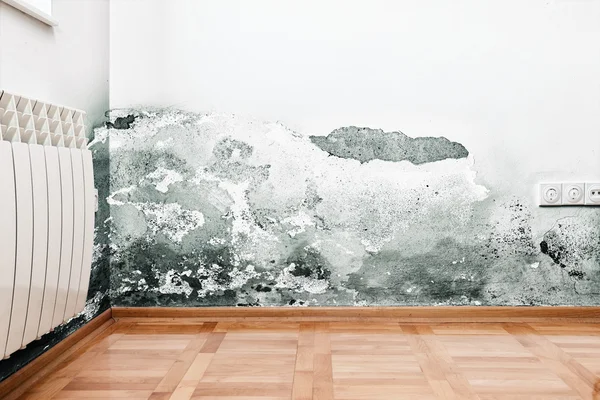
Frisco, Texas, is a fantastic place to live. From the bustling energy of The Star to our beautiful, sprawling suburban neighborhoods, it is no wonder families keep flocking here. But as local homeowners know, North Texas weather is anything but predictable. We bounce from blistering summer droughts that crack our clay soils to sudden, torrential spring downpours and freezing winter snaps.
While we often look for storm damage on our roofs after a hail event, there is a much quieter, more insidious threat that could be wreaking havoc inside your walls: hidden water damage.
Left unchecked, a slow leak can compromise your home’s structural integrity, ruin your indoor air quality, and cost thousands of dollars to repair. Because water follows the path of least resistance, the source of a leak is rarely where the puddle forms.
Here is a comprehensive guide to the subtle signs of hidden water damage in Frisco homes, why our local environment makes us susceptible, and what you should do if you suspect a problem.
Why Frisco Homes Are Uniquely Vulnerable to Water Damage
To catch water damage early, it helps to understand why our local homes are uniquely targeted by moisture issues.
- The Blackland Prairie Clay: Frisco sits on highly expansive clay soil. When it rains, this soil swells significantly; when it dries out, it shrinks and cracks. This constant shifting puts immense pressure on your home’s concrete slab foundation. Over time, foundation shifts can pinch, rub, or crack the copper or PEX water lines running beneath or through your slab, leading to notorious “slab leaks.”
- Rapid Temperature Swings: The Texas weather roller coaster means your pipes experience rapid expansion and contraction. Winter freezes (like the historic freezes we’ve seen in recent years) can weaken plumbing joints, causing tiny hairline fractures that don’t burst immediately but drip slowly over time.
- Humid Subtropical Climate: Our high humidity levels mean that once water escapes into a wall cavity or attic, it doesn’t dry out on its own. Instead, it creates a perfect, warm incubator for mold spores to thrive within 24 to 48 hours.
6 Subtle Signs of Hidden Water Damage
You don’t need a indoor swimming pool in your living room to have a water problem. In fact, the most dangerous leaks are the ones you can’t see. Keep your eyes, ears, and nose peeled for these six warning signs.
1. Unexplained Spikes in Your Water Bill
If your household routine hasn’t changed—you haven’t filled a swimming pool, hosted a houseful of guests, or cranked up the lawn sprinklers—but your City of Frisco water bill is climbing, you likely have a hidden leak.
Pro Tip (The Meter Test): Turn off every faucet, washing machine, and dishwasher in your house. Go out to your water meter box (usually near the curb) and check the leak indicator (often a small red or silver triangle or a digital reading). If it’s spinning or registering usage while everything inside is off, water is escaping somewhere in your system.
2. Changes in Wall and Ceiling Texture
Drywall acts like a giant sponge. When it absorbs water from a leaking pipe or a roof puncture, its structural integrity changes. Look closely at your walls and ceilings for:
- Peeling or Blistering Paint: Water prevents paint from adhering to drywall, causing it to bubble, bubble, or flake off.
- Wallpaper Separation: If wallpaper begins to lift or warp at the seams, moisture is likely trapped behind it.
- Sagging or Bowing Drywall: A ceiling that dips or a wall that feels soft and spongy to the touch is a major red flag that demands immediate professional attention before a collapse occurs.
3. Mysterious Discoloration and Stains
Water stains rarely look like bright blue puddles. Instead, look for persistent yellowish, tea-colored, or dark brown stains on your ceilings and walls. These stains often expand outward in concentric rings as the leak continues to drip and dry intermittently.
In Frisco homes with second stories, pay extra close attention to the ceilings directly underneath bathrooms, the laundry room, or your HVAC air handler (which can overflow if the condensate drain line gets clogged with Texas algae).
[Leaking Pipe/HVAC]
       │
       ▼
[Trapped Moisture] ──► [Saturated Drywall] ──► [Yellow/Brown Staining & Mold]
4. Buckling, Warping, or “Cupping” Floors
Whether you have gorgeous solid hardwood, engineered wood, or modern Luxury Vinyl Plank (LVP) flooring, water underneath will ruin it.
- Hardwood: Look for “cupping,” where the edges of the floorboards sit higher than the center, or “crowning,” where the center of the board bulges upward.
- LVP and Tile: Look for lifting planks, bouncy spots when you walk, or grout lines that suddenly look damp, cracked, or are crumbling away. This is a classic symptom of a slab leak pushing moisture upward through the concrete.
5. Musty, Earthy Odors That Won’t Go Away
Your nose is often a better detective than your eyes. If you walk into a spare bedroom, a closet, or open a cabinet under the sink and are hit with a stale, earthy, or musty smell, mold is already at work. Because mold requires dark, damp, and stagnant environments, it will happily grow behind your baseboards and insulation long before it breaks through the front of the drywall.
If your allergies or asthma symptoms suddenly flare up only when you are at home, airborne mold spores from a hidden leak could be the culprit.
6. The Sound of Running Water
When the house is completely quiet at night, listen closely. Do you hear a faint rushing, hissing, or dripping sound behind your walls or under the floorboards? If your toilets aren’t running and no appliances are on, you shouldn’t hear water moving. A constant hissing sound often points to a pinhole leak in a pressurized water line.
Common Trouble Spots in Frisco Properties
When doing a monthly walkthrough of your home, make sure to inspect these high-risk zones:
| Area | What to Look For |
| The Attic | Check around the HVAC drip pan. Ensure roof valleys and flashing around chimneys aren’t letting rain in. |
| Kitchen & Bathrooms | Look inside cabinets underneath sinks. Check for loose caulking around tubs, showers, and backsplashes. |
| The Garage | Inspect the area around your water heater. Look for rust at the base of the tank or moisture in the overflow pan. |
| Exterior Perimeter | Ensure your gutters are clear and downspouts direct water away from your foundation. Check outdoor spigots for drips. |
What to Do If You Suspect Hidden Water Damage
If you spot any of these signs, acting quickly can save you thousands of dollars in remediation costs and protect your family’s health.
- Shut Off the Water Source: If you locate a localized leak (like a valve under the sink), shut it off. If you suspect a major main line or slab leak, turn off the main water shut-off valve to the entire house.
- Document Everything: Take clear, well-lit photos and videos of the damage, stains, and any warped materials. This documentation is vital for your homeowners’ insurance claim.
- Call a Professional: Hidden water damage is not a DIY job. You will want to contact a licensed plumber with electronic leak detection equipment to find the exact source without tearing down random walls. Concurrently, contact a certified water damage restoration specialist to dry out the structure safely and handle any necessary mold mitigation.
Final Thoughts
Your Frisco home is likely your largest financial investment. While the threat of hidden water damage can feel overwhelming, staying vigilant and knowing what signs to look for puts the power back in your hands. Catching a leak when it’s just a tiny tea-colored spot on the ceiling is the difference between a quick, budget-friendly repair and a massive, disruptive home renovation.
Protect your foundation, your walls, and your family’s health by making a quick moisture check a part of your regular home maintenance routine!