
24/7 Emergency Response · Frisco, TX
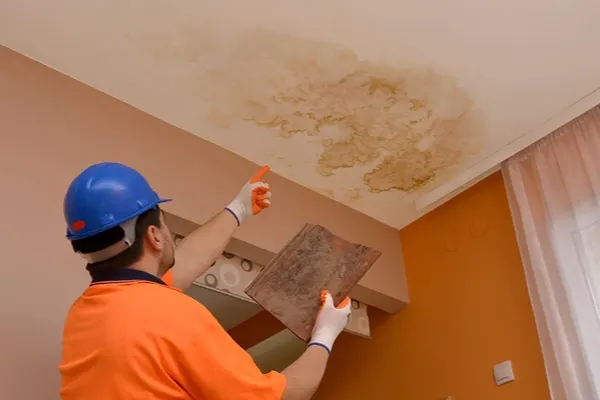
Ceiling Water Damage Repair in Frisco, TX
A wet ceiling can stain, sag, grow mold, or even fall. We stop the damage, dry the ceiling and the space above it, and tell you honestly what can stay and what has to go.
- IICRC Certified
- 60-Minute Response
- 24/7 Live Dispatch
- Direct Insurance Billing

response goal
Can a water-damaged ceiling be saved?
Sometimes. A ceiling with a light stain that is still firm and dries fast can often be sealed and painted. A ceiling that sags, feels soft, or stayed wet for days usually needs new drywall in the wet spot. We check with moisture meters and a thermal camera first, and we show you the readings before we decide. If the ceiling is bulging, stay out from under it and call us now.
Why a Wet Ceiling Is Worse Than It Looks
The stain you see is only where the water came out. Above it, the water has often spread much farther.
- 1
The drywallDrywall has a paper face that soaks up water. It gets soft, sags, and can fall when it holds too much weight.
- 2
The insulation and framingAttic insulation holds water like a sponge, and wood framing can stay damp for days. Wet insulation also stops insulating.
- 3
The wiring and lightsWater follows wires and pools in light fixtures and ceiling fans. That is why we treat every wet ceiling as an electrical risk until it is checked.
This is why a bucket and a coat of paint are not a fix. The surface can look fine while the space above is still wet. That trapped water leads to stains that come back, musty smells, and mold. So we measure moisture above and below the ceiling instead of going by looks.
Is water still pooled on the floor below? We start with water extraction, then move on to drying.
Where Is the Water Coming From?
We find the source first. If it keeps leaking, the ceiling will just get wet again. These are three common sources.
A Roof Leak
Where it comes from
Hail or wind damage to shingles, lifted flashing, or a worn roof. The water runs through the attic before it reaches the ceiling.
What it means for the ceiling
Roof water picks up dirt and insulation dust on the way, so we often treat it as gray water. The wet insulation usually has to come out. See roof leak and storm damage.
A Plumbing Leak Above
Where it comes from
An upstairs bathroom, a supply line, a water heater in the attic, or a burst pipe.
What it means for the ceiling
Clean water is the easiest to save when it is caught fast. Shut off the water first if you can. See burst pipe and leak detection.
An AC Drain Line
Where it comes from
A clogged AC drain line or a full drain pan can overflow above the ceiling. It happens in Texas summers, when the AC runs all day.
What it means for the ceiling
The water is often clean at first, but it can grow slime and bacteria if it sits, so we check it. Turn the AC off until the drain line is cleared.
Frisco note: North Texas gets hard spring storms with hail, long hot summers, and the odd hard freeze. Each one can end with a wet ceiling. We tell you what we find so you can call the right roofer, plumber, or AC tech to fix the source.
Signs of Ceiling Water Damage
Some signs mean call right now. Others are slower, but still need a look.
Call us right away if you see
- The ceiling sags, bulges, or hangs lower than before.
- Water is dripping or running from the ceiling.
- Water is near a light, a fan, or a smoke detector.
- The ceiling feels soft or crumbles when touched.
- The stain grows bigger over a day or two.
Slower signs that still need a look
- Yellow or brown rings or stains.
- Bubbling or peeling paint.
- A musty smell in the room or the room above.
- Dark or fuzzy spots that may be mold.
- Small cracks, or a ceiling seam that now shows.
An old stain may come from a leak that is already fixed. You cannot tell by looking, but a moisture reading can.
Can Your Ceiling Be Saved?
It depends on how much water got in, what kind of water it was, and how long it stayed. Here is what each case usually means.
Light Stain, Still Firm
What we see
The drywall is firm with no sag, and it dried fast after clean water.
What we usually do
We confirm it is fully dry. Then it can be sealed with a stain-blocking primer and repainted.
Soft or Sagging
What we see
The drywall is soft, bubbled, or sags.
What we usually do
The wet part is cut out and replaced, not the whole ceiling. Wet insulation above it comes out too.
Wet for Days, or Moldy
What we see
The water sat for days, it was dirty water, or mold has started.
What we usually do
Damaged drywall and insulation are removed and thrown away. Mold needs its own steps. See our mold removal service.
Good to know: painting over a wet ceiling only hides the problem. The stain comes back, and mold can grow behind the paint. Paint comes last, after the ceiling is truly dry.
How We Handle a Wet Ceiling, Step by Step
Every job is different, but we follow the same six steps. We explain each one as we go, so you always know what is happening in your home.
You call, we keep you safe
A real person answers. We ask what happened, where the water is, and whether it is near lights or outlets. Then we tell you what to do while we are on our way.
We protect your space
We check for electrical risk and cover your floors and belongings. If the ceiling is holding water, we drain it in a controlled way so it does not fall on anyone.
We find every wet spot
We use moisture meters and a thermal camera to trace the water above and beside the stain. We also look for the source. Learn more about moisture detection.
We remove water and wet material
We pull out standing water, then remove soaked drywall and insulation that cannot dry. Small openings in the ceiling help air reach the wet space above.
We dry the ceiling and what is above it
Air movers and dehumidifiers dry the ceiling, the insulation area, and the framing. We come back and take new readings until it is dry. See dehumidification and structural drying.
We hand you the records and a repair plan
You get photos, readings, and a clear list of what needs new drywall, texture, and paint. Your insurer may ask for these. Need help with a smell? See odor removal.
While You Wait for Us: Do This, Not That
A few smart moves in the first hour can limit the damage. A few common mistakes can make it worse or put you at risk.
Do this
- Move people and pets out from under a sagging or bulging ceiling.
- If water is near lights or outlets, turn off the power to that room at the breaker box. Only do this if you can reach it without standing in water.
- Put buckets or towels under active drips, and move furniture and electronics out of the way.
- If the leak is from a pipe, turn off the water at the main shutoff valve.
- Take photos and video of the damage before you move anything. Your insurance company will ask.
- Call us. We will guide you by phone.
Not this
- Do not stand under a bulging ceiling or try to push it back up.
- Do not turn on lights or ceiling fans in a room where water came through the ceiling.
- Do not poke a hole in a bulge yourself. Water can be sitting next to wires. Ask us first.
- Do not paint over the stain. It hides the problem and traps moisture.
- Do not scrape or sand a textured ceiling in a home built before 1980. It may contain asbestos and should be tested first.
- Do not wait a day to see if it dries. The mold clock is 24 to 48 hours.
Why Frisco Homeowners Choose WDR Frisco TX
You are letting a stranger into your home on a bad day. Here is what you can count on.
10+ Years in Frisco
We have helped homes and businesses across Frisco recover from water damage for more than ten years.
IICRC-Certified Technicians
Our technicians are trained and certified in water damage restoration. We follow the ANSI/IICRC S500 standard, the industry guide for this work.
Licensed, Bonded & Insured
We are locally owned, not a national chain. You deal with the people who do the work.
Plain Answers, Real Readings
We explain the plan and the cost before work starts. We take moisture readings on every visit, so you can see it is dry.
Sources we follow: the EPA guide A Brief Guide to Mold, Moisture, and Your Home and the IICRC S500 Standard for Professional Water Damage Restoration.
Does Insurance Cover a Wet Ceiling?
Most homeowners policies cover water damage that is sudden and accidental, like a burst pipe or a storm that damages the roof. Damage from a slow leak, or from a roof that was not kept up, is often not covered.
Every policy is different, so check yours or call your agent. We offer direct insurance billing, and we give you the photos, moisture readings, and records your adjuster needs. We are not your insurer, so we cannot promise what will be covered.
Renting, Condo, or Business?
If the leak comes from the unit above you, tell your landlord, property manager, or HOA right away, and take photos. If you run a business, a wet ceiling can mean lost hours and lost sales, so we work to keep downtime short.
See our commercial water damage service, or call us and tell us what happened.
Ceiling Water Damage Questions, Answered
Tap a question to see the answer.
Can a wet ceiling fall?
Yes. Water is heavy, and wet drywall loses strength. A ceiling that sags or bulges is a warning sign. Keep people and pets out from under it and call us right away.
How long does it take to dry a wet ceiling?
Most jobs take about three to five days of drying. It depends on how much water got in, how much insulation is above the ceiling, and the humidity in your home. We take readings on every visit, and we stop only when the ceiling and the space above it are truly dry. Rebuilding comes after that.
Can I just paint over the water stain?
Not until the ceiling is fully dry. Paint on a damp ceiling hides the stain for a while, then it bleeds through again. It can also trap moisture and help mold grow. A moisture reading tells you when it is safe to seal and paint.
How much does ceiling water damage repair cost?
The price depends on how large the wet area is, the type of water, how much drywall and insulation must be replaced, and what needs to be rebuilt. We do a free on-site assessment first. Then we explain the plan and the cost in plain words before any work starts.
Is it safe to stay in my home?
Often yes, but stay out of any room with a sagging ceiling, and do not use lights or fans where water came through. If water is near wiring, turn off power to that room at the breaker if you can do it safely. Call us and we will tell you what is safe based on what you describe.
Do you fix the roof or the pipe that caused the leak?
We dry and restore the water damage. Fixing the roof, the pipe, or the AC drain line is usually a job for a roofer, plumber, or HVAC tech. We tell you what we find and give you photos, so they know where to look. The source must be fixed, or the ceiling will get wet again.
How do I know if mold has started?
Look for a musty smell, dark or fuzzy spots on the ceiling or walls, and allergy-like symptoms that get worse at home. Mold can start within 24 to 48 hours. Do not scrub or spray it. Call us and we will check. See our mold removal service.
Will my insurance pay for it?
It depends on your policy and the cause. Sudden and accidental damage, like a burst pipe, is often covered. Slow leaks and poor upkeep often are not. We offer direct billing and provide the records your insurer needs.
What if the ceiling still smells after it dries?
A smell after drying usually means moisture is still hiding above the ceiling, or the source was not treated. Call us and we will find it. Our odor removal service can help.
Serving Every Frisco Neighborhood
Our crew works across all of Frisco, including Collin and Denton County sides of the city.
- Phillips Creek Ranch
- Frisco Lakes
- Heritage Lakes
- Chapel Creek
- The Trails
- Bella Casa
- Belmont Woods
- Cobb Hill Estates
- Christie Ranch
- See all areas
Related Water Damage Services
Wet Ceiling in Frisco? Call Now.
A real person answers 24/7. We aim to be at your door within 60 minutes, and the assessment is free.
10750 John W. Elliott Dr, Frisco, TX 75033 · Open 24 hours, 7 days a week