
Hardwood Floor Drying in Frisco, TX
Water on your wood floor? Every hour counts. Our IICRC-certified team arrives within 60 minutes, finds every wet board, and dries your floor before it cups, buckles, or grows mold.
- IICRC Certified
- Direct Insurance Billing
- Free Assessment
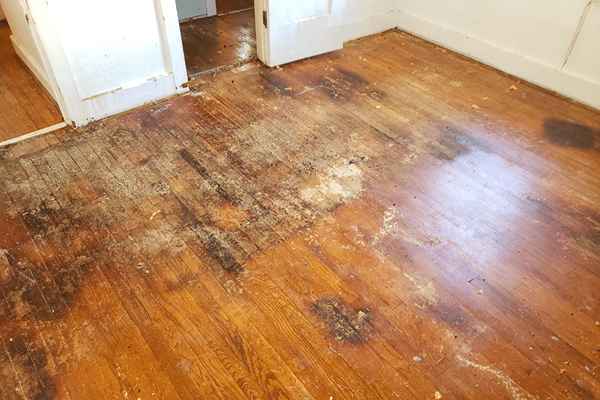
Wet Hardwood Can Often Be Saved, If You Act Fast
Wood soaks up water like a sponge. When a pipe leaks or a storm pushes rain inside, the boards drink it in from the seams and from below. They swell, then bend out of shape.
The good news is that many floors dry out and lie flat again when drying starts early. The key is to dry them slowly and safely, and to check the wood with a moisture meter, not just with your eyes. A floor can look dry on top and still be wet underneath.
This page explains what we do, what you can do right now, and how we decide if your floor should be dried or replaced. It comes from the water damage jobs our team handles in Frisco homes.
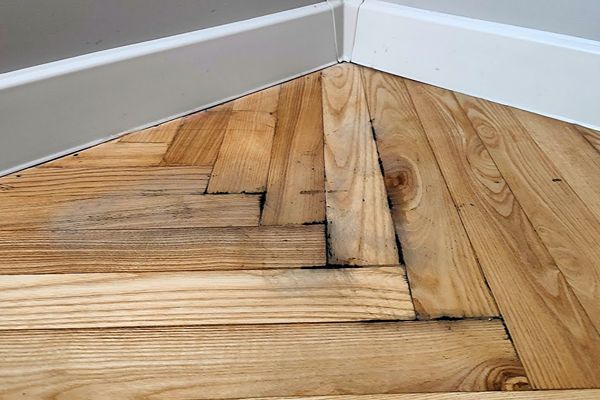
How Fast Does Hardwood Damage Set In?
Every floor is different, but this timeline is a good rule of thumb.
Best chance to save it
Water has not soaked deep yet. With fast drying, most floors can go back to normal with little or no lasting change.
Damage starts to show
Boards swell and the edges begin to cup. Mold can start on wet wood and the subfloor. The EPA advises drying water-damaged materials within 24 to 48 hours.
Replacement gets likely
Boards may buckle, the finish can peel, and mold can spread under the floor. Some or all of the wood may need to be replaced.
Not sure how long the water has been there? Call anyway. A quick moisture check is the only way to know for sure.
Signs Your Hardwood Floor Is Holding Water
If you see any of these, water may still be in the wood or under it.
Cupping
The edges of each board rise higher than the middle, like a shallow tray. This is the most common sign.
Crowning
The middle of each board rises higher than the edges. It can also happen when a cupped floor is sanded before it is fully dry.
Buckling
Boards lift up off the subfloor. This is the most serious sign. Call right away.
Gaps or tight seams
Boards swell when wet and shrink as they dry. That can leave gaps, or push the seams tight.
Dark spots or white haze
Water under the finish can leave dark patches or a cloudy white look.
Musty smell or soft feel
A damp smell, or a floor that feels soft or bouncy, often means water is trapped under the boards.
5 Safe Things to Do Before We Arrive
These simple steps protect you and your floor. Do only what feels safe.
Stop the water
Turn off the main water valve, or the valve to the leaking appliance.
Stay safe around power
Do not walk through standing water near outlets, cords, or appliances. If you can reach the breaker safely, turn off power to the wet area.
Take photos and video
Record the water, the floor, and any damaged items before anything is moved. Your insurance company will ask for these.
Soak up what you can
Use towels or a mop on surface water. Lift rugs and take small items off the floor. Do not drag heavy furniture across wet boards.
Skip the do-it-yourself drying tools
Do not use a household vacuum on water, and do not aim heaters or hair dryers at the floor. Fast, uneven heat can crack boards. Call us and we will guide you by phone.
How We Dry Your Hardwood Floor
We follow ANSI/IICRC S500, the industry standard for professional water damage work. Here is what happens, step by step.
You call and a real person answers
No voicemail and no waiting. We ask a few quick questions, tell you what to do right away, and send a technician. Expect us in about 60 minutes.
We find every wet board
We check the floor with moisture meters and a thermal camera. We also take a reading from a dry part of the same floor. That reading becomes our goal number. We map the wet areas and look for where the water came from. Our moisture detection service covers this in more detail.
We remove standing water
Surface water comes out first, so the wood stops soaking it up. If there is a lot of water, we use our water extraction service.
We set up the drying system
Drying mats or panels help pull water out of the boards. Air movers and dehumidifiers then take that moisture out of the room. If water is trapped under the floor or behind the baseboards, we may open small access points. We tell you before we do.
We check the floor every day
A technician comes back to take new readings, write them down, and adjust the equipment. We do not guess. The equipment stays until the numbers say the wood is dry.
We finish with a clear report
When the wood matches the dry goal, we remove the equipment. You get photos, moisture readings, and clear next steps: leave the floor as is, recoat it, refinish it, or replace a few boards. We never sand a floor that is still wet.
The Tools We Use, and Why
Each tool has one job. Together, they let us dry your floor without guessing.
| Tool | What it does for your floor |
|---|---|
| Moisture meters | Show how wet the wood is, board by board, and at different depths. |
| Thermal camera | Spots cool, wet areas under the finish so no wet spot is missed. |
| Hygrometer | Measures humidity and temperature in the room, so we can keep drying conditions safe for the wood. |
| Drying mats or panels | Help pull water out of the boards and from under the floor surface. |
| Air movers | Move air across the floor so water can leave the wood. |
| Dehumidifiers | Take water out of the air, so the wood keeps releasing moisture instead of taking it back in. |
Which Type of Floor Do You Have?
How a floor is built changes how it reacts to water, and how we dry it.
| Floor type | What water does | What to expect |
|---|---|---|
| Solid hardwood, nailed down | Boards swell and cup. Water can sit in the seams and the subfloor. | Often dried in place when caught early. |
| Engineered hardwood | Layers can separate, and the edges can swell. | Sometimes dries well. Planks that peel apart usually need to be replaced. |
| Glued to a concrete slab | Water gets trapped between the wood and the slab, and the glue can slow drying. | A few boards may need to be lifted so the area underneath can dry. |
| Floating floor | Water runs under the planks, and the pad can hold it. | Planks or underlayment often need to be lifted to dry properly. |
Not sure what you have? Our technician can tell you at the free assessment.
Dry It or Replace It?
We would rather tell you the truth than sell you a job that will not work. Here is how we decide.
Drying usually works when…
- The water is clean, such as a broken supply line, a sink overflow, or an appliance leak (IICRC Category 1).
- Drying starts within a day or two.
- Boards are only slightly cupped and still nailed or glued down.
- The subfloor can be dried too.
Replacement is more likely when…
- The water came from a sewage backup or flood water. It can carry germs, so wet flooring is often removed. See our sewage cleanup service.
- Boards have buckled or the layers have peeled apart. The National Wood Flooring Association (NWFA) says buckled flooring needs to be replaced where the buckling happened.
- The floor sat wet for many days, or mold is growing under it.
- The subfloor is soaked and will not dry.
We show you the photos and moisture readings first, so the decision is yours. If we cannot save your floor, we tell you up front.
What Makes Hardwood Floors Wet in Frisco Homes?
These are the sources we see most often. Fixing the source is just as important as drying the floor.
AC drain line overflow
Texas summers mean long AC run times. A clogged drain line can overflow slowly and soak the floor for days before anyone notices.
Water heater and appliance leaks
Water heaters, dishwashers, refrigerator ice-maker lines, and washer hoses are common causes.
Appliance leak cleanup →Slab and plumbing leaks
Many homes here sit on concrete slabs. A leak in a pipe under the slab can push water up into the floor above.
Leak detection and repair →Burst pipes
North Texas gets hard freezes. When a frozen pipe bursts, water can cover a floor in minutes.
Burst pipe cleanup →Storms and roof leaks
Wind-driven rain can get in through the roof, windows, and doors, then run down walls onto the floor.
Storm damage restoration →Flooding
Flood water is unsafe and needs special handling. Wood floors hit by flood water are often not worth saving.
Flood damage cleanup →Why Frisco Homeowners Call Us for Wet Floors
Drying a wood floor takes skill and patience. Here is what you can expect from us.
Trained and certified
Our technicians are IICRC certified and follow the ANSI/IICRC S500 water damage standard.
Local for 10+ years
We work in Frisco neighborhoods every day. We know the local homes, the slab foundations, and the weather that causes most floor damage here.
Proof, not promises
You get daily moisture readings, photos, and a written report. You can see exactly what we did and why.
Help with insurance
We document the damage, share records with your adjuster, and offer direct billing, so you have less paperwork to handle.
Honest advice
If your floor cannot be saved, we say so up front. We will not run equipment on a floor that cannot recover.
Always open
Live dispatch answers 24 hours a day, 7 days a week, including holidays.
Hardwood Floor Drying Across Frisco
We serve every Frisco neighborhood. Here are a few of the areas where we work often.
Hardwood Floor Drying FAQs
How long does hardwood floor drying take?
Many floors need about 3 to 7 days of drying. Small, clean-water leaks caught early can be quicker. Larger or older water damage can take longer. We check the floor every day and tell you when it is ready.
Can I dry a wet hardwood floor myself?
For a small spill that you wipe up right away, yes. For anything that soaked in, it is risky. Water hides under boards and in the subfloor, and without a moisture meter you cannot tell if the wood is truly dry. A floor that seems dry can still cup or grow mold later. A free check from us is a safer first step.
Do you have to pull up my floor?
Often, no. We try to dry the floor in place. Sometimes we remove baseboards or a few boards to reach trapped water. We explain why before we do it.
Will my floor need sanding or refinishing?
Not always. Some floors need nothing after drying. Others need a light recoat or a refinish. We never sand until the wood is fully dry and steady, because sanding too early can lock in problems like crowning. Boards that have buckled need to be replaced.
How much does hardwood floor drying cost?
The price depends on the size of the wet area, the type of floor, the type of water, and how many days of drying are needed. We give you a free assessment and explain the plan before any work starts.
Does insurance cover hardwood floor drying?
Insurance often covers sudden and accidental water damage, such as a burst pipe or a broken appliance line. Slow, long-term leaks are often not covered. Your policy makes the final call. We document everything and offer direct billing to your insurance company.
Is it safe to stay home while the floor dries?
With clean water, most families stay home. The equipment is loud and uses power, so expect some noise. If the water came from a sewage backup or flood, we may ask you to stay out of the area. Please avoid walking on wet floors, since it can damage soft boards.
How do you know the floor is really dry?
We compare readings on the wet floor with a reading from a dry part of the same floor. When they match, the wood is dry. You get the readings in writing.
What if I already see mold?
Tell us right away. We can check how far it has spread and plan the next step. We also offer mold removal.
Other Water Damage Services We Offer
Water Extraction
Fast removal of standing water to stop the spread.
Learn more →Moisture Detection
Thermal cameras and meters find hidden water.
Learn more →Structural Drying
Dry walls, subfloors, and framing after a leak.
Learn more →Dehumidification
Pull moisture from the air to protect your home.
Learn more →Mold Removal
Safe cleanup if water led to mold growth.
Learn more →Water Damage Repair
Rebuild damaged floors, walls, and ceilings.
Learn more →Wet Floor? Call Now. We Answer 24/7.
Our team is ready to check your floor and start drying. The free assessment comes with no obligation.
Sources and standards: ANSI/IICRC S500 Standard for Professional Water Damage Restoration; U.S. EPA, A Brief Guide to Mold, Moisture, and Your Home; National Wood Flooring Association.
Last updated September 2026. Written and reviewed by the WDR Frisco IICRC-certified restoration team. This page is general guidance. Every floor and every leak is different, so we confirm details on site.